

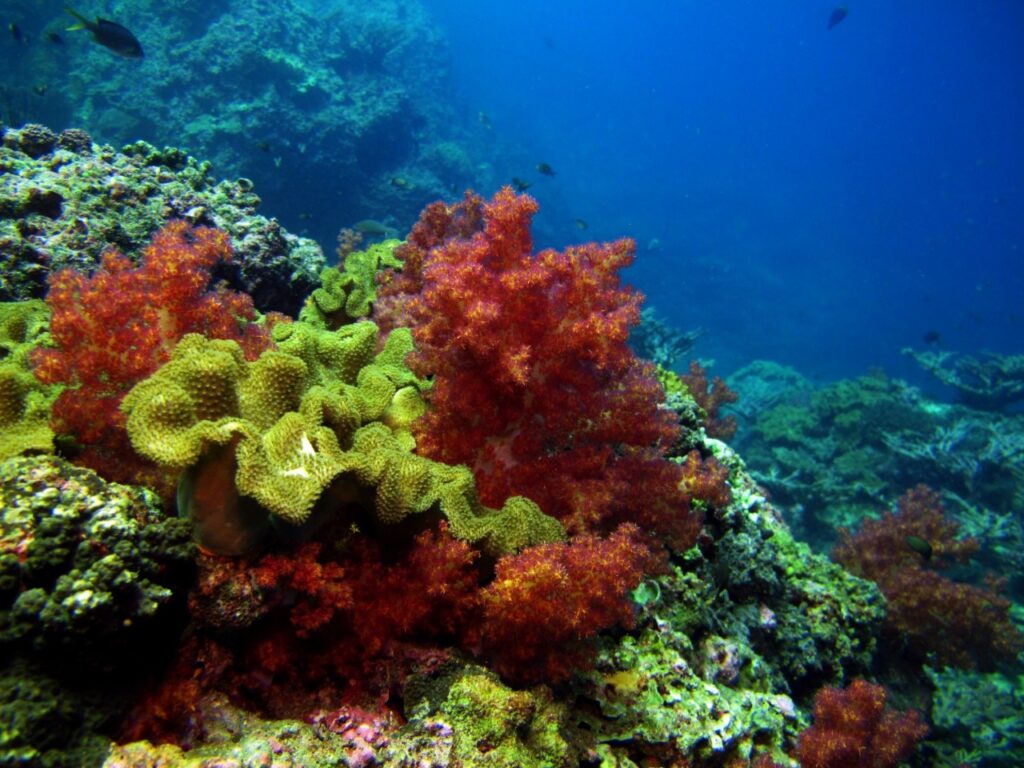
Muscat: The Sultanate of Oman is seeking to achieve integrated environmental, economic and tourism goals by investing in nature reserves. These reserves, numbering 30, cover a total area of nearly 15,000 square kilometres, with land reserves representing 17 percent of the area and marine reserves 10 percent.
Represented by the Environment Authority, the Sultanate is working in partnership with relevant authorities to preserve biodiversity and provide investment opportunities in protected areas, given their environmental and tourism significance. This is done by developing a management plan for the protected areas, ensuring the preservation of existing diversity and the provision of actual needs.
The Environment Authority is working to create tourism and economic activities that help diversify sources of income, support development programmes and expand nature reserves.
Towards this end, the Authority has signed nine contracts for environmental investment projects in seven nature reserves, with a total value of more than RO 44.
Read More
- Oman navy evacuates 25 crew after commercial vessel targeted off Musandam
- Three arrested in Oman over RO40,000 money-doubling scams
- More than 100 arrested in Muscat over labour, residency violations
- His Majesty Sultan Haitham to make state visits to China and Brunei from November 1
- SalamAir resumes direct Muscat–Beirut flights
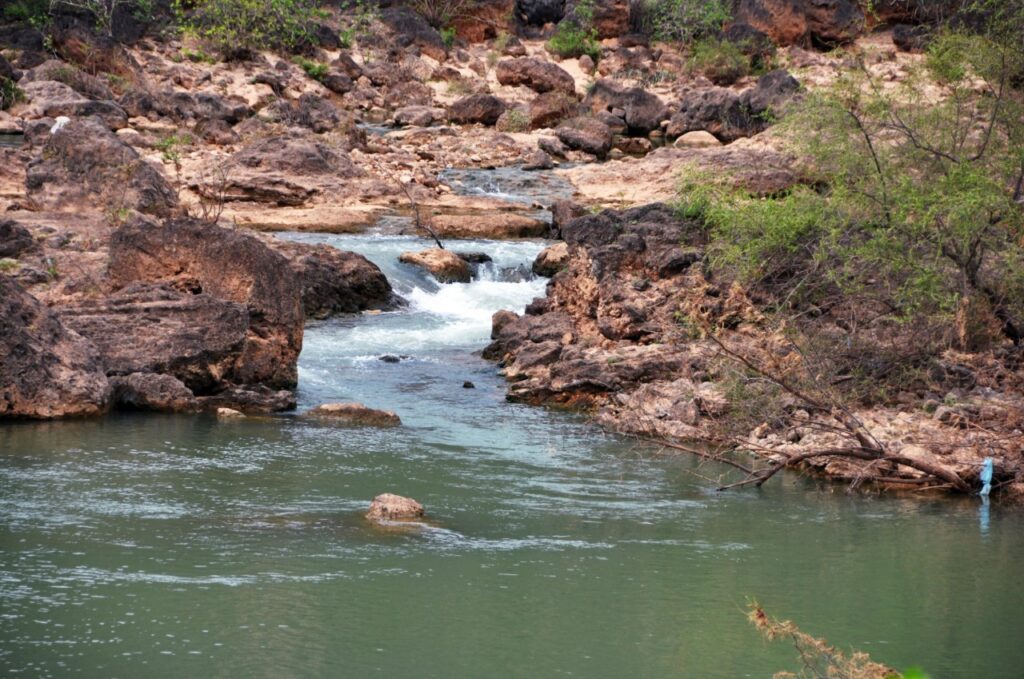
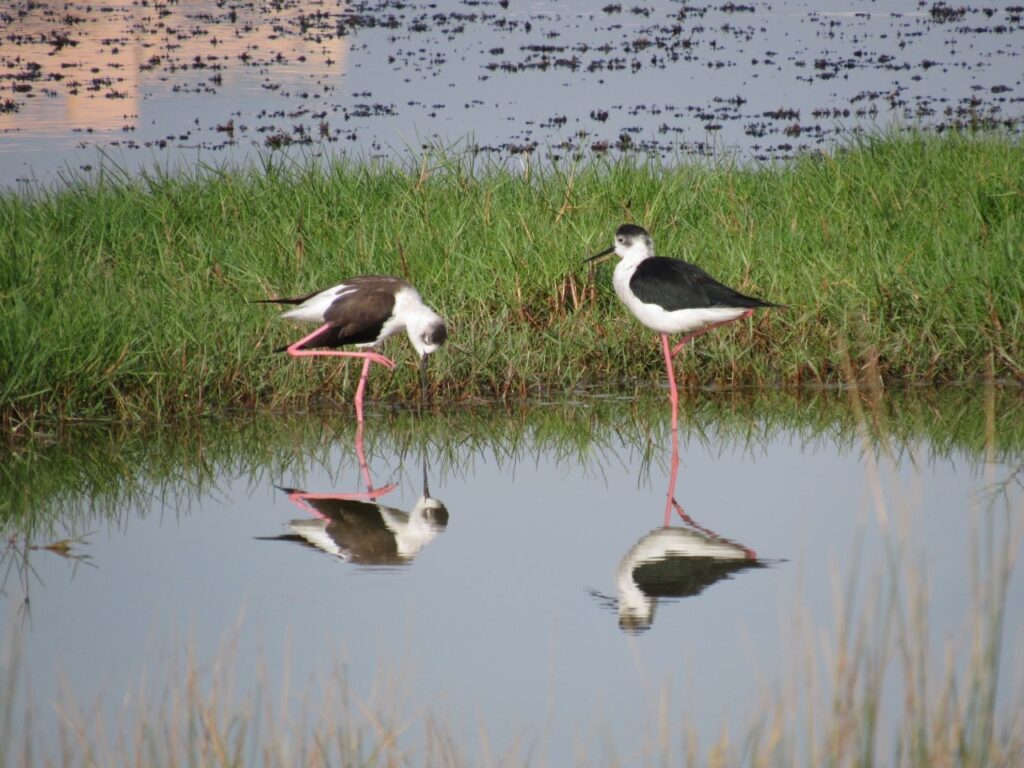
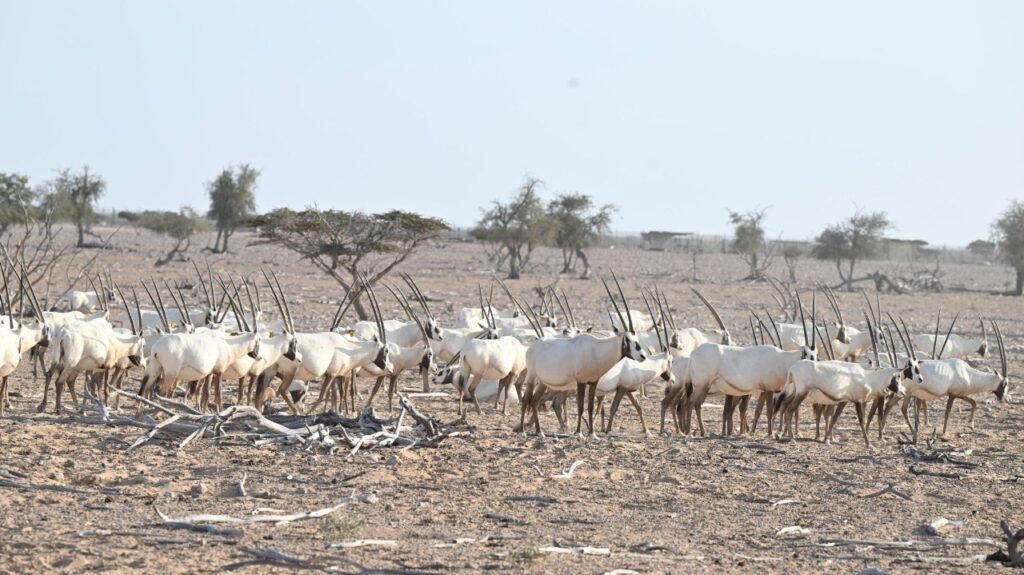
These projects aim to enhance sustainable development, protect ecosystems, promote tourism and environmental education, increase revenues, diversify sources of income, and ensure the sustainability of natural resources.
The agreements include the development, operation, and management of the Ras Al Shajar, Turtle, Oryx, and Wetlands nature reserves, the Lajshlion site in the Jabal Samhan Reserve, the Hayur site in the Wilayat of Mirbat, and the Khor Al Mughsail Reserve in the Wilayat of Salalah, as well as the establishment of an eco-tourism resort and a star park in the Jabal Al Gharbi Starlight Reserve.
The projects, located within protected areas in the Governorate of Muscat, Governorate of South Al Sharqiyah, Governorate of Al Wusta, Governorate of Al Dakhiliyah, and the Governorate of Dhofar, include eco-tourism resorts, star park, eco-lodges, eco-tourism camps, visitor centres, interactive exhibits, restaurants and cafes, viewing trails, safaris, adventure tourism in nature reserves, and an open sea turtle pond and lake.
It’s worth noting that the partnership in the field of ecotourism investment is part of the government’s initiatives to achieve integrated environmental, economic, social, and tourism goals. This will enhance Oman’s efforts in sustainable tourism and encourage tourism investment.





