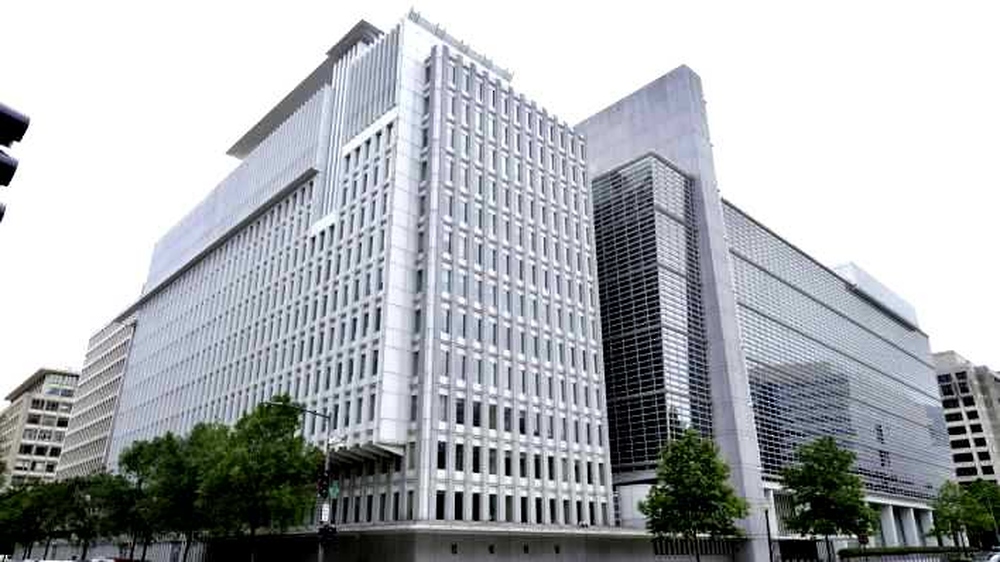

WASHINGTON: In a stark assessment of global investment trends, the World Bank revealed that FDI flows to developing countries have dropped to levels not seen since 2005, citing rising trade barriers, growing macroeconomic uncertainty, and heightened geopolitical tensions. Advanced economies fared even worse, receiving just $336 billion in FDI—their lowest since 1996.
The report attributes the steep decline in investment flows to a combination of global recessionary pressures and persistent economic uncertainty. “The erosion of foreign investment is leaving vast infrastructure gaps in developing countries and undermining global efforts to reduce poverty and fight climate change,” the report noted.
Read More
- Trump says he is ‘losing faith’ in Iran as nuclear talks continue
- Heavy rain batters India’s Kerala, killing at least four
- Keralam: Pathanamthitta gets 300 mm+ rainfall in 2 hours, administration on alert
- Macron thanks Australia, Lithuania for aid in combating wildfire in France
- Kuwait intercepts drones as IRGC claims strike on US base
FDI to developing countries represented just 2.3% of their GDP in 2023—nearly half the peak of 5% recorded in 2008. While flows to emerging markets surged in the early 2000s, they have steadily declined in recent years.
Trade growth, too, has slowed significantly, marking its weakest period since 2000. Economic uncertainty, meanwhile, has reached its highest level in over two decades, the Bank added. Over the past decade, advanced economies have been the primary sources of FDI to developing markets, accounting for nearly 90% of total flows.
Despite these challenges, three countries—China, India, and Brazil—together attracted nearly half of all FDI inflows to developing economies from 2012 to 2024.
The World Bank is calling for urgent policy reforms. It urged developing nations to reduce investment restrictions, enhance trade integration, and expand participation in the formal economy. It also emphasized the need for coordinated international efforts to channel FDI toward economies with the greatest development and climate resilience needs.
The report follows the World Bank’s recent move to slash its global growth forecast for 2025 by 0.4 percentage points to 2.3%, warning that rising tariffs and persistent instability threaten long-term economic momentum.
Looking ahead, the Bank highlighted that a 10% increase in FDI could potentially raise GDP in a developing economy by 0.3% over three years.





