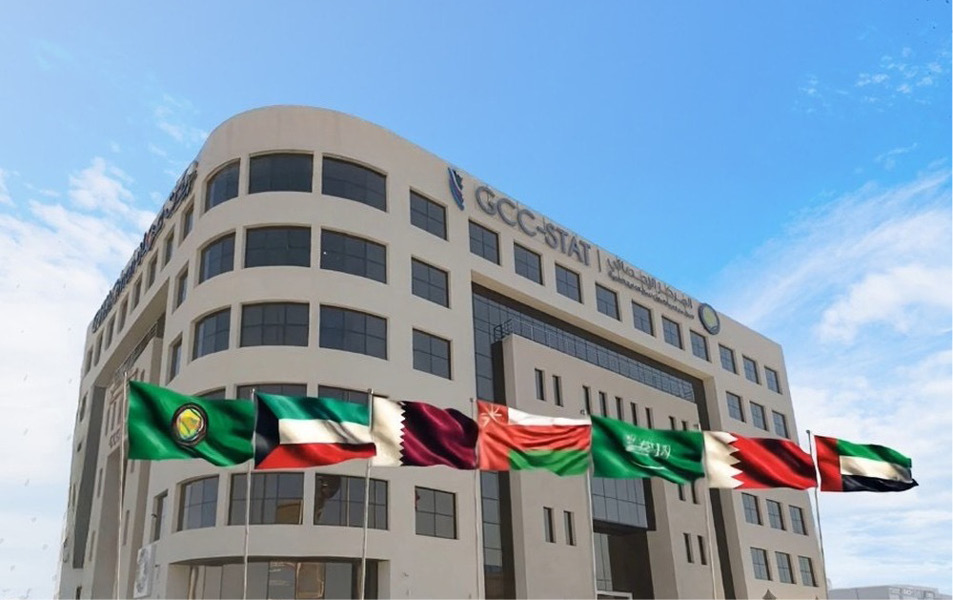

Muscat – According to data released by the Statistical Centre for the Cooperation Council for the Arab States of the Gulf, estimated government revenues amounted to approximately $487.8 billion, with an estimated deficit of $54.3 billion.
The data also indicates that government revenues in GCC countries are directly affected by global oil prices, as oil revenues constitute the largest share of financial resources.
Countries follow a conservative approach in calculating the break-even oil price to estimate their general budgets, avoiding international economic fluctuations and variations in global oil prices. Government revenues are expected to remain relatively stable, as oil prices remain at moderate to high levels.
Most GCC countries have also projected an increase in their spending in 2025 compared to their 2024 spending estimates. This increase is a determinant of growth in the GCC economies in general, and is directed towards completing infrastructure projects and stimulating growth in some economic sectors, to implement strategic development plans.
Meanwhile, GCC countries plan to finance budget deficits by drawing on reserves and borrowing domestically and abroad.
Read More
- ABM International School celebrates over a decade of National Academic Excellence
- Bank Muscat honoured for supporting Al Noor Association for the blind and empowering visually impaired persons
- Oil prices rise to $99 after attacks on Saudi Aramco facilities
- Bank Muscat and Meethaq Islamic Banking’s “Back to School” event draws strong family turnout at Muscat City Centre
- Oman’s trade surplus reaches RO 4.7 billion by end-June 2026





