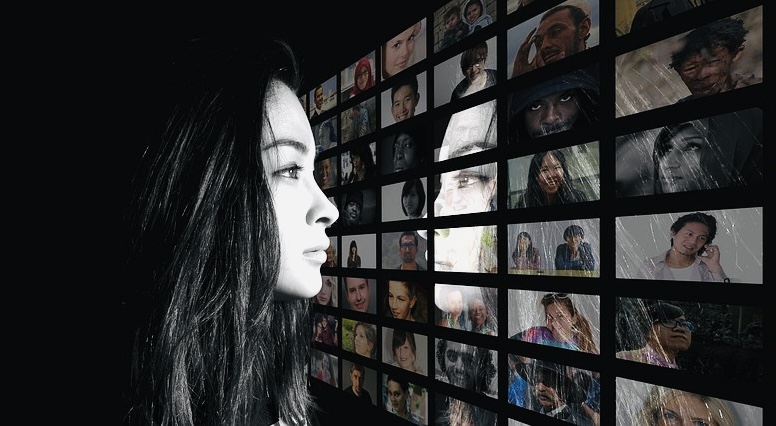

Today, social media is much more than a place to share photos, videos, or funny memes. Platforms like Instagram, Facebook, Twitter (now X), and TikTok have become important parts of our lives. They not only show what we do, but also reflect our beliefs, values, and how we judge right from wrong. But why has social media taken on such a moral role, and how does it shape our understanding of what is acceptable or not?
To understand this, we can view how social media as a “moral mirror”. It reflects how our ideas of right and wrong have changed, especially through psychological theories that explain human behaviour.
Let’s take a closer look.
Read More
- What Shakespeare knew about economics before economists did
- Respect is earned, not expected: Rethinking the teacher-student relationship
- Never underestimate a woman who enjoys her own company
- Rethinking schooling in the age of Artificial Intelligence
- Reeling from endless social media content? Pause the doomscroll, rewind to screen-free time
The Digital Self: Who We Are Online
In the past, people’s sense of right and wrong came from family, religion, schools, and community traditions. There were clear rules, and breaking them often led to punishment. Today, those rules are less clear, and social media plays a big role in that change.
Now, anyone can post their opinions, beliefs, and personal experiences for the whole world to see. Sometimes millions of people can see and react to what you post. This makes our online identity – how we show ourselves online – a big part of who we are.
According to psychologist Erik Erikson, identity formation — particularly during adolescence and early adulthood — is a critical stage of development. In the modern world, social media is a key part of that process. People use these platforms to create and explore their identity, often looking for approval and likes from others to feel accepted.
Take Instagram as an example. Many people only post their best moments – holidays, success, happy times with friends. They usually don’t show the boring or difficult parts of life. This is a type of “impression management”, a term by sociologist Erving Goffman. It means trying to control how others see you. Social media is like a stage, where we perform the version of ourselves that we think others will like.
Social Media and Morality
Social media doesn’t just show who we are; it also reflects what our society sees as good or bad. This is especially clear in movements like #BlackLivesMatter, #MeToo, and #ClimateChangeIsReal. These hashtags show what issues people care about and what is seen as morally important.
Psychologist Sigmund Freud had a theory that can help explain this. He said our mind has three parts: Id (our basic wants and desires), Superego (our moral conscience shaped by family and society) and Ego (the part that balances the two).
On social media, the superego is strong – we’re always trying to follow what society says is right or good. But at the same time, the ego wants us to express ourselves and gain attention. This creates a kind of “dance” between our own sense of right and wrong and the pressure to please others online.
Cancel Culture: A New Kind of Judgement
One clear example of this moral pressure is “cancel culture”. This happens when someone – often a celebrity – says or does something seen as wrong, and people online demand that they lose their job, platform, or support.
In some cases, this holds people accountable, especially for things like racism or sexism that were often ignored in the past. But cancel culture also raises tough questions: Can people learn and change from their mistakes? Or are they judged forever for one wrong action?
Often, social media doesn’t allow for much understanding or second chances. The “superego” – that inner judge – becomes harsh, and the crowd’s judgement can be quick and unforgiving. This can hurt people’s mental health and sense of self-worth.
Virtue Signalling Vs True Morality
Another important part of this “moral mirror” is virtue signalling. This is when people post something to show they care about a cause, but don’t take real action. For example, posting a black square during Black Lives Matter or tweeting “thoughts and prayers” after a tragedy.
These posts can help raise awareness, but they also raise a question: Do people really care, or are they just trying to look good?
From a psychoanalytic view, this can be a kind of narcissism – a way to feel better about ourselves by looking morally good in front of others. People enjoy the likes and praise they get for posting the “right” thing. Freud believed this was part of how people tried to build their self-image.
Conclusion
Social media has changed the way we think about ourselves and about what is right or wrong. It acts like a mirror, showing both who we are and what we believe as a society. It lets us express ourselves, but also pushes us to meet certain moral standards.
Sometimes, this is a good thing – helping us stand up for justice and call out bad behaviour. But it can also lead to harsh judgement, fake caring, and stress about how we’re seen online.
In the end, the challenge is this: Can we find a way to be real, kind, and morally strong – both online and offline?