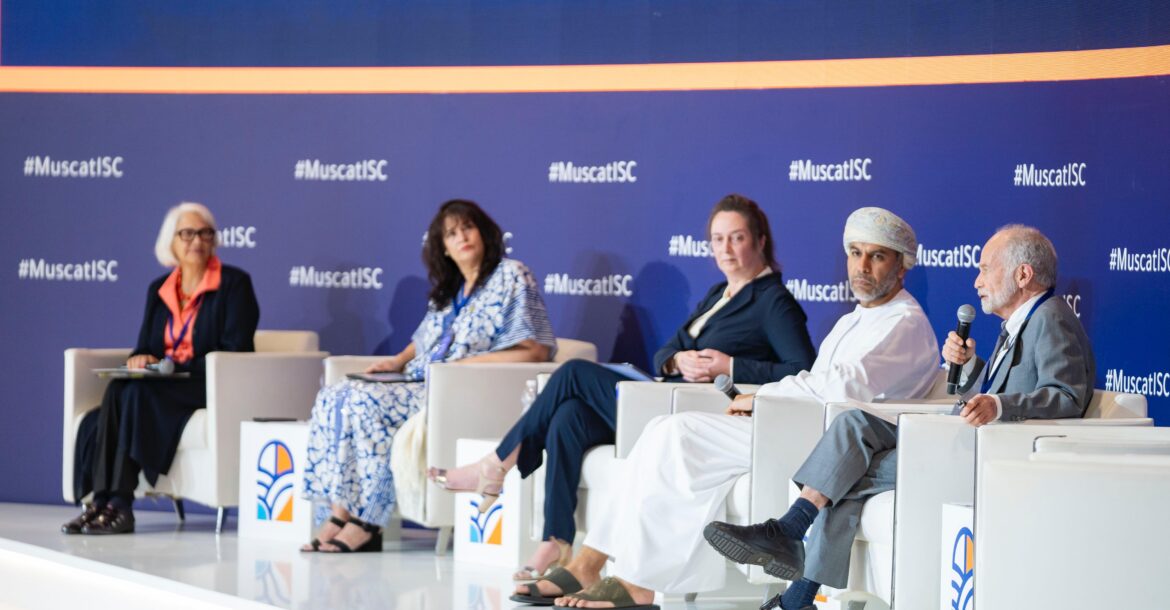

MUSCAT : The International Science Council (ISC) concluded its fourth Global Knowledge Dialogue (GKD) in Muscat, Oman, marking the end of an ambitious series of dialogues aimed at periodically considering key issues at the science-society and science-policy interfaces.
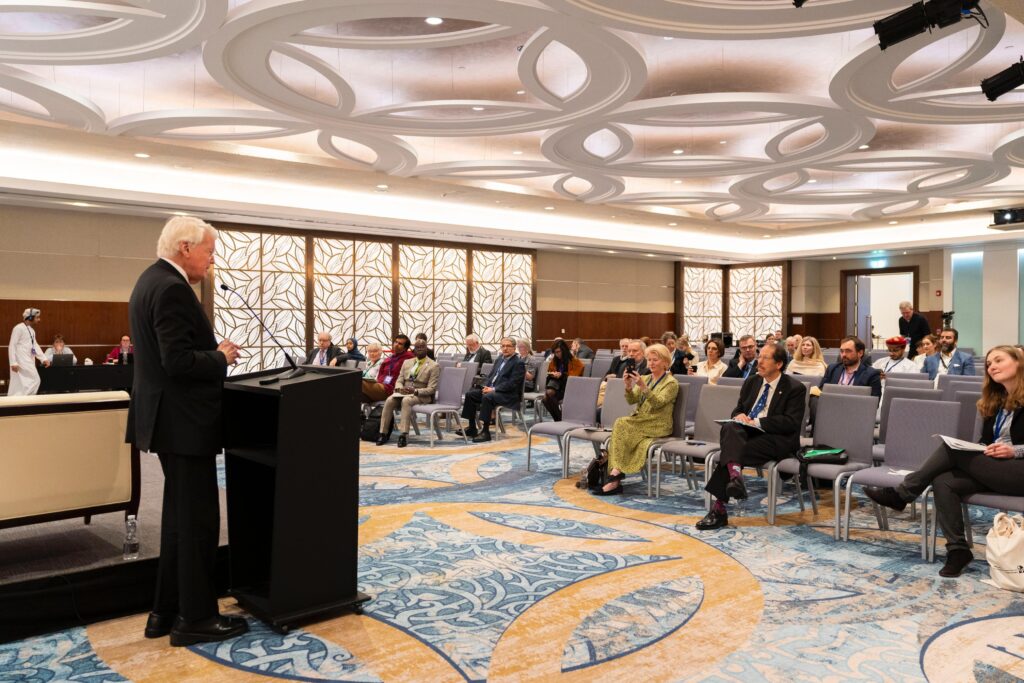
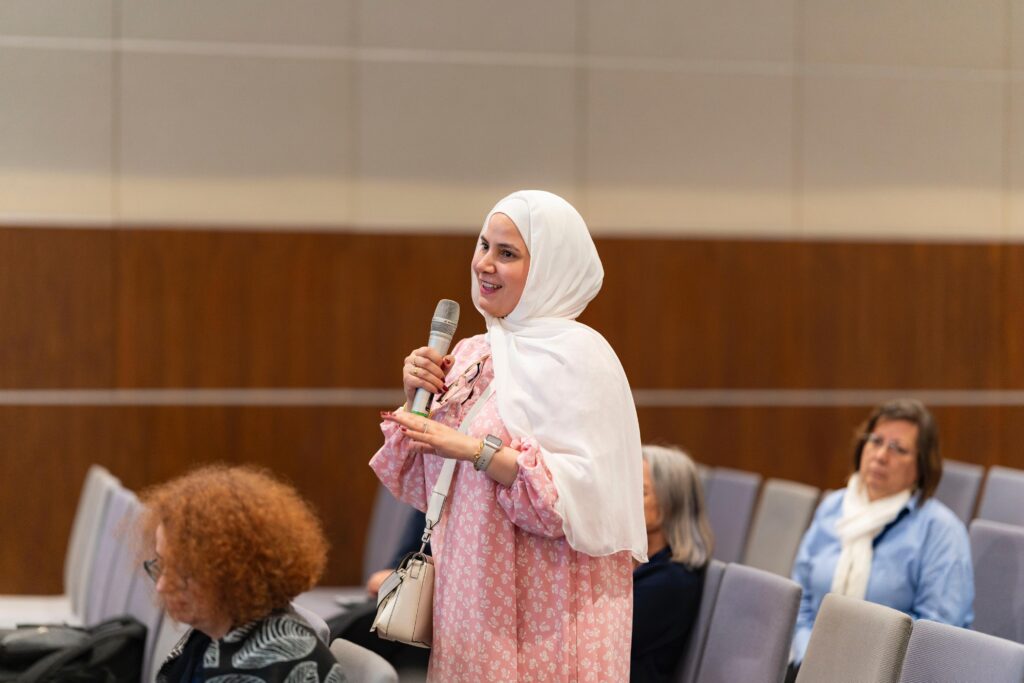
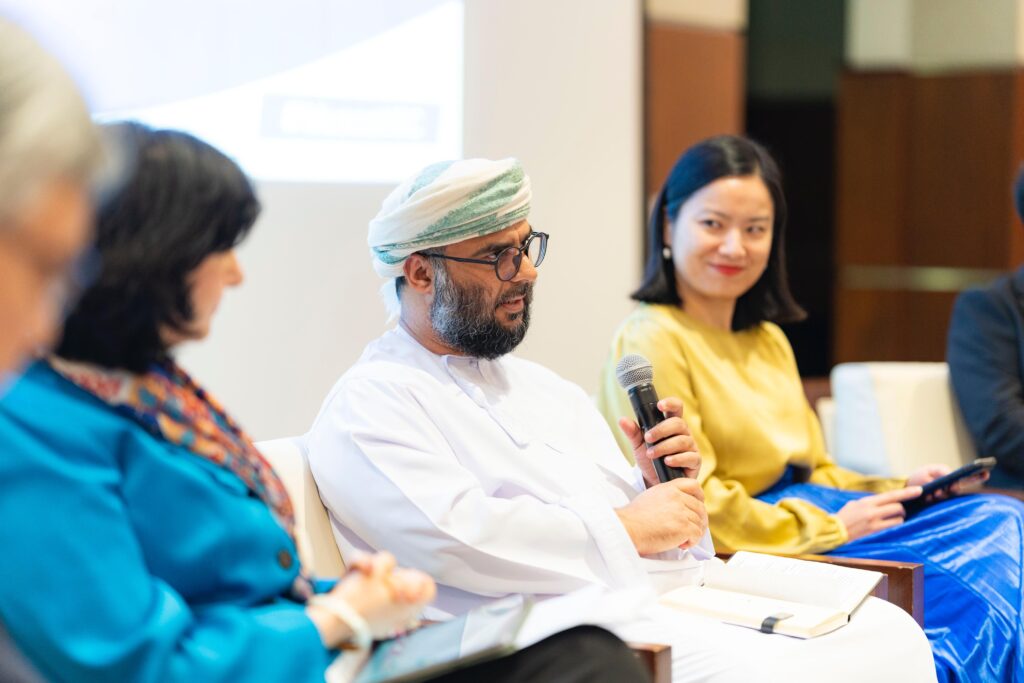
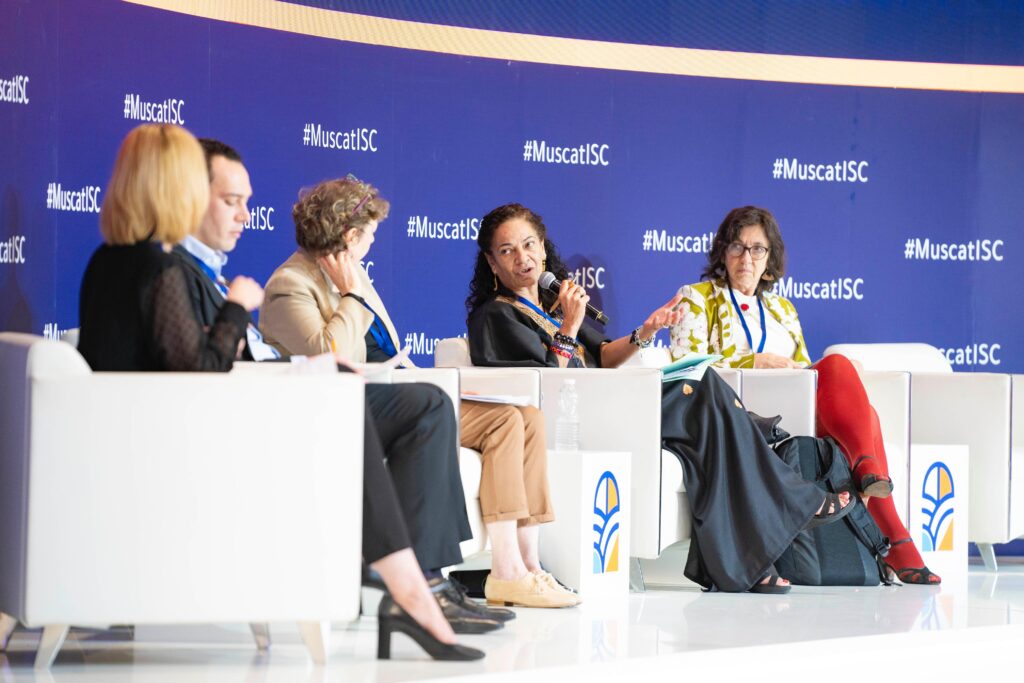
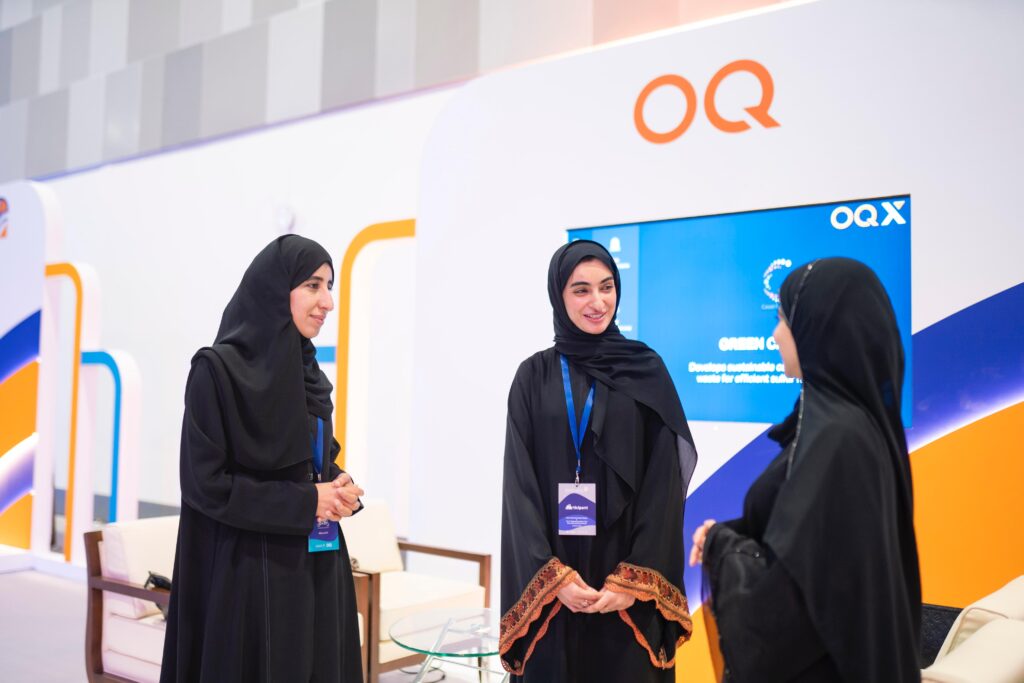
Hosted under the patronage of His Highness Sayyid Asaad bin Tariq Al Said, the Muscat GKD gathered over 415 representatives from ISC Members across 132 countries for two days of discussions on science priorities in advancing sustainability and global development.
The event’s closing ceremony was presided over by H.E. Saif Al-Hiddabi, Undersecretary of Research and Innovation of the Sultanate of Oman, who reflected on the profound impact of the Dialogue:
Read More
- Alizz Islamic Bank awarded by World Union of Arab Banks ‘Best Transformation in Islamic Banking in Oman 2026’
- Omani Brand AMTUR Gold & Diamonds expands to Qatar with opening of 14th branch
- Development Bank Sustainability expert joins Duqm Summer Podcast Series
- Oman refinery output falls 3.7% to 129 million barrels
- GCC stock trading rises 19.5% as markets record $618 billion in deals
Over these three days, we have addressed a wide range of issues, from artificial intelligence to trust in science, and from just transformations to sustainability, laying the groundwork for meaningful cooperation. Science thrives on collaboration, and our dialogue does not end here but continues with the establishment of the regional office in Oman.
Sir Peter Gluckman, President of the ISC, highlighted the outcomes of the Dialogue and the collective responsibility of the global scientific community:
The Muscat Global Knowledge Dialogue has demonstrated the importance of international scientific collaboration in addressing the world’s most pressing issues. By building a shared vision for the future of science, we strengthen our collective ability to advance sustainable development and improve lives globally. The Muscat Declaration, adopted today, underscores our shared vision and reaffirms our commitment to leveraging science for the benefit of all.
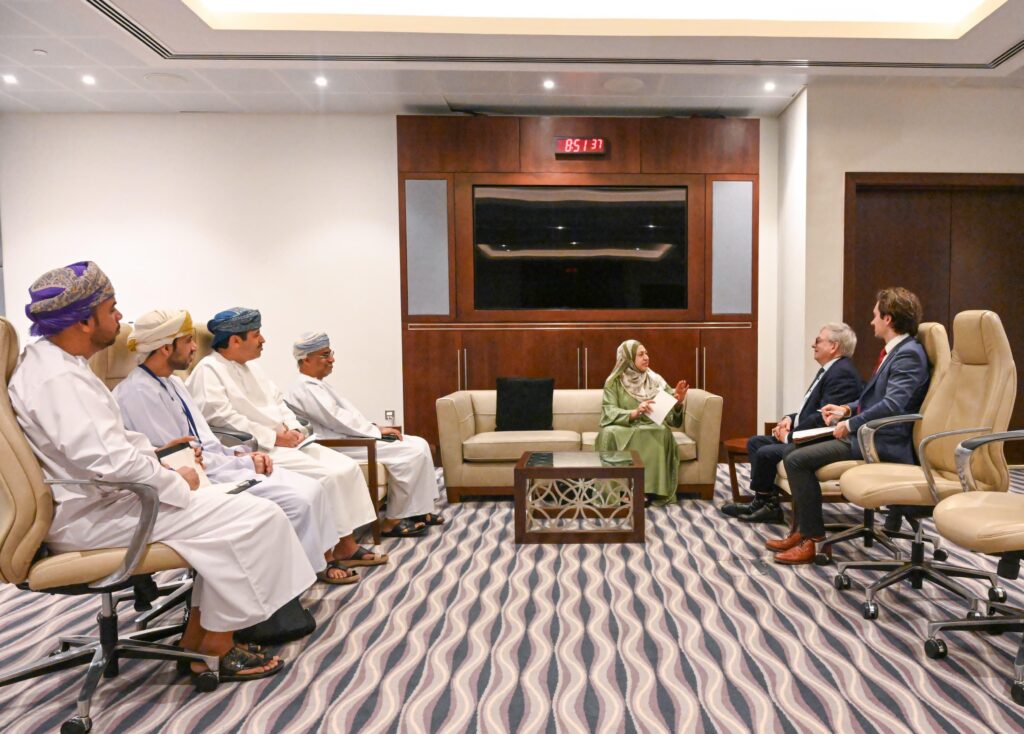
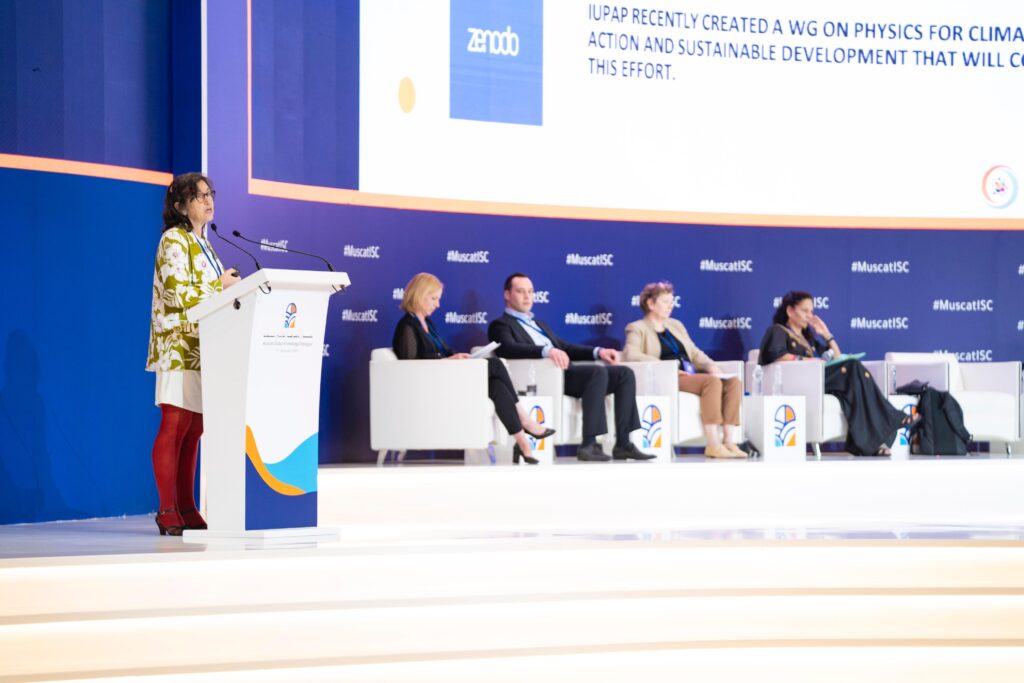
Adoption of the Muscat Declaration on Global Science
The adoption of the Muscat Declaration marked a significant milestone in the Dialogue. In this Declaration, the participants call upon scientists and other stakeholders to take an active role in addressing pressing challenges and advancing the role of science as a global public good.
The Declaration emphasizes the need to:
- Defend and promote the free and responsible practice of science, ensuring cross-border collaboration even during times of crisis.
- Support under-resourced regions by investing in capacity-building initiatives and promoting equitable access to scientific knowledge.
- Stimulate international, inter- and transdisciplinary collaborations to tackle global concerns, including sustainability, inequality, and emerging technologies.
- Advance the transformation of science systems to enhance transparency, inclusion, and integrity, while equipping future scientists with tools to address complex societal challenges.
The Declaration also calls for the integration of science into global policy frameworks and underscores the importance of fostering trust in scientific institutions through transparency and ethical practices. These actionable statements will guide the ISC’s future work and inspire collective efforts to harness science for peace, sustainability, and human and planetary well-being.
Engaging discussions and key themes
Over the course of the Dialogue, participants explored critical topics across three key themes:
- Science systems and science futures – Examining emerging technologies such as AI, open science practices, research assessment, and transdisciplinary approaches.
- Science and just transformations to sustainability – Discussing the role of science in enabling equitable and sustainable societal transformations.
- Science and society – Addressing trust in science, science diplomacy, and the importance of equality and social cohesion.
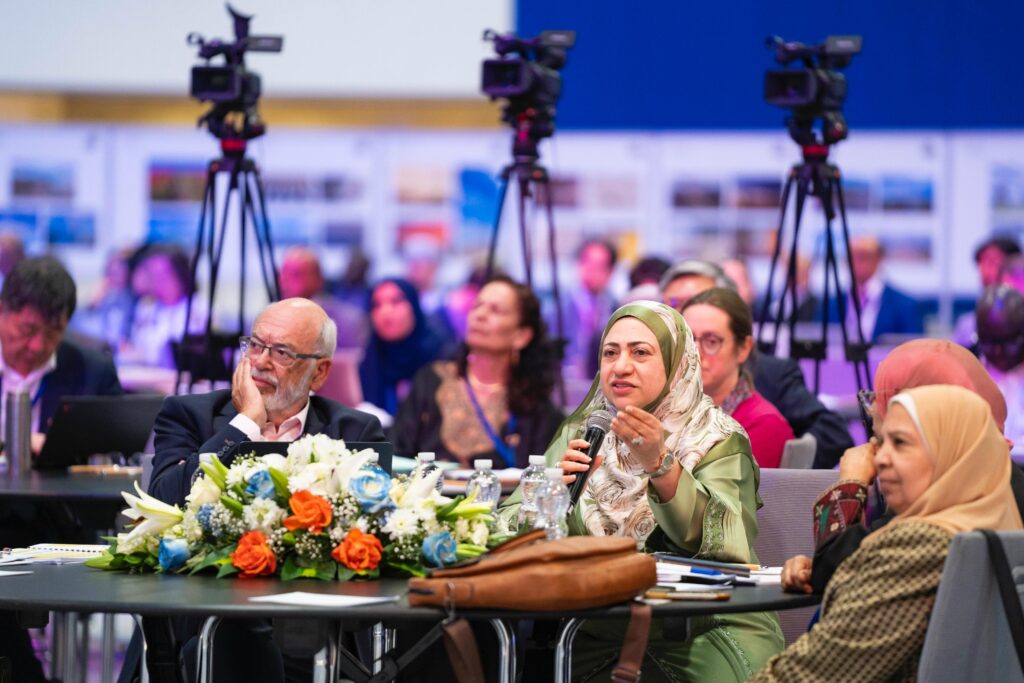
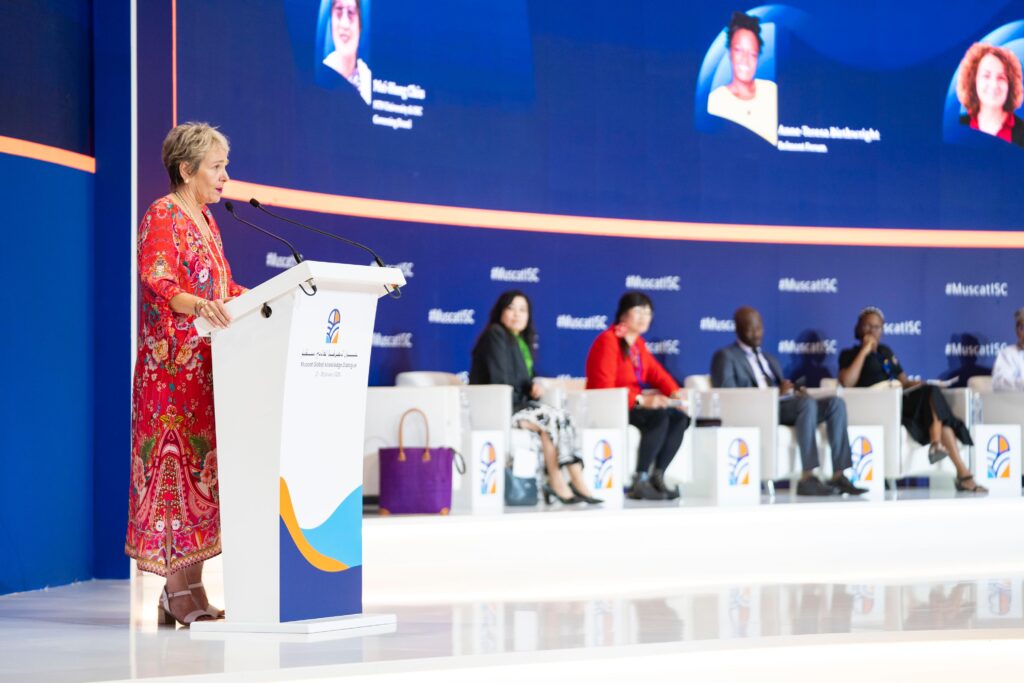
Interactive workshops, expert roundtables, and plenary sessions allowed for a robust exchange of ideas, paving the way for actionable outcomes.
Looking ahead
The Muscat Global Knowledge Dialogue served as the public-segment of the ISC’s Third General Assembly, which follows on 29–30 January. This marks the first in-person General Assembly of the ISC since its establishment in 2018, providing Members and Fellows a vital opportunity to define the strategic priorities of the Council and strengthen its organizational governance.
As the ISC concludes this series of Dialogues, it reaffirms its dedication to advancing science as a global public good. The insights gained and partnerships forged during these events will guide the ISC’s mission to harness science for a sustainable and equitable future.





