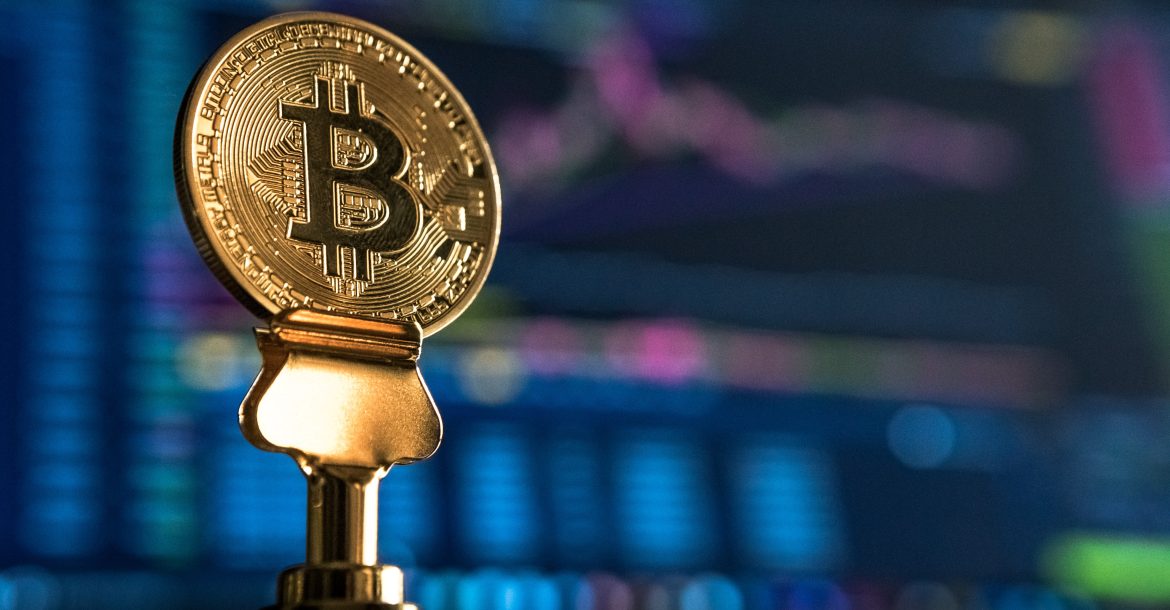
Muscat: Bitcoin shattered records, crossing $107,000, buoyed by President-elect Donald Trump’s pro-crypto stance and plans to establish a Bitcoin strategic reserve.
Bitcoin, created by the pseudonymous Satoshi Nakamoto in 2008, was conceived as a response to the global financial crisis. Its decentralized nature and the blockchain system it introduced allowed transactions without traditional financial intermediaries. Despite initial skepticism and derision, Bitcoin’s value has skyrocketed, outpacing US stocks and real estate with a staggering 1,000-fold increase over the past decade.
Governments and financial giants are now embracing the cryptocurrency. El Salvador has accumulated $600 million in Bitcoin reserves, while the United States and United Kingdom have acquired significant holdings through asset seizures. The US Securities and Exchange Commission (SEC) approved Bitcoin ETFs earlier this year, marking another milestone in Bitcoin’s journey to mainstream legitimacy.
Read More
- Omani Brand AMTUR Gold & Diamonds expands to Qatar with opening of 14th branch
- Development Bank Sustainability expert joins Duqm Summer Podcast Series
- Oman refinery output falls 3.7% to 129 million barrels
- GCC stock trading rises 19.5% as markets record $618 billion in deals
- Oman Air creates first-ever Chief Guest Experience Officer role
Trump’s return to the White House signals an era of unprecedented acceptance. With pledges to make the US the “crypto capital of the planet,” Trump has appointed crypto advocates to key positions, including former PayPal COO David Sacks as crypto tsar. Senator Cynthia Lummis’s BITCOIN Act proposes treating Bitcoin as a reserve asset alongside gold and oil, underscoring its perceived value as a hedge against inflation.
Financial heavyweights have also shifted their tone. BlackRock CEO Larry Fink, once a critic, now likens Bitcoin to gold, calling it an asset class that safeguards value. Meanwhile, analysts attribute Bitcoin’s resilience to its capped supply of 21 million, unlike fiat currencies prone to inflationary pressures.
As central banks and governments explore creating their own digital currencies, Bitcoin’s role in the financial ecosystem appears more secure than ever.





