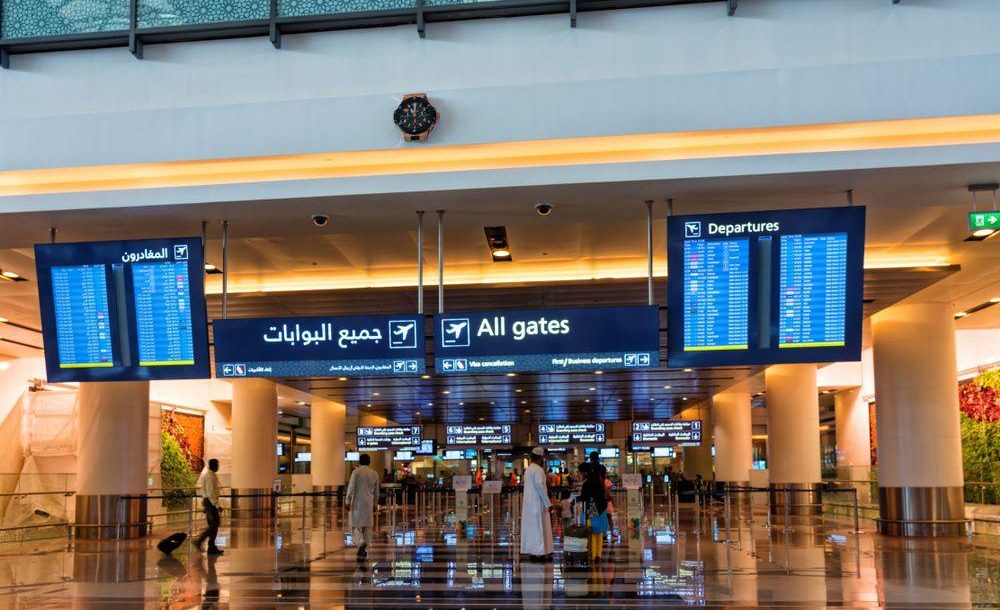

Muscat: This increase comes from 73,137 flights, up 3.4% from the same period last year. The airport also handled 16,826 transit passengers during this time.
In addition, Salalah Airport saw a sharp 6.8% rise, accommodating 1,230,326 passengers from 8,374 flights. Meanwhile, Sohar Airport recorded 62,842 passengers from 544 flights, and Duqm Airport received 44,753 passengers from 233 flights.
Muscat International Airport alone handled over 7.5 million passengers in the first seven months of 2024. The Sultanate of Oman also welcomed over two million visitors in the first half of the year.
Read More
- TAS Special Report: Al Khuwair roadworks turn daily commute into an ordeal
- Oman joins Gulf states in railway agreement to link six countries
- Oman’s Shura Council reviews call to regulate expatriate remittances
- Oman’s foreign minister, UN envoy discuss Yemen de-escalation and peace efforts
- Oman targets 30% medicine self-sufficiency within a decade, minister says
Looking at the broader regional trends, Middle Eastern carriers experienced a 4.9% year-on-year increase in demand in August 2024, with a load factor of 82.5%. Capacity also rose by 5.6%, reflecting the steady growth of the aviation sector.
However, the surge in passenger numbers is raising concerns about infrastructure capacity. Willie Walsh, Director General of IATA, warned that airports might soon face a capacity crunch unless swift action is taken. He mentioned the importance of ensuring sufficient infrastructure capacity where both airports and air navigation service providers need to optimize their resources and emulate the best-performing airports to avoid discrepancies in airport performance.