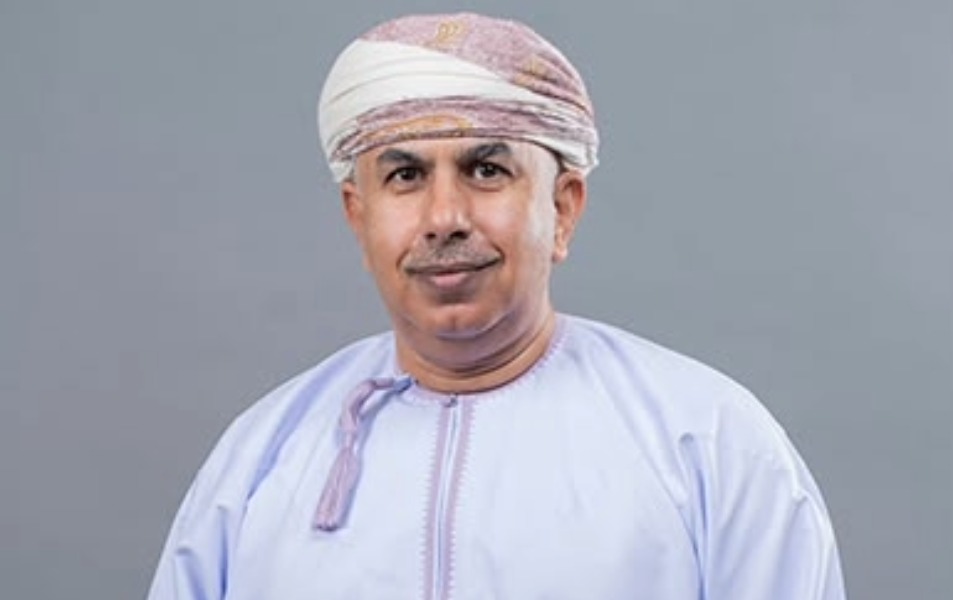

MUSCAT — Oman aims to raise medicine self-sufficiency to 30% over the next decade and is working to implement 18 new pharmaceutical manufacturing projects, Health Minister Dr Hilal bin Ali Al Sabti said.
In an interview with Al Roya newspaper, Al Sabti said the country was developing local production of medicines and medical supplies deemed strategic priorities, describing pharmaceutical security as part of national security.
The projects form part of efforts to increase domestic production and strengthen self-sufficiency, he said.
Read More
- Oman’s foreign minister, UN envoy discuss Yemen de-escalation and peace efforts
- Oman performs more than 300 corneal transplants, fully localises treatment
- Oman’s healthy life expectancy hits 68.2 years, tops 2030 target
- Oman releases preliminary voter lists for 2026 Municipal Council elections with over 722,000 registered voters
- Oman e-commerce transactions rise 20.4% as ATM use declines
Al Sabti said Oman’s healthcare system provided services across all governorates, with the ministry focusing on the quality of health outcomes, patient experience and efficient use of resources.
The ministry is seeking to expand specialist, rehabilitation and virtual healthcare services and develop new models of care, he said. Some resources would be redistributed to ensure equitable access to healthcare.
Prevention and early detection remained central to the health system, he added, describing cooperation between the public and private sectors as a strategic choice to improve services.
The Ministry of Health employed 44,298 people at the end of 2025, with Omanis accounting for 71.4% of its workforce. Omanisation stood at 50.4% among doctors and 76% in allied health professions.
Al Sabti said the ministry’s workforce policy focused on developing and retaining Omani expertise in highly specialised and critical fields.
Non-Omani professionals would continue to play an important role in some specialties, he added.





