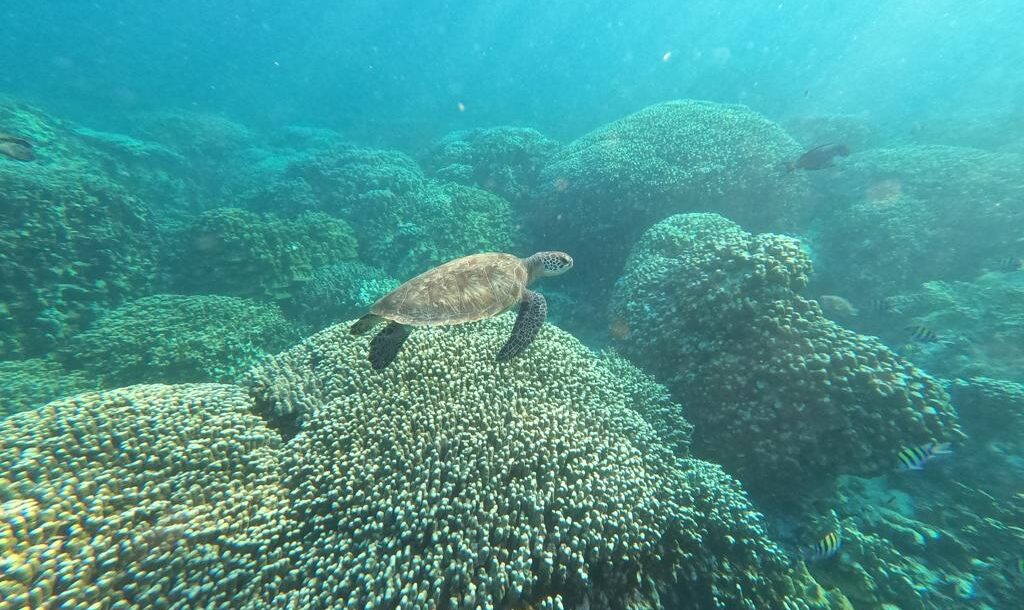

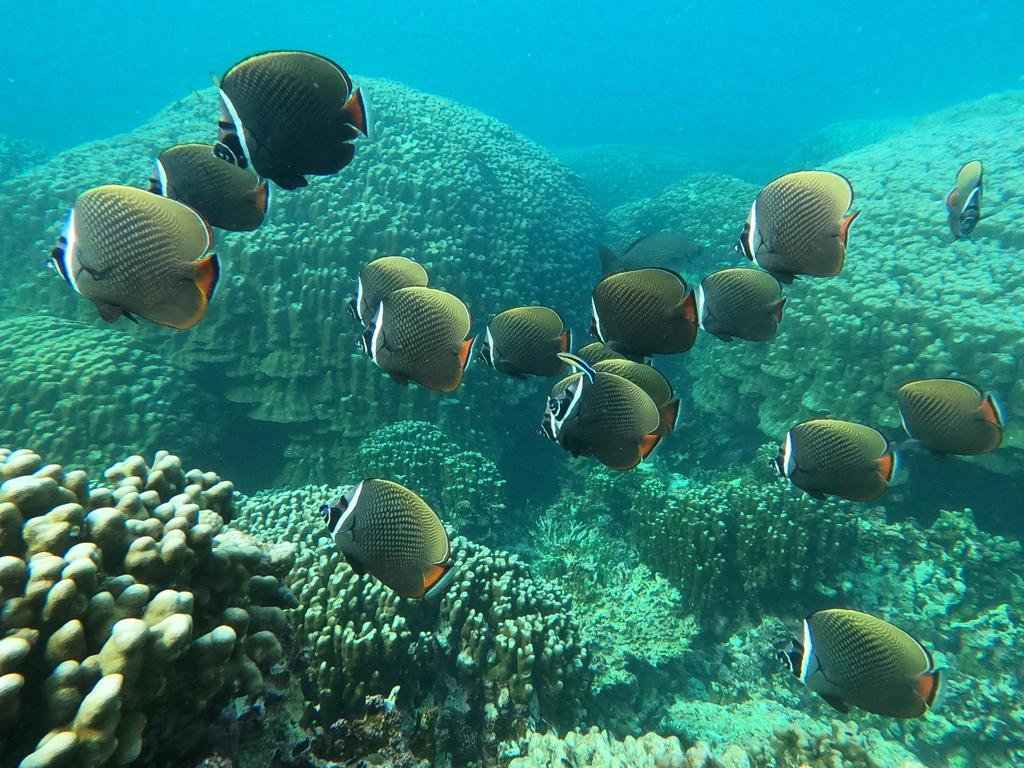
MUSCAT : The Daymaniyat Islands Nature Reserve consists of nine islands, including Al Dimaniya, Hayut, and Al Jabal Al Kabir. Covering an area of 203 square kilometres, this natural haven is renowned for its limestone formations, ancient coral reefs, and rich biodiversity.
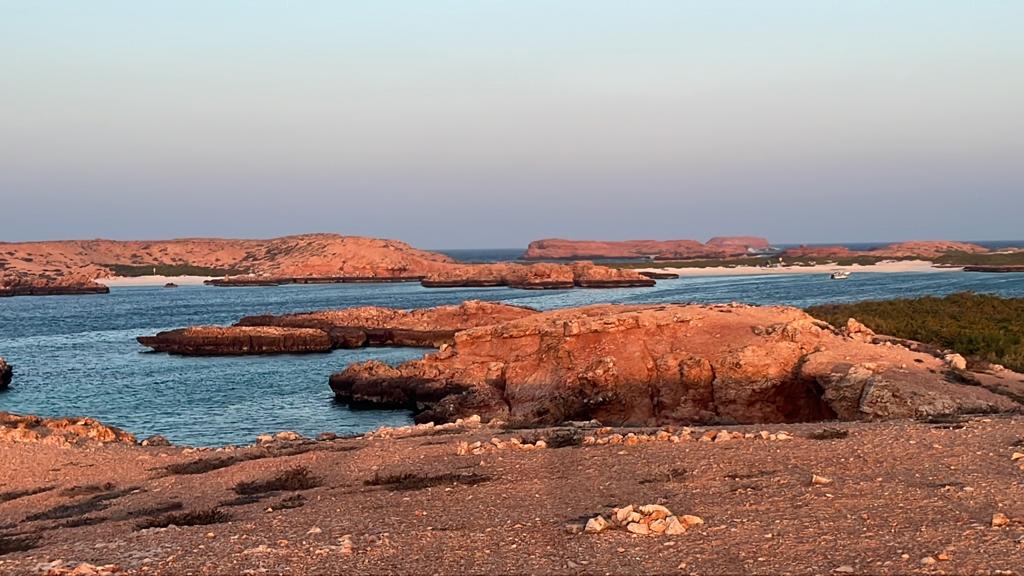
Eng. Salem bin Saeed Al Maskari, Director of the Environment Department in South Al Batinah Governorate, highlighted that the reserve’s nine islands—Al Dimaniya, Hayut, Qafsiya, Al Jabal Al Kabir, Al Ghorfa, Al Lomiya, Qasma, Awlad Lajoun, and Lajoun—offer a unique natural experience. From November to April, visitors can enjoy overnight stays and camping on Jabal Al Kabir and Lajoon. However, from May to October, access is restricted to protect nesting migratory birds.
This year, the reserve introduced Oman’s first underwater museum, designed to rehabilitate and expand coral reef areas.
Read More
- Ministry of Health outlines roadmap to cut costs, boost revenue in Oman
- HH Sayyid Theyazin chairs economic committee meeting, calls for stronger non-oil growth
- Oman establishes legal framework for International Financial Centre, targets 2027 launch
- Oman’s public debt falls by more than RO 600 million as budget swings to surplus
- Oman to enhance early warning system for media risks
Hamoud bin Khamis Al-Nairy, an environmental systems specialist, emphasized that electronic permits are now available for visitors, ensuring regulated access to the reserve. The area is not only a refuge for sea turtles, including the sharf and green varieties but also frequented by marine mammals like whales and dolphins.
The reserve supports a diverse array of wildlife, including 15 species of plants and various marine organisms. It serves as a stopover for migratory birds and a nesting ground for sea turtles.
For all the latest news from Oman and GCC, follow us on Twitter, Instagram and LinkedIn, like us on Facebook and subscribe to our YouTube page, which is updated daily.





