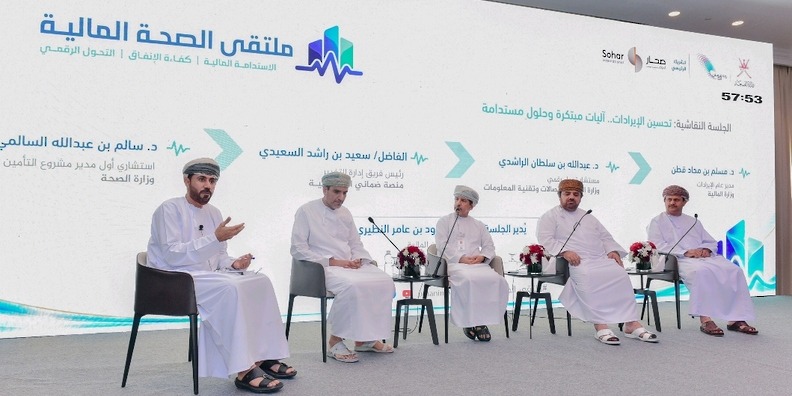

Muscat: The forum, which concluded on Wednesday, focused on four key areas: financial sustainability, spending efficiency, digital transformation and procurement, and revenue collection.
Among the major recommendations was the need to re-engineer administrative procedures to better identify requirements, speed up transactions and strengthen investment in human capital.
To improve spending efficiency, the forum proposed developing a national programme to reduce disparities between healthcare facilities, with doctors playing a leading role. It also recommended making value assessments mandatory for new funding, introducing a value-based list of medicines, standardising operational contracts and conducting energy audits.
Read More
- Muscat aims to become a smart, sustainable city, says HH Sayyid Bilarab
- HH Sayyid Theyazin chairs economic committee meeting, calls for stronger non-oil growth
- Oman establishes legal framework for International Financial Centre, targets 2027 launch
- Oman’s public debt falls by more than RO 600 million as budget swings to surplus
- Oman to enhance early warning system for media risks
In the area of digital transformation, participants called for expanding government procurement through the Amana platform and working with the Ministry of Finance to develop a comprehensive plan for the flexible implementation of the Maliya financial system across all Ministry of Health budgets.
The forum also stressed the importance of establishing a clear and integrated revenue collection framework, covering every stage from invoicing to legal proceedings, to strengthen financial accountability and improve collection efficiency.
The closing ceremony was held under the patronage of H.E. Suleiman bin Nasser Al Hajji, Undersecretary of the Ministry of Health for Financial and Administrative Affairs.
Organised by the Ministry of Health, the two-day event brought together government officials, financial experts, healthcare specialists and representatives of relevant government agencies for discussions, presentations and interactive workshops.
The forum aimed to establish best practices in financial planning, expenditure management and revenue collection while building a shared understanding between financial and operational teams on priorities for improving spending efficiency.
It also sought to develop practical recommendations and an action plan that could be implemented during the next quarter.
The Ministry expects the recommendations to help modernise financial management across the healthcare sector, optimise resource utilisation and translate policy discussions into actionable initiatives that improve institutional performance.
The initiative forms part of the Ministry’s broader efforts to make financial sustainability a strategic priority while ensuring the continued delivery of high-quality healthcare services.





