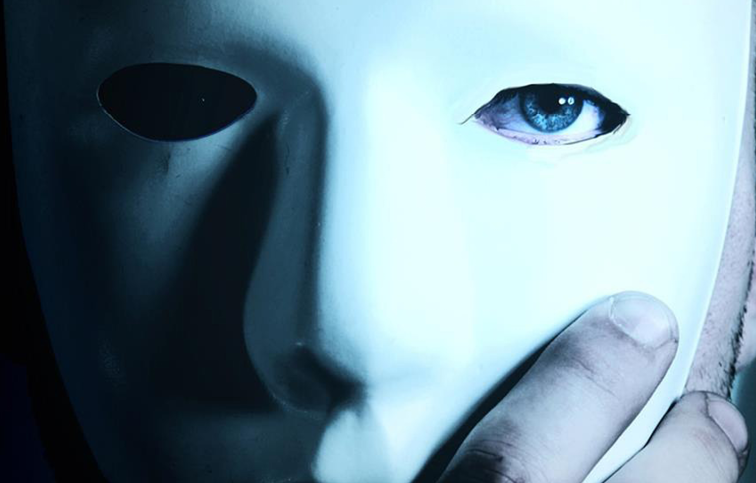

In the solitude of my apartment, a sanctuary far removed from the prying eyes of professional expectations, I found myself confronting a profound paradox.
As holding senior positions and targets, the pressure to maintain an image of strength and composure was relentless. The fear of being perceived as weak or vulnerable in the face of challenges drove me to don a metaphorical mask – a facade that concealed the tumultuous emotions brewing beneath the surface.
The other day, loneliness and professional issues converged, creating a mental storm that begged expression. Yet, the constraints of my managerial role limited my ability to reveal these vulnerabilities in real time. Instead, I chose to wear the mask of composure, a shield against potential judgment.
Read More
- Before MBAs and marketing: Timeless business lessons from Prophet Mohammed
- What Shakespeare knew about economics before economists did
- Respect is earned, not expected: Rethinking the teacher-student relationship
- Never underestimate a woman who enjoys her own company
- Rethinking schooling in the age of Artificial Intelligence
American writer Joanna Scott notes, “A mask conceals something from view. It can be worn to cover all or part of the face: to disguise, hide, protect, amuse or frighten others.”
It is a paradox we often find ourselves entangled in – concealing our true selves behind a veneer of happiness, success, or composure. The price of conforming to societal expectations and professional norms can be high, leading to a disconnection from our authentic emotions.
The moment I crossed the threshold of my apartment. However, the mask I wore to face the world fell away, and the floodgates of suppressed emotions burst open. A cascade of tears and self-criticism ensued, momentarily giving in to what felt like an overwhelming vulnerability. In that moment, I grappled with the dichotomy of my public and private personas, questioning the necessity of the mask that shielded me from the prying eyes of judgment.
As I wept bitterly, a sense of self-loathing crept in, labelling my emotional outpouring as childish. Yet, in the aftermath of this emotional release, a profound sense of relief washed over me. The act of shedding tears became a cathartic experience, unburdening the tensions that had silently accumulated within.
This introspective journey led me to confront a fundamental question: Why was I so hesitant to express my emotions authentically? The roots of this hesitation stretched back to my formative years when societal norms subtly dictated that vulnerability and sadness were signs of weakness. This was not my case alone; it was applicable to most of the kids. The unwritten rule was clear – always put on a brave face and soldier through difficult times.
However, as I continued navigating the labyrinth of life, I began to recognize the toll this constant suppression of emotions was taking on my mental well-being.
In the solitude of my solo journey through life, I stumbled upon the liberating idea of staying with my feelings. I granted myself permission to be sad when life threw its shocks and allowed anger to course through me when faced with injustices. This realization marked a transformative moment – unshackling myself from the constraints of societal expectations and embracing the authenticity of my emotions.
It is a journey that requires a conscious effort to be truthful to oneself rather than conforming to external expectations. Being human means experiencing a myriad of emotions, each playing a crucial role in shaping our perspectives and responses to the world.
This acknowledgement paved the way for a revolutionary act – reclaiming my humanity by embracing authenticity in emotions.
As I navigated this path, I discovered the profound impact of mindfulness on my emotional landscape. Instead of pushing emotions aside, I began practising the art of being present with them, acknowledging their existence without judgment. This mindfulness journey became a compass, guiding me through the tumultuous seas of emotions and offering solace in the midst of life’s storms.
Admittedly, there are moments when societal compulsions lure me back into donning the mask. Yet, every instance serves as an opportunity to remove it and reconnect with my true emotions.
The art of expressing these emotions emerges as unique as each individual. Some find solace in painting, others in musing or literature, and personally, I found refuge in writing and engaging in conversations without any agenda.
In these moments of expression, the weight of unspoken emotions lifts, replaced by a sense of clarity and understanding. It’s akin to what William Blake conveyed in his poem, ‘A Poison Tree’:
“I was angry with my friend;
I told my wrath; my wrath did end. I was angry with my foe:
I told it not; my wrath did grow.
And I watered it in fears,
Night & morning with my tears:
And I sunned it with smiles,
And with soft deceitful wiles.”
Blake’s words encapsulate a simple truth – be true to yourself and acknowledge your emotions healthily. By creating a space where we can be true to our feelings, we not only foster our mental well-being but also contribute to a more compassionate and understanding world.
In a world that often encourages a facade of perpetual happiness, the act of embracing authenticity in emotions becomes a revolutionary stance. It is not merely a personal choice; it is a profound and transformative journey of reclaiming our humanity. In unmasking our emotions, we unveil the raw, unfiltered essence of our being, forging a path towards a more genuine and interconnected existence.
About the author: Reena Rahman is the Vice President, Corporate Reforms at FitsAir.





