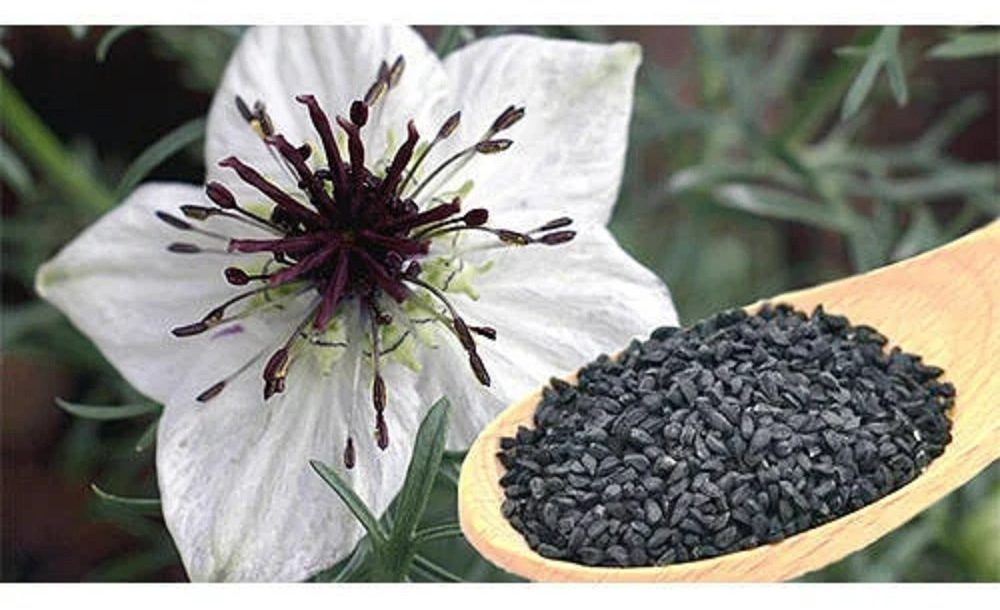

What is Black Seed?
Nigella sativa, a perennial flowering plant known as black cumin or black seed, is the source of black seed oil.
Due to the presence of thymoquinone, one of its primary components, black seed oil, native to Southern Europe, North Africa, and Southwest Asia, is used to treat various ailments, including cancer, diabetes, and cardiovascular disorders.
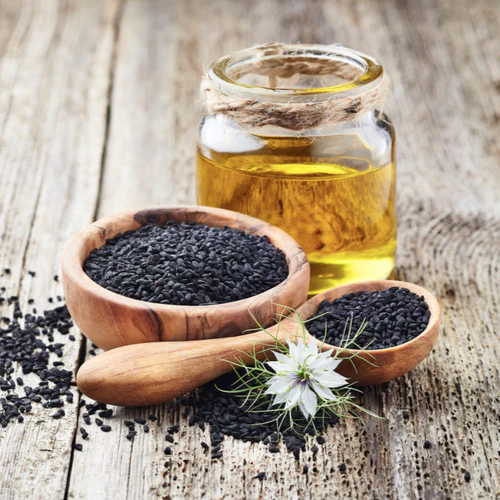
The most popular application for black seed oil is in food, usually as a spice or preservative. It can also be applied topically as a gel or paste or taken internally as a powder or oil.
Skin Conditions
Black seed oil has anti-inflammatory and antibacterial properties that may help lessen the signs and symptoms of skin diseases like acne, vitiligo, eczema, and psoriasis.
Weight Loss
A double-blind trial of obese women on a low-calorie diet found that incorporating black seed oil improved body composition, including body mass index, and reduced appetites in participants. However, more research is required to confirm these findings regarding black seed oil’s potential to help with weight loss.
Hair Health
Given its anti-inflammatory properties, black seed oil may help lessen scalp conditions such as dryness and flakiness (seborrheic dermatitis or breakouts that may happen near hair follicles). Although there is not enough research, some claims are also that it helps with hair loss.
Hypertension
According to a study published in Phytotherapy Research: PTR, black seed oil may also help lower blood pressure. Researchers discovered that people who took 2.5 millilitres of black seed oil twice daily saw notable blood pressure drops with no adverse side effects.
Wound healing
thymoquinone’s antibacterial, anti-inflammatory, and antioxidant qualities can aid in the recovery of wounds. “Black seed oil can also promote collagen synthesis, hastening the skin’s healing process.”
Diabetes
According to research, black seed oil may help lower blood sugar levels in diabetic patients because it appears to have hypoglycemic properties. Black seed oil has been shown to reduce blood sugar levels during fasting significantly.
Cholesterol
Another benefit of black seed oil may be maintaining healthy cholesterol levels. A study found that participants who took two teaspoons of black seed oil after breakfast for six weeks experienced a significant reduction in LDL (low-density lipoproteins) or bad cholesterol.
Read More
- Oman lays foundation stone for genome centre costing more than RO 4.2 million
- Nearly 60% of high blood pressure cases go undiagnosed, Oxford study finds
- ADHD: An emerging discussion on a shared disorder
- Matcha Mania: Is the green drink really as healthy as it seems?
- Oman marks World Health Day, highlights commitment to health innovation and digital transformation





