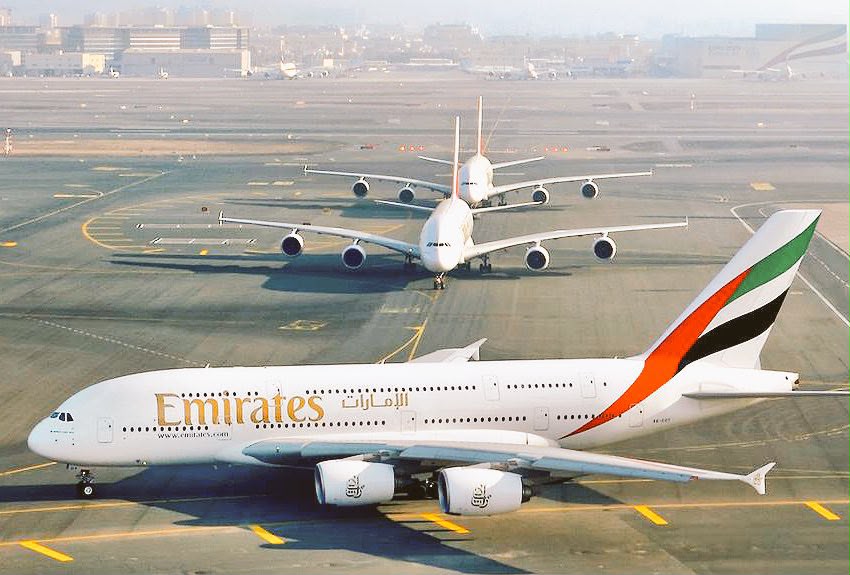

DUBAI — Emirates reported a 66% fall in first-half profit after tax on Thursday as regional conflict disrupted flights and drove up jet fuel prices, while stronger cargo revenue and fuel hedging gains softened the impact.
The Dubai-based airline posted profit after tax of AED 3.3 billion ($903 million) for the six months ended September 30. Profit before tax fell to AED 3.7 billion ($1 billion) from a record AED 11.4 billion a year earlier, while revenue declined 13% to AED 56.9 billion.
Parent company Emirates Group, which includes aviation services business dnata, reported profit after tax of AED 3.6 billion, down 66%. Group revenue fell 12% to AED 66.2 billion, while profit before tax stood at AED 4.1 billion.
Read More
- GCC opens anti-dumping probe into paper imports from China, India and Thailand
- Pakistan eyes LPG imports from Oman and Saudi Arabia ahead of winter
- Tesla to officially enter Oman market in 2027, starts recruitment
- Democrats win U.S. Senate control in midterm setback for Trump
- Cyclone Murasu makes landfall in India’s Andhra Pradesh, thousands evacuated
“It has been a demanding six months, and once again our business model and our people stood up to the test,” His Highness Sheikh Ahmed bin Saeed Al Maktoum, chairman and chief executive of Emirates Airline and Group, said in a statement.
Sheikh Ahmed said customer demand remained firm and cargo operations made a strong contribution, supporting revenue and cash levels despite regional disruption and a doubling of global jet fuel prices compared with the same period last year.
Emirates’ fuel bill before hedging rose 60%, even as the volume of fuel uplifted fell 12% because of reduced flying.
Gains of AED 7.1 billion from its fuel price risk management strategy limited the net increase in fuel costs to 13%. Fuel accounted for 34% of the airline’s operating costs.
The airline carried 21.8 million passengers during the six-month period, down 22% from a year earlier. Capacity, measured in available seat kilometres, fell 17%.
Its passenger seat factor, a measure of how many available seats were filled, declined to 72% from 79.5%. Emirates was operating 91% of its pre-disruption network as of September 30.
Cargo revenue rose 52%, despite a 1% decline in tonnage carried. The company said the conflict had constrained available air freight capacity, while disruptions to maritime transport prompted shippers to move goods by air.





