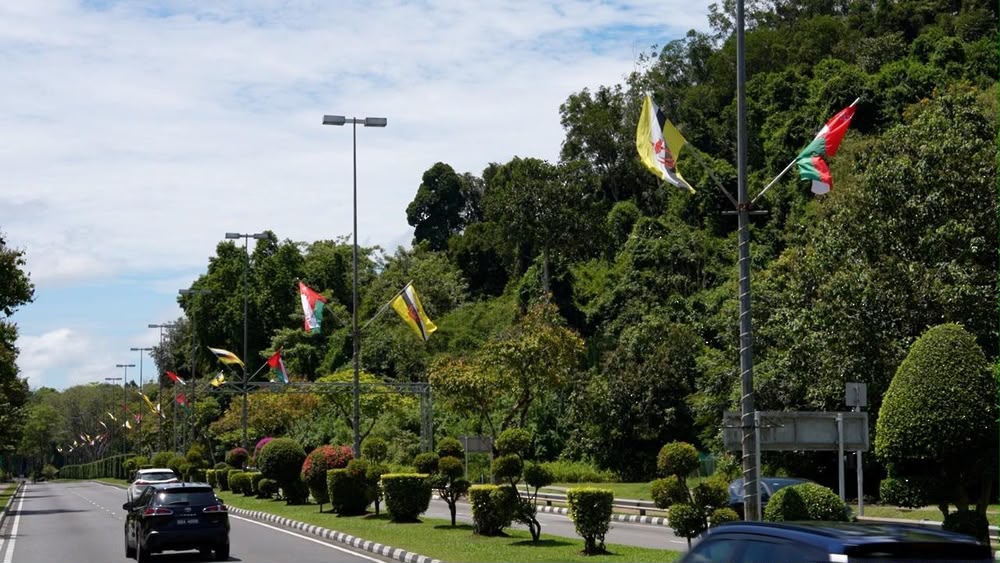

MUSCAT: During the era of the Renewed Renaissance, led by His Majesty Sultan Haitham bin Tarik, the Sultanate of Oman seeks to enhance the bonds of cooperation and communication with the countries of the world. These efforts come within the framework of an integrated vision stemming from the deep-rooted civilizational legacy of the Sultanate of Oman, its distinguished geographical location that has made it a bridge of communication between East and West, and its approach based on wisdom, moderation, and respect for the sovereignty of states.
The foreign policy of the Sultanate of Oman embodies its keenness to build solid strategic partnerships with brotherly and friendly countries based on mutual interests and respect, translating into practical cooperation in the political, economic, cultural and educational fields.
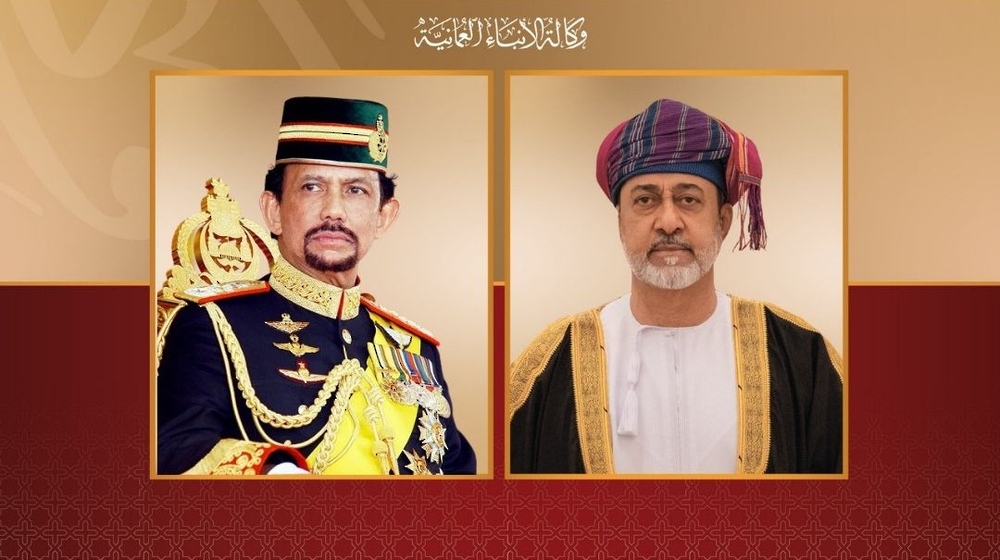
In this context, the Royal visit of His Majesty Sultan Haitham bin Tarik to Brunei Darussalam—which is the first visit by an Omani Sultan to Bandar Seri Begawan—comes as an embodiment of His Majesty’s interest in building bridges of friendship and partnership with brotherly and friendly countries. It also translates the endeavor of the government of the Sultanate of Oman to communicate with the countries and peoples of the world to enhance bilateral relations in various fields, thereby serving mutual interests and consolidating the bonds of cooperation and understanding among peoples.
Read More
- Oman sets out rules for hiring freelancers on government contracts up to RO 5,000
- Oman signs investment deals worth billions with China in record package
- Oman explores Chinese partnerships in AI, logistics and drone transport
- Oman Science Festival opens with more than 500 activities and workshops
- His Majesty urges deeper China ties in clean energy, AI and finance
The partnership between the Sultanate of Oman and the Sultanate of Brunei Darussalam is a unique model of cooperation between two countries in the Asia-Pacific region. They have succeeded in transforming historical ties into a solid economic and cultural partnership, supported by reciprocal official visits and bilateral agreements in various political, economic, and cultural fields.
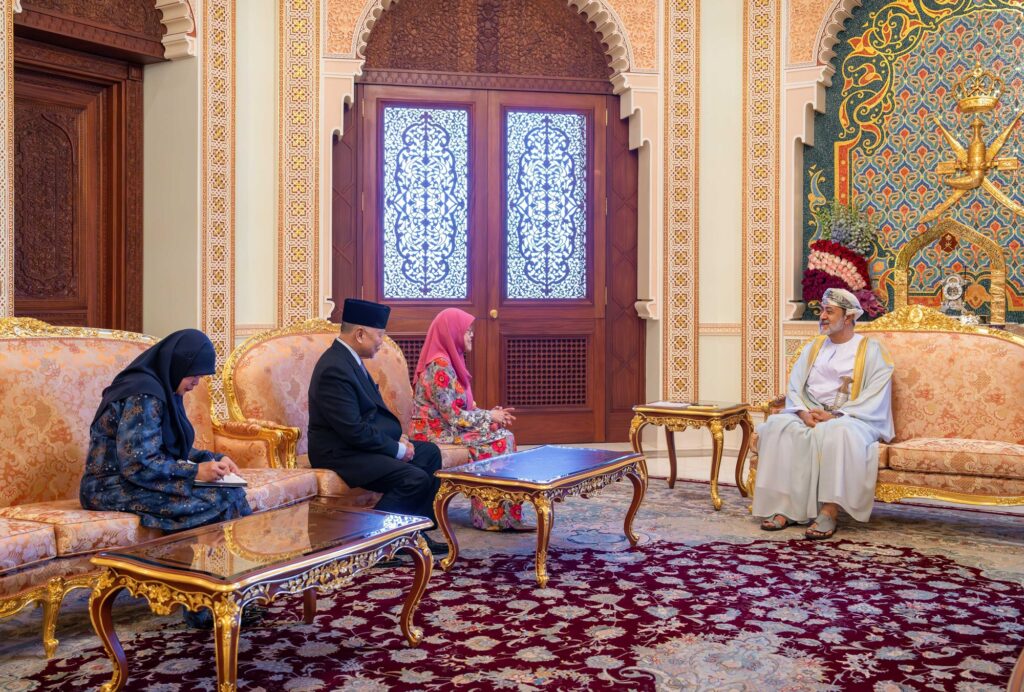
The diplomatic relations and strategic partnership between the Sultanate of Oman and Brunei Darussalam have been crowned by milestones that embody an advanced model of bilateral cooperation between nations. Since the official establishment of diplomatic relations between Muscat and Bandar Seri Begawan in 1984, the two countries have succeeded in formulating a steadfast partnership crossing continents and seas, based on mutual respect, aligned political visions, economic and cultural integration, and deep historical ties.
The Sultanate of Oman opened its embassy in the Bruneian capital, Bandar Seri Begawan, in 1986. This marked the beginning of a chapter of diplomatic harmony that spans more than four decades.
The bilateral relations between the Sultanate of Oman and Brunei Darussalam receive great attention from the leaderships of the two friendly countries, which has contributed to developing, enriching, and advancing these relations toward broader horizons and fruitful results since the establishment of diplomatic relations four decades ago. These relations were strengthened through reciprocal official visits, represented by the visit of His Majesty Sultan Haitham bin Tarik to Brunei Darussalam in 2014 during His Majesty’s tenure as Minister of Heritage and Culture.
In return, Sultan Haji Hassanal Bolkiah, Sultan of Brunei Darussalam, paid several visits to the Sultanate of Oman in the years 1984, 1985, and 2009, reflecting the keenness of the two countries to enhance the bonds of communication and cooperation and push their partnership toward further progress and prosperity.
The relations between the two friendly countries have witnessed remarkable development, embodied in the signing of a number of memoranda of understanding relating to cooperation in the fields of education, culture, and others, as well as the exchange of visits between senior officials from both countries. In 1992, a joint working group known as the “Bilateral Consultative Meeting” between the Sultanate of Oman and Brunei Darussalam was established, and the group’s meetings have contributed to enhancing bilateral relations in numerous fields.
Statistics issued by the National Centre for Statistics and Information (NCSI) show that the value of Brunei Darussalam’s investments in the Sultanate of Oman in 2025 amounted to about RO 50.3 million, while it reached around RO 50.4 million during the first six months of the current year. In contrast, the value of Omani direct investments in Brunei Darussalam amounted to approximately RO 2.3 million.
The statistics stated that the total number of visitors arriving in the Sultanate of Oman from Brunei Darussalam through legal ports reached 344 visitors, and the number by the end of September 2026 stood at about 126 visitors.
It is expected that the coming period will witness an important phase to push economic cooperation between the two friendly countries to advanced levels, bolstered by the desire of the governments of both countries to achieve economic diversification and expand the horizons of partnership in various commercial and investment fields.
The Sultanate of Oman and Brunei Darussalam continued to enhance the bonds of cooperation in the investment field over the past years, in a promising developmental trajectory that reflects the depth of relations between the two friendly countries. This cooperation was crowned by the signing of the agreement for the reciprocal promotion and protection of foreign investments between the two countries in Muscat in June 1998. This agreement aims to create favorable conditions to enhance economic cooperation and mutually protect foreign investment between the governments, citizens, and companies operating in the two countries, thereby opening broad horizons for a productive partnership.
Proceeding from the keenness of the two countries to enhance cooperation in the fields of trade and investment, the Sultanate of Oman and Brunei Darussalam signed an agreement to establish a joint investment fund with a capital of USD 100 million shared equally between the two countries, to be headquartered in Muscat. This deal resulted in the establishment of the Oman Brunei Investment Company in 2009, which focuses on several successful investment projects in the Sultanate of Oman and Brunei Darussalam, and has effectively contributed to exploring available investment opportunities for both sides in the education, health, hospitality, services, and aquaculture sectors, heralding further joint projects.
In affirmation of both sides’ keenness to elevate the economic partnership to more advanced and prosperous levels, Oman Investment Authority and the Brunei Investment Agency agreed in December 2019 to increase the capital of the Oman Brunei Investment Company by an additional USD 100 million, bringing the company’s capital to USD 200 million. The agreement was signed on the sidelines of the meetings of the 19th session of political consultations between the two countries.
Erma Said Al Kathiri, Ambassador of the Sultanate of Oman to Brunei Darussalam, affirmed to Oman News Agency (ONA) that the upcoming visit of His Majesty Sultan Haitham bin Tarik to Brunei Darussalam is a historic moment in every sense of the word. It is the first visit by His Majesty to Brunei Darussalam in response to a gracious invitation from His Majesty Sultan Haji Hassanal Bolkiah.
She pointed out that this visit comes as the culmination of a journey spanning more than forty-two years since the establishment of diplomatic relations on 24 March 1984, less than three months after Brunei’s independence, which confirms that the Sultanate of Oman was among the first to extend the hand of friendship to this country.
The Ambassador clarified that the visit carries additional significance when recalling that His Majesty the Sultan of Brunei visited the Sultanate of Oman three times in the years 1984, 1985, and 2009. She emphasized that these visits laid a foundation for this relationship and resulted in the establishment of joint entities. Thus, the visit of His Majesty the Sultan today reflects the depth of communication at the highest levels and affirms that the bond between the two countries is not merely a relationship between two governments, but a fraternal connection between two deeply rooted ruling families and two peoples united by the values of Islam and moderation.
Erma Said Al Kathiri, Ambassador of the Sultanate of Oman to Brunei Darussalam indicated that when recalling Omani civilizational history, it becomes evident that Omani sailors and merchants were at the forefront of those who connected the Gulf to the ports of the East via maritime Silk Roads. Therefore, the visit of His Majesty the Sultan to Brunei Darussalam is not the beginning of a relationship, but rather the resumption of an ancient, deep-rooted relationship between the Arabian Peninsula and the Malay Archipelago, renewed today within the framework of a solid strategic partnership.
Regarding the most prominent files and areas that the Royal visit will focus on, the Ambassador clarified that the visit is headlined by a fundamental file aimed at elevating bilateral relations to the level of a strategic partnership through a joint declaration expected to outline a comprehensive framework for the post-visit phase. This will be accompanied by the signing of a number of agreements and memoranda of understanding that serve the priorities of the two friendly countries. These priorities are represented in connectivity and facilitating mobility, including updating the air services agreement and codeshare arrangements, as well as the mutual visa exemption agreement for holders of diplomatic, special, and service passports.
Regarding the economy and investment, she added that cooperation includes a protocol amending the agreement for the avoidance of double taxation signed in 2008 to create a more suitable environment for investment, and a memorandum of understanding in economy and strategic planning that opens the door for exchanging expertise between Oman Vision 2040 and Brunei Vision 2035. Cooperation also encompasses the field of food security with a memorandum of understanding in agriculture and fisheries built upon a successful existing experience in aquaculture through the Oman Brunei Investment Company, as well as a memorandum of understanding in labor, human resources development, and vocational training.
The Ambassador stated that the talks between His Majesty the Sultan and the Sultan of Brunei Darussalam will cover visions regarding developments in the Gulf and Southeast Asia regions. The two leaders will also witness the opening of a photographic exhibition at the Sultan Haji Hassanal Bolkiah Islamic Exhibition Gallery that documents the milestones of relations since 1984. The common denominator among all these files is the transition from distinguished political ties to tangible interests felt by citizens in both countries.
In light of the bilateral partnership extending for four decades and the importance of this visit in enhancing the partnership and opening broader horizons for bilateral cooperation, the ambassador said: “I can confidently say that this visit will be a qualitative turning point because it does not merely affirm what already exists, but rather sets a new institutional framework and clearly defined implementation mechanisms for it.”
She noted that the two countries possess an inventory of fourteen agreements and memoranda of understanding since 1988 in the fields of air transport, investment, education, culture, media, health, and religious affairs, alongside two active mechanisms: the consultative meeting between the foreign ministries, of which twenty-three rounds have been held, and the joint committee at the undersecretaries’ level.
She pointed to a successful investment model between the two friendly countries represented by the Oman Brunei Investment Company, which was established in 2009 and whose capital has grown to USD 200 million. It has a presence in health, education, hospitality, industry, desalination, and aircraft leasing in Oman, and aquaculture in Brunei. She added that the ambition exceeds what has been achieved so far.
She affirmed the importance of the strategic partnership in this aspect, as it provides a solid ground to transform political convergence into trade, investment, and vital links. What inspires optimism is that follow-up is guaranteed by existing mechanisms; the twenty-fourth round of the consultative meeting in Brunei early next year, and the fifth session of the joint committee in 2027, will constitute two significant milestones to reflect what will be agreed upon into a tangible reality.
Regarding her assessment of the political and diplomatic importance of the Omani-Bruneian relations and what the current phase represents in their trajectory, the Ambassador clarified that these relations derive their political importance from an alignment in vision and approach rarely found between two countries separated by thousands of kilometres. The two countries share a deep-rooted system of governance, a moderate Islamic identity, and a calm foreign policy based on respecting the sovereignty of states, non-interference in their internal affairs, and resolving disputes through dialogue and peaceful means. This alignment is not merely a slogan but a practice evidenced by continuous coordination between the two countries at the United Nations, the Organization of Islamic Cooperation, and other forums.
Diplomatically, the Ambassador affirmed that Brunei Darussalam represents a reliable partner for the Sultanate of Oman at the heart of the Association of Southeast Asian Nations (ASEAN), while the Sultanate of Oman represents a voice of wisdom and a window to the Gulf region for Brunei.
The Bruneian side has expressed on more than one occasion its appreciation for the role undertaken by the Sultanate of Oman in promoting peace and stability through dialogue and diplomacy, a role that is highly regarded and cherished.
As for the current phase of bilateral relations, she affirmed that it has reached a stage of maturity. After four decades of building trust and exchanging expertise, the two countries have reached a mutual conviction that the time has come to transition from cooperation to partnership. What adds to the significance of this timing is that it comes just before the Diamond Jubilee of Sultan Haji Hassanal Bolkiah’s accession to the throne in Brunei Darussalam, and in a delicate international and regional circumstance where the value of partnerships based on trust and moderation is magnified.
In light of the rapid developments in the region and the world, the Ambassador affirmed that the two countries continue coordination and dialogue regarding regional and international issues of mutual interest. In an increasingly turbulent world, the value of nations that maintain the steadfastness of their positions and the balance of their discourse grows, which is a commonality between the Sultanate of Oman and Brunei Darussalam. Both countries believe that dialogue is the most effective way to address crises and that respecting international law and the Charter of the United Nations is the true guarantee for the stability of states.
She added that coordination between the two countries provides multiple and integrated channels. At the bilateral level, the annual consultative meeting between the foreign ministries, which combines political consultation and the follow-up of cooperation, is at the forefront of these channels, and the strategic partnership will enhance its role and standing, alongside direct and regular communication between the two leaderships. At the multilateral level, coordination is embodied at the United Nations, the Organization of Islamic Cooperation, and the Non-Aligned Movement, as well as in the mutual support of positions in international organizations. At the regional level, the frameworks of joint summits between the GCC and ASEAN are employed to enhance convergence and integration between the two regions, making the two countries a natural bridge between them.
She pointed out that the two countries agree on clear constants, foremost of which is supporting the rights of the Palestinian people and the establishment of their independent state, the importance of maritime security and freedom of navigation, and the rejection of resorting to force in resolving disputes. She stated that the value of this partnership is particularly evident during times of crisis; when two voices of wisdom in two different regions consult, the horizons of vision widen for both, and the voice of moderation strengthens in an environment most in need of it and most aspiring for sustainable peace.
Regarding her assessment of the level of cooperation in the educational, cultural, and academic fields, and the opportunities available to enhance exchange between institutions and universities in the two countries, the Ambassador said: “If I were to choose the most successful area of cooperation and the closest to people’s hearts, I would choose cooperation in teaching the Arabic language; it is the area where Bruneians directly feel the Omani impact.”
She explained that the Sultanate of Oman gifted more than eleven thousand Arabic language curriculum books, dispatched an expert to train teachers for three years, and organized successive training courses for Arabic teachers, the latest of which was early this year, alongside an Arabic schools twinning program.
She noted that forty-one Bruneian students benefited from the Sultan Qaboos Institute for Teaching Arabic to Non-Native Speakers program, while Universiti Islam Sultan Sharif Ali sends its students to spend an academic year at Sultan Qaboos University.
On the academic front, she clarified that Sultan Qaboos University and Universiti Brunei Darussalam have been linked by a memorandum of understanding since 2003, in addition to exchanging students to participate in joint programs, and a number of Omani students have obtained Master’s and PhD degrees from Universiti Brunei Darussalam.
Culturally, the Embassy of the Sultanate of Oman in Brunei Darussalam has launched seven corners for Omani publications in Bruneian libraries encompassing more than two thousand publications, while mutual annual participation continues in the book fairs of both countries, in addition to two joint documentary films and a documentary book to commemorate forty years of cooperation.
As for the available opportunities, the Ambassador described them as vast, including the allocation of mutual annual scholarships, particularly for Omani students at Bruneian universities ranking high regionally, and for Bruneian students in the specializations of the Arabic language and its teaching at Omani universities. This is in addition to expanding research partnerships in the fields of Islamic studies, food security, and energy, and enhancing youth exchange, the features of which began to take shape with the participation of youth from Brunei in the “Musta’ed” camp, while the new vocational training memorandum opens new horizons for capacity building in both countries.
Regarding the message carried by the Omani-Bruneian relations today and its aspirations for the path of this partnership in the coming years, the Ambassador affirmed that this message is simple in its formulation yet profound in its meaning: distances do not prevent peoples from meeting when united by values. The two countries, one overlooking the Arabian Sea and the other the South China Sea, have managed over four decades to establish a model relationship based on mutual respect, trust, and loyalty, and today they are transitioning with it to the horizons of strategic partnership. Meanwhile, these relations carry a message to the world that the approach of wisdom, moderation, and dialogue is not merely an idealistic choice, but a realistic one that creates stability and promotes development.
In the conclusion of her statement, Erma Said Al Kathiri, Ambassador of the Sultanate of Oman to Brunei Darussalam, expressed her aspiration that the strategic partnership transforms into a tangible reality felt by citizens in both countries. This includes a more seamless and regular air link bringing Muscat and Bandar Seri Begawan closer, broader mutual investments in food security, energy, logistics, and industries, a greater presence of the private sector, and a tourist influx that benefits from the integrated components of both countries, as well as a new generation of students and researchers carrying this friendship into the future.
She affirmed that the Embassy realizes that the post-visit phase is no less important than the visit itself; therefore, it will work with the relevant authorities in both countries to follow up on the implementation of what will be agreed upon, step by step, until the results of this historic visit are fully realized.
On another note, Faisal Abdullah Al Rowas, Chairman of the Board of Directors of Oman Chamber of Commerce and Industry, affirmed that the economic relations between the Sultanate of Oman and Brunei Darussalam offer promising opportunities to expand areas of cooperation and enhance partnerships between private sector institutions in both countries.
He pointed to the importance of building on the economic fundamentals and diverse capabilities possessed by both sides, thereby opening broader horizons for commercial and investment exchange and serving mutual interests.
He clarified in a statement to Oman News Agency (ONA) that manufacturing industries, food security, and food industries represent important areas for cooperation through encouraging joint investments, exchanging expertise, and expanding food production and processing. This enhances supply chain efficiency and supports the diversification of food sources. Tourism also emerges as a promising field to showcase the tourism potential in both countries and develop tourism programs and products that provide greater opportunities for cooperation between institutions and companies operating in this sector.
He added that information and communications technology constitutes a growing field of cooperation, given the opportunities it provides for exchanging knowledge and expertise and developing digital services and solutions. The transport and logistics sector also offers opportunities to enhance commercial connectivity, facilitate the movement of goods, and support companies’ access to new markets, contributing to the development of trade exchange between the two countries.
Al Rowas pointed out that Oman Chamber of Commerce and Industry is working to enhance communication between Omani and Bruneian companies, introduce available investment opportunities and areas of cooperation, and encourage business meetings and trade delegations. He emphasized the importance of continuing coordination between private sector institutions in both countries and transforming joint opportunities into practical projects and partnerships that contribute to developing economic relations and enhancing the presence of companies in the markets of both countries.
The Bruneian economy is considered a high-income economy in the Southeast Asian region, relying primarily on the oil and natural gas sectors, which represent the main source of government revenues, exports, and foreign exchange income.
The government of Brunei Darussalam is working to reduce reliance on oil and gas and diversify the economic base within the framework of Brunei Vision 2035. Commercially, Brunei heavily relies on exports of oil, gas, and their derivatives, while importing a significant portion of its needs in terms of commodities, food products, machinery, and equipment, with its trade closely linked to Asian markets.
While these figures, agreements, and reciprocal visits constitute the visible structure of these relations, what gives them their true value is that rare blend of aligned vision and steadfast approach uniting Muscat and Bandar Seri Begawan, despite the distances separating them and the varying regional and international circumstances around them. What began four decades ago with a pioneering step in which the Sultanate of Oman extended the hand of friendship to Brunei Darussalam immediately following its independence, has today transformed into a mature partnership that goes beyond traditional exchange to a shared vision for development and stability. This partnership finds its pillars in economic diversification, joint investment, and knowledge exchange, and its methodology in dialogue, moderation, and respect for international law.





