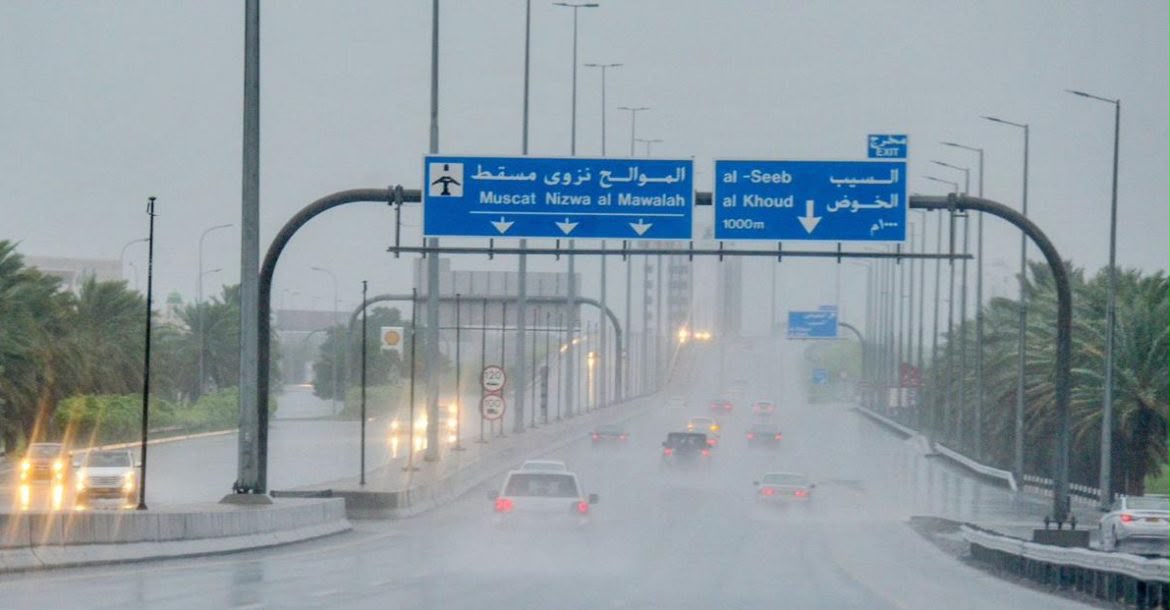
MUSCAT – Northern Oman is expected to receive above-average rainfall in October and November, according to a seasonal report examining El Niño’s potential effects on rainfall, temperatures and tropical cyclone activity in the country through May 2027.
The report, prepared by the Civil Aviation Authority’s National Multi-Hazard Early Warning Centre, identifies potential risks from heavy rainfall, flooding and strong winds, while also assessing the likelihood of cold spells and tropical systems.
El Niño is expected to strengthen in the coming months and peak during November and December 2026, the report said. Its effects could persist into 2027, although their impact on Oman will vary by location and time.
Read More
- Indian School Al Ghubra retains TAS badminton crown as Indian School Muscat finishes runner-up
- Nepal, Oman seek faster labour pact, discuss Omani embassy in Kathmandu
- TAS Conclave returns for sixth edition, putting Oman’s economic future in focus
- Oman voices solidarity with Saudi Arabia, rejects targeting of civilian facilities
- International Financial Centre of Oman nears operational readiness by 2027
The centre’s October outlook indicates above-average rainfall across northern Oman. Rainfall elsewhere is expected to remain near the climatic average, except along coastal areas facing the Arabian Sea, where below-average rainfall is forecast.
Northern parts of the country are again expected to receive above-average rainfall in November, while other regions are likely to record amounts close to their usual levels.
December rainfall is forecast to remain around average across most of Oman, with a possibility of above-average rainfall in the north.
The report also examines changes in air temperatures and the activity and intensity of tropical cyclones in the Arabian Sea and waters facing Oman’s coast, assessing their relationship with phases of the El Niño-Southern Oscillation, known as ENSO.
El Niño is a climate phenomenon involving interactions between the Pacific Ocean and the atmosphere. It can influence rainfall, temperatures, winds and extreme weather, with effects that differ across regions, according to the authority’s accompanying explanatory material.
That material lists heatwaves, drought, heavy rainfall and flooding among the possible consequences globally. These are potential effects across different regions, rather than a forecast that all will occur in Oman.





