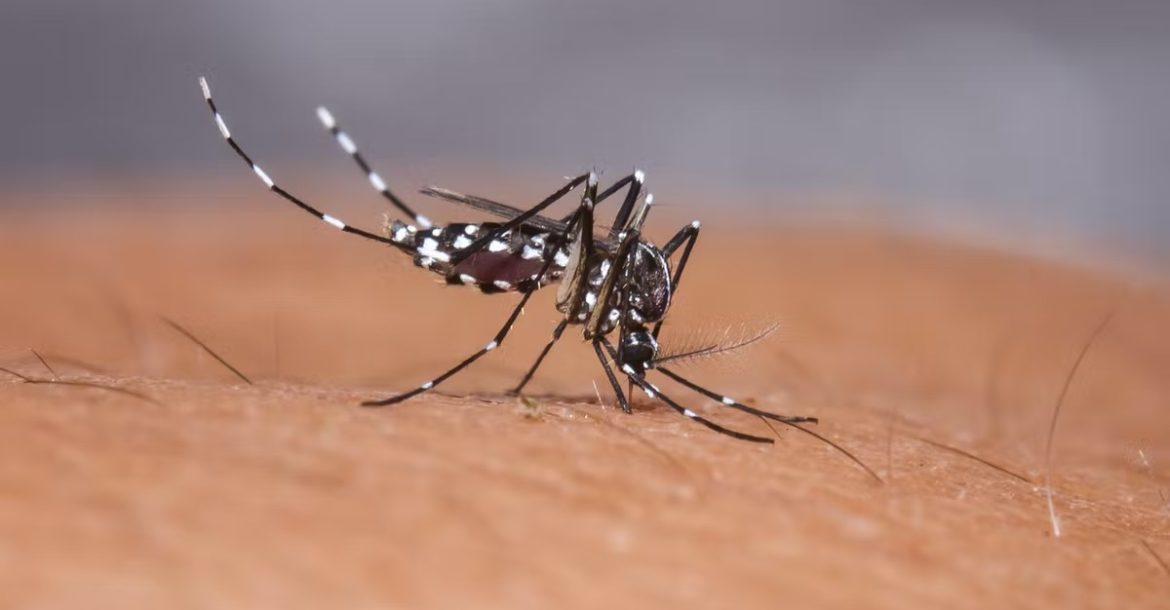

MUSCAT: The ministry said dengue fever is associated with particular seasons and climatic conditions that favour the breeding of disease-carrying mosquitoes, including high temperatures, humidity and stagnant water, particularly during the rainy season.
Despite these conditions, the current situation in Oman does not indicate a surge in dengue fever cases, the ministry said.
Dengue fever is a viral disease transmitted through the bite of an infected Aedes aegypti mosquito. In severe cases, the disease can lead to haemorrhagic complications.
Common symptoms include high fever, headaches, muscle and joint pain, nausea or vomiting, loss of appetite, skin rash and extreme fatigue.
The Ministry of Health stressed that prevention begins with reducing mosquito breeding sites. Residents are encouraged to regularly clean and empty water containers, change water in fountains and swimming pools, and clean animal and bird waterers thoroughly.
The ministry also advised residents to keep water tanks tightly covered, dispose of used tyres and damaged cans and household items, and remove stagnant water and debris from around homes.
Read More
- Oman to mark autumnal equinox on September 23
- No respite from heat as temperatures hit 45.1°C in Oman
- Muscat Municipality urges public action to prevent sewage leaks, protect health
- Oman Customs catches infiltrator hidden beneath car seats at Al Rawdah border
- Oman Coast Guard arrests six over alleged illegal entry, tobacco smuggling in Dhofar





