
MUSCAT: Oman’s consumer prices rose 3.2% in July from a year earlier, as the cost of food, transport and personal goods increased, according to data from the National Centre for Statistics and Information (NCSI).
Food and non-alcoholic beverages, one of the main components of household spending, recorded the biggest annual increase at 7.3%. Transport prices rose 6.5%, while miscellaneous personal goods and services increased 5.3%.
Restaurants and hotels were 3.6% more expensive than a year earlier, while prices for furniture, household equipment and routine home maintenance rose 3.1%. Education costs increased 2.2% and healthcare prices gained 1.7%.
Read More
- Indian crew injured in MT On Peace attack recovering in Oman, embassy says
- Oman, Italy discuss tourism cooperation to boost visitor numbers
- Oman’s Urban October event draws over 60,000 visitors, records more than 230 deals
- Oman condemns Saudi airport attacks, urges restraint
- Oman convenes global experts to advance AI innovation in mental healthcare
Housing, water, electricity, gas and other fuels bucked the broader increase, declining 0.6%. Prices for communications, tobacco, clothing and footwear were unchanged from July 2025.
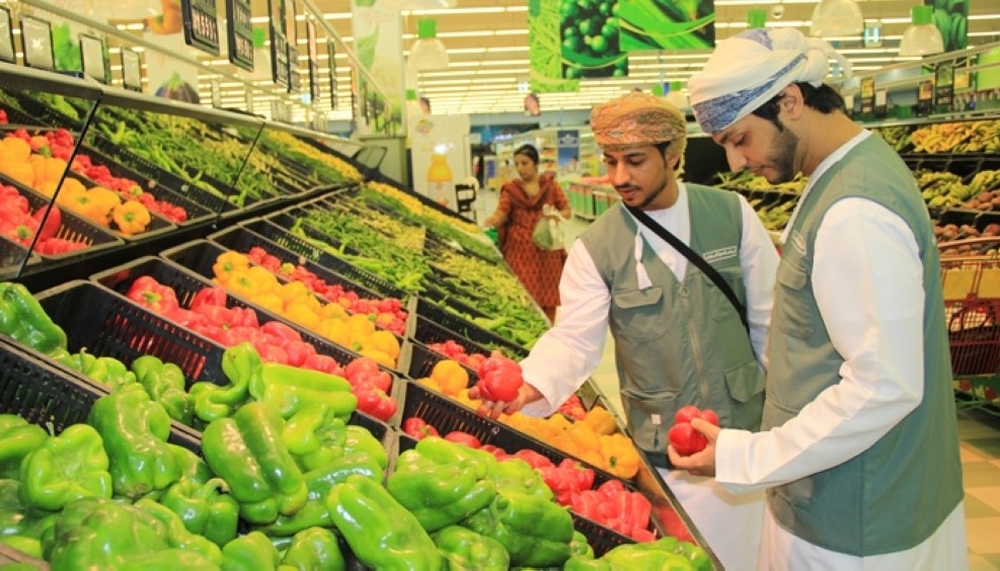
Food prices showed some of the steepest increases. Vegetable prices surged 19.9% year-on-year, while fruit prices jumped 15.8%. Meat was 8.7% more expensive and fish prices rose 5.7%.
Non-alcoholic beverages increased 3.3%, while sugar, jam, honey and sweets rose 2.4%. Milk, cheese and eggs were up 2.2%, other food products 2.1%, bread and cereals 1%, and oils and fats 0.5%.
Inflation varied across Oman’s governorates, with Al Dhahirah recording the highest annual rate at 4.4%, followed by Al Dakhiliyah at 3.7%.
Muscat and Al Wusta each recorded inflation of 3.4%, while South Al Sharqiyah and Musandam stood at 3%.
Inflation was 2.8% in Al Buraimi, 2.5% in both North Al Batinah and North Al Sharqiyah, and 2.4% in South Al Batinah.
Dhofar recorded the lowest annual inflation rate among the governorates at 2.1%.





