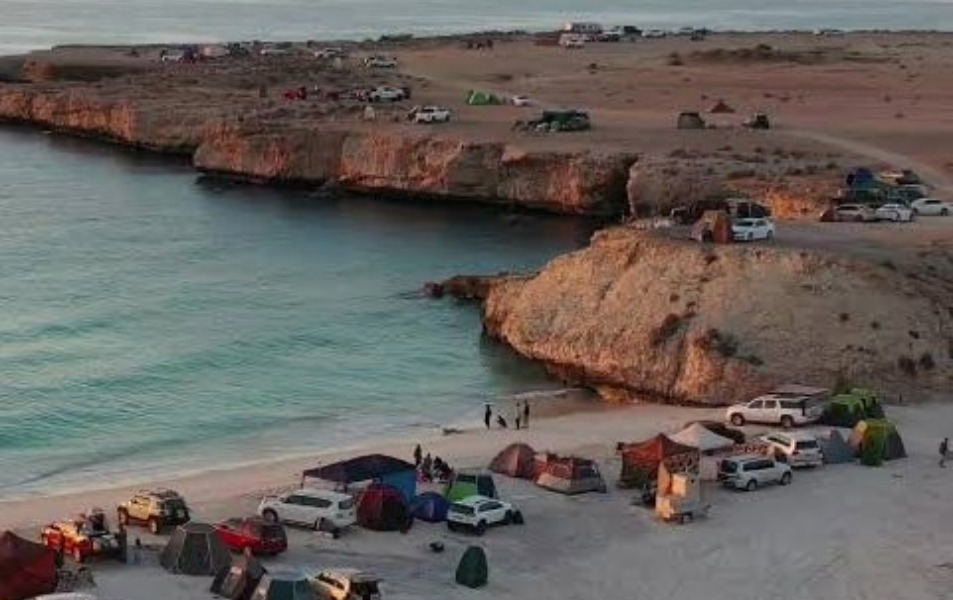

MUSCAT : Oman’s diverse landscape has emerged as a natural refuge for youth looking for periods of calm away from the pressures of city life and screens. Camping, hiking, recreation and quiet retreats in cooler and remote areas are increasingly being viewed not simply as leisure activities, but as ways to restore psychological balance and inner peace.
Badriya bint Hamad Al Mushrafi, a researcher in citizenship issues, said Omani society largely accepts young people’s need for temporary isolation amid professional, personal, family, health, psychological and economic pressures.
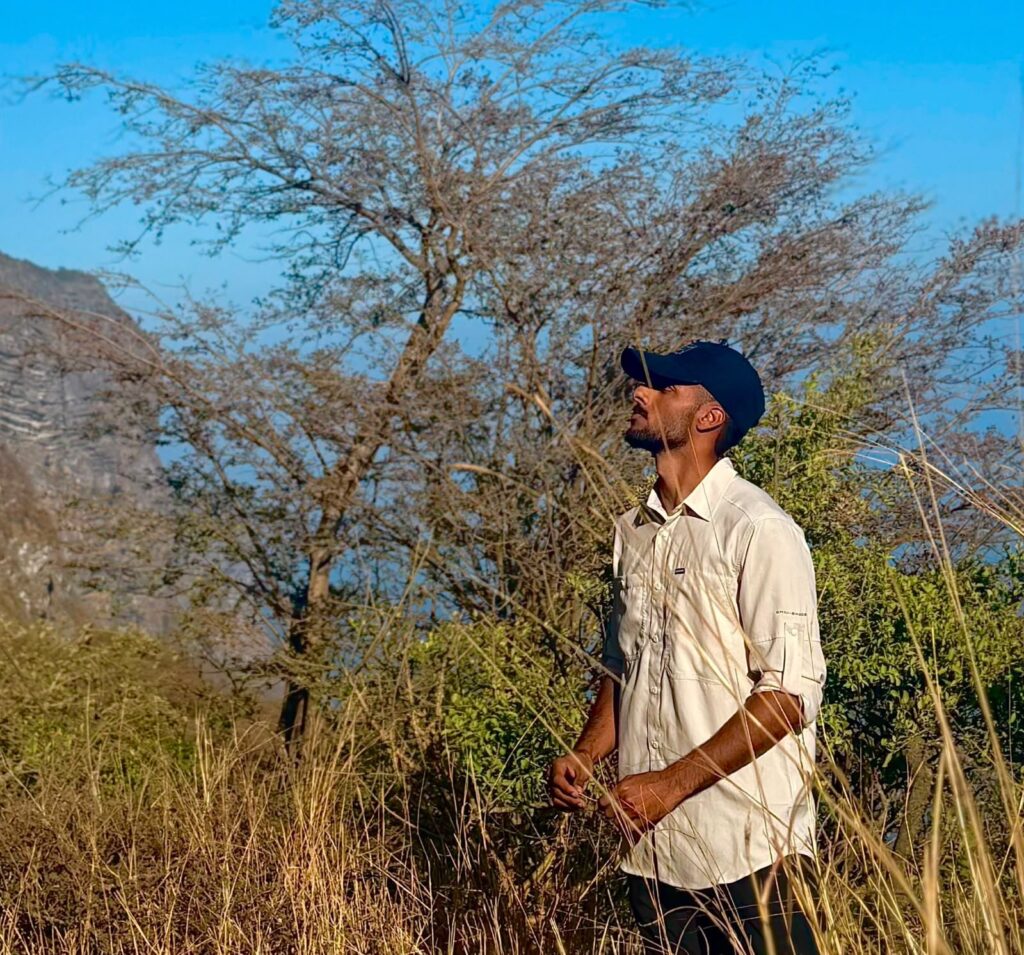
She described solitude as a potentially healthy practice when used to renew psychological, spiritual and physical energy through activities such as reading, writing, sports and spending time amid Oman’s mountains, plains, seas and deserts.
Read More
- His Majesty Sultan Haitham concludes state visit to Kazakhstan
- Oman, Kazakhstan seal $150 million fund and energy deals during His Majesty’s visit
- India condemns attack on commercial vessel off Oman, 12 crew injured
- Oman and India renew maritime security pact to safeguard navigation routes
- Oman, Pakistan discuss cooperation in food security and agriculture
However, she stressed that such retreats should be purposeful and planned. Young people, she said, should determine the objective and duration of their time away, reduce digital distractions such as phones and social media, and fill the period with meaningful hobbies and activities.
Al Mushrafi said learning to seek calm, inner peace and positivity has become an important life skill for young people, particularly in an increasingly fast-paced world.
She also highlighted how Oman’s heritage and geography naturally encourage reflection and connection with the land. From long sailing and diving trips to spending time in the desert beneath the stars, the Sultanate offers environments that allow people to disconnect temporarily and experience tranquillity.
She added that maintaining a balance between social responsibilities and personal quiet time can help prevent “social burnout”, reduce stress and exhaustion, and improve happiness, motivation and professional performance.
Reem bint Hamad Al Rawahi, a psychological counselling and guidance specialist, said temporary detachment from digital stimuli can support mental health, particularly as people are exposed to a constant stream of notifications and information.
According to Al Rawahi, continuous digital stimulation can increase the cognitive burden on the brain and keep the nervous system in a prolonged state of alert, potentially affecting concentration, emotional regulation and decision-making.
She said many young people, particularly university students, may not necessarily be overwhelmed by responsibilities themselves, but by the sheer number of stimuli surrounding them.
Spending time in peaceful natural surroundings, she explained, can help reduce cognitive fatigue, restore concentration and improve mental clarity. Temporarily distancing oneself from screens can also create an opportunity to reorganise thoughts and cope with pressure more effectively.
However, Al Rawahi warned of an important distinction between healthy solitude and harmful social withdrawal.
Positive isolation, she said, allows a person to calm down, reflect and return to their responsibilities with renewed energy. Negative isolation, on the other hand, can involve withdrawing from relationships and activities to avoid problems, potentially leading to loneliness, reduced motivation and a weaker sense of belonging.
Warning signs may include neglecting studies or work, distancing oneself from family and friends, or losing interest in previously enjoyable activities. In such cases, she said, professional psychological support may be needed.
Regular screen breaks, physical activity, time in nature and maintaining supportive relationships can all contribute towards healthier psychological balance, Al Rawahi added.
“Inner peace is not a destination,” she said, but rather a lifestyle developed through conscious and consistent practices that help people maintain balance despite changing circumstances.
Abdullah bin Yousef Al Balushi, a trainer and technical content creator, said completely abandoning digital platforms is neither practical nor necessary because technology has become integral to education, employment and communication.
Instead, young people should build a healthier relationship with technology by reviewing their weekly screen time, identifying apps that consume excessive time and setting realistic limits.
He said sports, reading, face-to-face interaction and hobbies can restore a person’s awareness of time and provide genuine experiences beyond the screen.
For content creators in particular, he said, life outside the internet should not be viewed as an obstacle to productivity, but as an important source of experiences, ideas and stories.
“Digital maturity” means using technology as a tool rather than allowing it to control everyday life, he added.
Jihad Khalid Al Farsi, who is interested in wildlife, said Oman’s exceptional geographical diversity — ranging from mountains and deserts to wadis, coastlines, plains and seasonal greenery — provides young people with ideal spaces for relaxation and contemplation.
Such environments, he said, can help people temporarily step away from urban and digital pressures, restore mental clarity and renew their energy.
Al Farsi also urged young people to ensure that their return to nature is environmentally responsible.
He advocated the principles of responsible tourism and “zero impact”, including taking waste back after camping, avoiding damage to trees and wildlife, respecting breeding areas, using permitted camping locations and following instructions issued by the relevant authorities.
He stressed that Oman’s natural environment should not merely be treated as a temporary escape from stress, but as a living ecosystem that people have a responsibility to protect.
For all the latest news from Oman and GCC, follow us on Twitter, Instagram and LinkedIn, like us on Facebook and subscribe to our YouTube page, which is updated daily.





