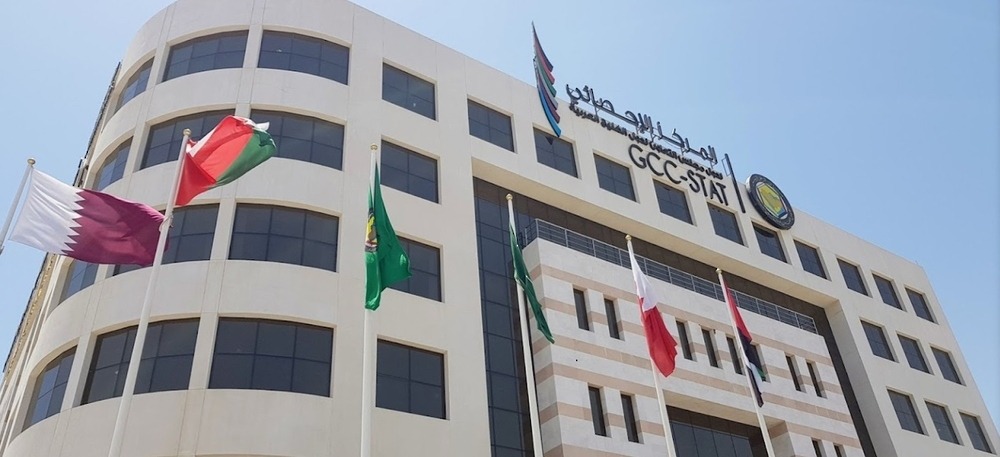

MUSCAT – The Guide seeks to provide a unified statistical framework for measuring and monitoring the implementation of the aforementioned strategy. It focuses on enhancing the accuracy and comparability of data among the GCC states with a view to supporting policymaking and evidence-based decision-making.
Unifying the metadata (descriptive data) for these indicators aims to build an integrated database on the status quo of drugs in GCC states. It also helps weigh the impact of preventive, therapeutic and security policies and boost GCC states’ integration and ability to combat this cross-border phenomenon.
It is worth noting that the “Index of Treatment, Rehabilitation and Social Integration Services” measures the percentage of individuals who actually receive treatment, rehabilitation or social integration services. This index, issued annually, reflects the readiness of health and social systems to deal with drug abuse.
To assess the impact of drugs abuse on public health, the Index calculates the percentage of deaths resulting from drug abuse through the death rate per 100,000 people.
Read More
- His Majesty Sultan Haitham concludes state visit to Kazakhstan
- Oman, Kazakhstan seal $150 million fund and energy deals during His Majesty’s visit
- India condemns attack on commercial vessel off Oman, 12 crew injured
- Oman and India renew maritime security pact to safeguard navigation routes
- Oman, Pakistan discuss cooperation in food security and agriculture





