
MUSCAT: A total of 403 work-related injuries were recorded in Oman’s private sector in 2025, as the General Federation of Oman Workers (GFOW) raised concerns over occupational safety breaches and working conditions, particularly in the construction industry.
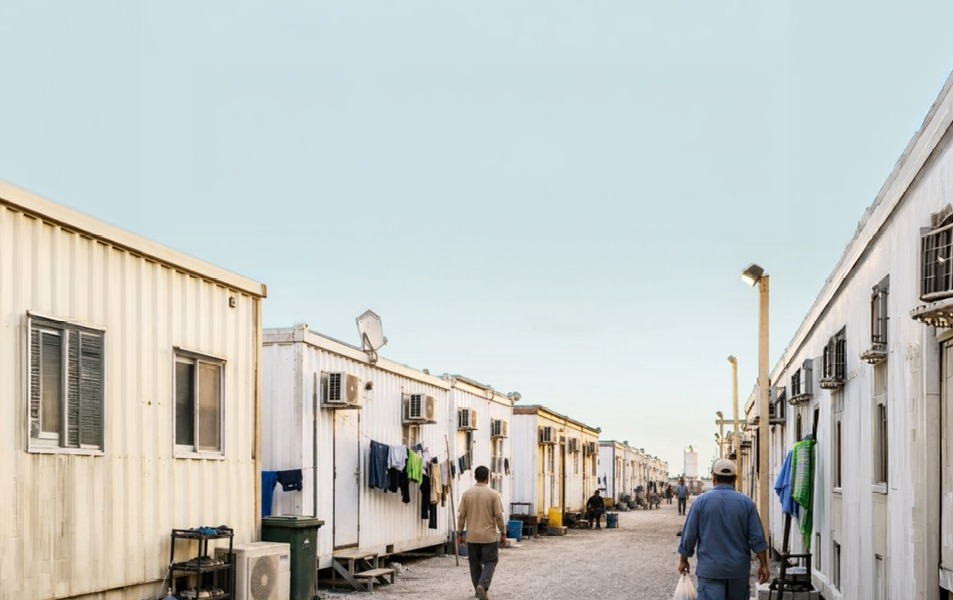
An investigation published by the federation’s magazine highlighted a range of complaints involving inadequate worker accommodation, insufficient personal protective equipment, breaches of occupational safety requirements and violations of the summer midday work ban.
The investigation identified construction as one of the sectors with the highest exposure to occupational hazards, given the nature of outdoor work and the need for stringent preventive and safety measures.
Read More
- Oman reviews efforts to reduce risks from grounded ship off Hallaniyat Islands
- 15 arrested in Dibba for illegal entry into Oman
- His Majesty Sultan Haitham awarded Kazakhstan’s highest state honour
- Oman firefighters battle mountain fire in Wadi Al Sahtan
- Oman’s Health Ministry issues seasonal flu advisory as weather fluctuates
Ibrahim bin Abdullah Al Gharibi, Acting Director of the Trade Union and Labour Services Department at GFOW, said the federation had received numerous complaints from workers and trade unions related to occupational safety and health.
Among the issues reported were unsuitable worker accommodation, failure by some employers to meet safety standards and the absence of essential facilities such as safe drinking water, toilets, rest areas and appropriate places for workers to sleep and eat.
Complaints also included employers failing to comply with restrictions on outdoor work during the hottest hours of the summer.
Al Gharibi said GFOW has coordinated with the Ministry of Labour in addressing such cases, with legal action taken against establishments found to have violated the requirements.
Daoud bin Sulaiman Al Ghafri, head of the Occupational Safety Department at the Ministry of Labour, said authorities deal strictly with occupational safety and health complaints, with particular attention given to the construction sector.
Ministry inspectors conduct site visits to assess compliance by both employers and workers, while inspections are carried out periodically, selectively and in response to complaints. Occupational safety and health departments also operate across Oman’s governorates.
The ministry conducts awareness campaigns focusing on heat stress and construction-related hazards and provides channels through which workplace risks and violations can be reported.
According to the investigation, inspectors have identified shortcomings among some small and medium-sized establishments, including the absence of preventive and awareness programmes related to the midday work ban, failure to ensure the use of personal protective equipment and a lack of trained supervisors capable of responding to heat-stress incidents.
Oman’s Labour Law, issued under Royal Decree No. 53/2023, provides the legal framework governing occupational safety and health in private-sector establishments.
Employers are required to inform workers about occupational hazards before they begin their duties, provide appropriate training and preventive measures, and display safety instructions prominently in a language understood by employees.
They must also provide suitable personal protective equipment, including safety footwear, helmets and fall-protection harnesses where required, alongside basic medical and health care.
For construction and other outdoor work in exposed areas during periods of high temperatures, workers cannot be employed between 12:30 pm and 3:30 pm during June, July and August.
Safety requirements also extend to construction, excavation and demolition activities, including standards for scaffolding and ladders, measures to prevent structural collapse and safeguards against other hazards at worksites.
GFOW’s investigation said improving workplace safety requires more than compliance with regulations and the provision of equipment. It also requires stronger worker awareness, effective training, adequate supervision and a broader culture of occupational safety.
Challenges identified in the report included differences in workers’ backgrounds and cultures, the absence of dedicated safety supervisors at some small and medium-sized businesses, inadequate monitoring by some employers and instances in which workers themselves failed to follow prescribed safety procedures.
The federation also underlined the role of trade unions in educating employees about their legal rights and safety responsibilities, providing relevant training and reporting workplace violations to the Ministry of Labour.





