
MUSCAT : Duqm Summer Series (DSS) is a new annual program of business conversations created for women living and working in Duqm. Its first edition, Women Leading Change brings together 12 Omani women from business, government and academia over three evenings to explore artificial intelligence, leadership and the commercial influence of culture.
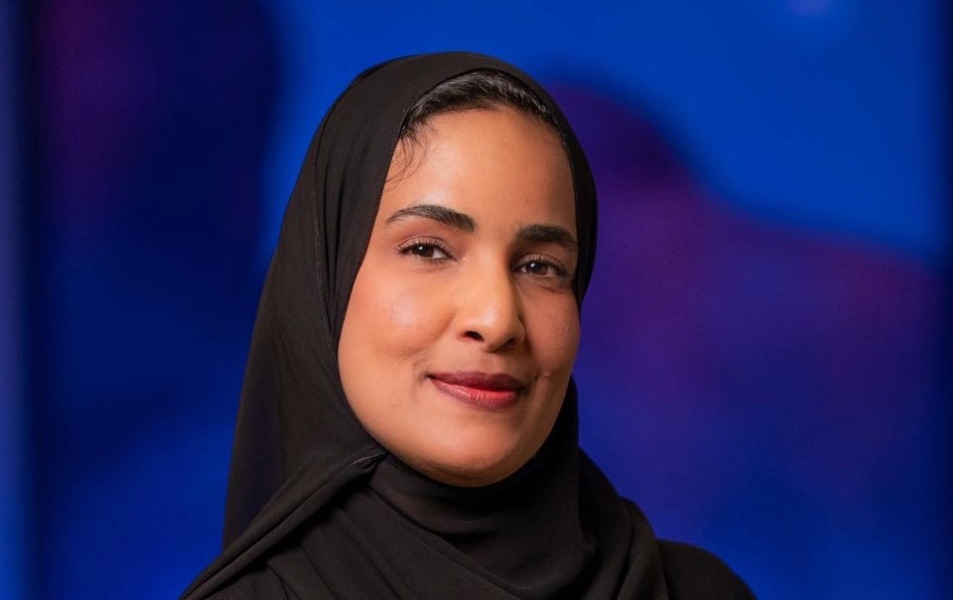
As SEZAD’s online media partner for DSS, The Arabian Stories brings readers this conversation with Hanan Al Siyabi, Head, Tourism & Lifestyle Section at SEZAD about why the series was created, why it’s designed for women and how it reflects the next stage of Duqm’s development.
Why did SEZAD decide to create Duqm Summer Series?
Read More
- Oman eases upfront fee payments for business registration services
- Oman launches 13 investment opportunities worth OMR 122.8 million
- Oman wholesale and retail sector grows 5% to RO 1.735 billion
- Oman money supply jumps 28% as banking indicators strengthen
- HDFC Bank appoints Anup Bagchi as MD & CEO for three years; RBI gives approval
The idea grew out of Duqm Now and the evening sessions held with interns and mentors during the SEZAD – SQU Summer Internship Program in June. The conversations went beyond projects and investment, with women talking openly about their work, careers and the decisions they were facing. We realized there was room for a series that gave those discussions a place of their own and brought forward the voices of women building businesses and careers in Duqm.
Why is SEZAD organizing a series like this?
Because Duqm’s next stage of development will depend as much on talent as it does on infrastructure and investment. Women already make up 41% of the global industrial workforce, although remain underrepresented in technical and leadership roles. DSS responds to that gap by giving women working across Duqm a place to exchange experience, strengthen professional networks and talk openly about career progression and leadership. For SEZAD, that’s part of building the skilled business community Duqm needs as it grows.
What did women tell you they wanted from the series?
They wanted a series shaped by the experiences and questions women in Duqm are already bringing to their work. The audience will include women dealing with these issues every day, so their perspectives will be an important part of each panel. They also wanted more opportunities to meet others working across SEZAD and the surrounding community. Colleagues can spend years working close to one another without crossing paths, particularly when they’re in different companies or sectors. Hopefully, DSS will help them exchange experiences, build relationships and discover more about the work taking place around them.
Why did you decide DSS should be led by women?
Because the idea came from women working in Duqm. They wanted an event where they could discuss their work openly, hear different perspectives and meet women whose careers had taken different directions. Women accounted for nearly 62% of higher education graduates last year. That’s really encouraging but statistics only tell just part of the story. We’re more interested in the careers behind the numbers – the decisions women are making and the experience they’re gaining as they take on greater responsibility. That’s what DSS is really about.
What were you looking for when choosing panelists?
In a word, experience. A job title gives you only part of the picture, it doesn’t tell you which decisions someone’s made, the setbacks they’ve overcome or what they’ve learned along the way. We deliberately brought together women from different backgrounds because different perspectives make for better discussions. We weren’t looking for four variations of the same answer. We wanted experiences that would challenge one another and give the audience something to think about.
How did you settle on the three DSS themes?
AI came up time and time again because organizations are already deciding where it can help them work smarter and more effectively. Leadership emerged because everyone eventually reaches a point in their career where circumstances change and decisions have to be made without having every answer. Culture followed because businesses are judged not only by what they produce but also by the experience they create for customers and employees. These are the issues professionals across Duqm are dealing with every day.
Panelists agreed to take part in just over 48 hours. Did that surprise you?
It certainly did. We drew up a shortlist of women whose experience would bring something special to the table. Twelve accepted almost immediately. We’d expected diaries to make the process much slower. Instead, the response told us we’d hit on something people wanted to be part of. Panelists weren’t invited to deliver formal presentations, they were invited to share their experience and have an honest conversation with other women working in Duqm.
What does DSS tell us about Duqm today?
Ten years ago, most of our attention was on building SEZAD and attracting investment. People came to Duqm to work on major infrastructure projects before moving elsewhere. Today, more young professionals are building long-term careers here. Companies are growing, responsibilities are changing and Duqm’s becoming a lively business community. That changes the conversations taking place. Investment will always matter but so do leadership, careers, innovation and the relationships that help a community grow. I don’t think DSS could have happened in quite the same way 10 years ago. It reflects how Duqm itself is changing.
What happens next?
We’ll listen carefully to the women who take part. The DSS program will obviously evolve, new topics will emerge and we’ll continue building on what attendees find most valuable. If people are still talking about something they heard the following day or they’ve made a connection that leads to another conversation or collaboration we’ll know DSS is doing exactly what we hoped it would.





