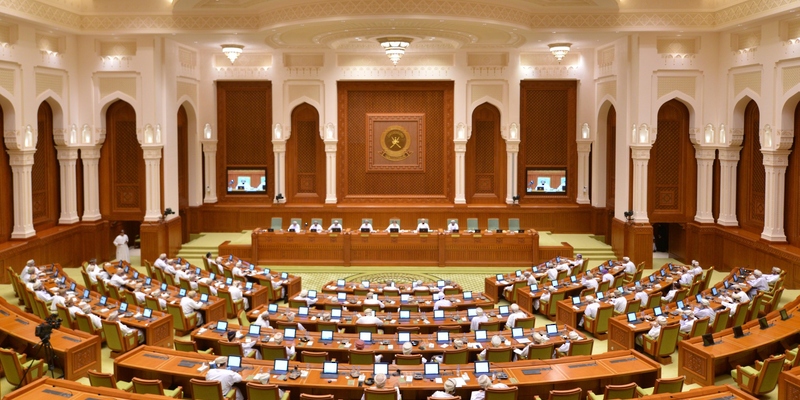

MUSCAT : Oman’s Shura Council has raised concerns over the economic and social impact of the Ministry of Labour’s new labour market regulations, particularly on small and medium enterprises (SMEs), self-employed individuals and the cost of doing business in the Sultanate.
During a session attended by His Excellency Dr Mahad bin Said Ba’owain, Minister of Labour, council members scrutinised the implementation of Ministerial Decision No. 602/2025 governing labour authorisations and work permits, along with amendments introduced under Ministerial Decision No. 44/2026.
The discussions focused on whether fees and penalties imposed on companies that fail to meet Omanisation targets adequately reflect the realities faced by smaller businesses. Members questioned whether the regulatory framework could place additional financial burdens on SMEs, which are widely regarded as a key driver of economic growth, entrepreneurship and job creation.
Read More
- Oman records highest temperature of 46.2°C
- Heavy rain and hail lash Oman’s Al Buraimi, triggering wadi flows
- Honourable Lady visits Omani Women’s Association in Salalah
- Oman Foreign Minister holds talks with Tunisia, Brunei on bilateral ties and global developments
- Oman, Kazakhstan review bilateral ties and regional developments
Council members also sought clarification on the rationale behind restrictions related to the recruitment of certain nationalities, raising concerns over the potential impact on operating costs and workforce availability across various sectors.
Several members stressed the importance of adopting labour policies that support private sector growth while maintaining labour market objectives. They called for measures that reduce production costs, improve business competitiveness and ensure the long-term sustainability of SMEs.
The debate further examined the broader implications of the regulations on investment attractiveness, business expansion and employment generation, with members emphasising the need to strike a balance between labour market regulation and economic sustainability.
Responding to the concerns, the Minister of Labour said the regulations were introduced to strengthen the labour market framework, improve compliance with national employment policies and support the creation of more job opportunities for Omani nationals. He noted that establishments have been granted a grace period to regularise their status and that preliminary indicators show an increase in compliant businesses while new enterprises continue to enter the market.
The session also reviewed the regulations’ impact on job seekers, business costs, foreign worker recruitment controls and the effectiveness of Omanisation-linked incentives and penalties in achieving national employment goals.
For all the latest news from Oman and GCC, follow us on Twitter, Instagram and LinkedIn, like us on Facebook and subscribe to our YouTube page, which is updated daily.





