
MUSCAT – The average inflation rate during the period from January to May 2026 also recorded an increase of 2.8 percent.
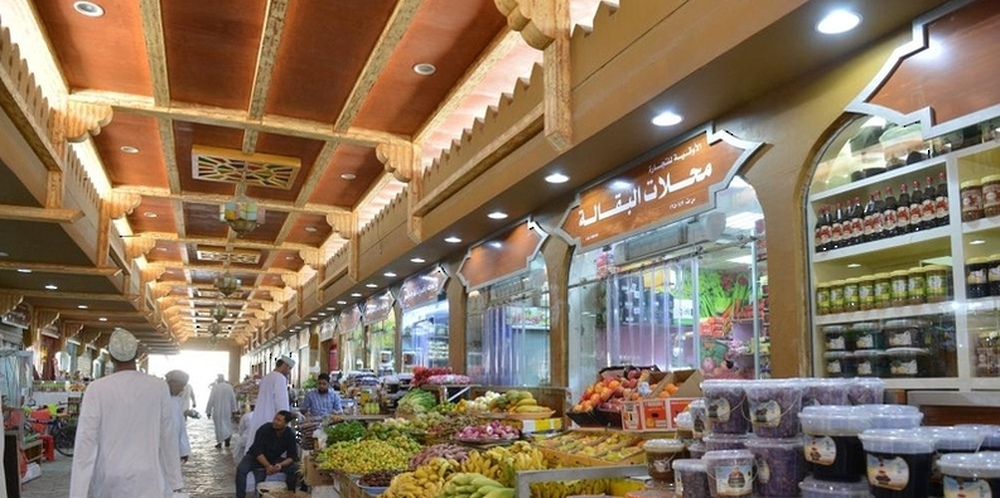
The data showed that the miscellaneous personal goods and services group recorded the highest price increase at 9.6 percent, followed by transport at 9.2 percent, and food and non-alcoholic beverages at 6.6 percent.
The restaurants and hotels group increased by 4.7 percent, while furniture, furnishings, household equipment and maintenance rose by 3.1 percent. Education prices increased by 2.2 percent, followed by health services at 1.8 percent.
Read More
- Nepal Embassy steps up labour awareness for workers in Oman
- Oman police arrest 17 for illegal entry in Musandam
- Oman, Germany discuss restoring navigation in Hormuz, Red Sea
- Oman targets bigger Russian market as 16 firms showcase products in Moscow
- Salalah Airport handles nearly 687,000 passengers during Oman’s Khareef 2026
Prices in the culture and entertainment group saw a marginal rise of 0.3 percent, while clothing and footwear, communications and tobacco prices remained largely stable. Meanwhile, the housing, water, electricity, gas and other fuels group declined slightly by 0.3 percent.
Within the food and non-alcoholic beverages category, vegetable prices recorded the highest increase at 24.9 percent, followed by fruits at 16.7 percent and meat at 5.1 percent.
Prices of non-alcoholic beverages rose by 3.6 percent, while milk, cheese and eggs increased by 2.6 percent, and sugar, jam, honey and sweets rose by 2.5 percent.
The data also showed variations in inflation rates across Oman’s governorates. Al Dhahirah Governorate recorded the highest increase at 4.8 percent, followed by Al Dakhiliyah at 4.4 percent and Muscat Governorate at 4.2 percent.
Inflation increased by 3.9 percent in Al Buraimi, 3.5 percent in Al Wusta, and 3.4 percent in both South Al Batinah and Musandam. North Al Sharqiyah and South Al Sharqiyah recorded 3.2 percent, while North Al Batinah and Dhofar registered the lowest increases at 2.3 percent.





