
Muscat: Amina bint Nasser Al Sharji, Director of the Investment Promotion Department at OPAZ, said the authority is implementing a strategy aimed at creating specialized economic and industrial identities for each zone based on its unique strengths and available resources. The approach is designed to attract both local and foreign investments while increasing the industrial sector’s contribution to the national economy.
Al Sharji noted that the Salalah Free Zone and Raysut Industrial City are focusing on attracting investments in medical and pharmaceutical manufacturing, as well as industries linked to food security. Their proximity to the Port of Salalah provides significant advantages for importing raw materials and exporting finished products to regional and international markets.
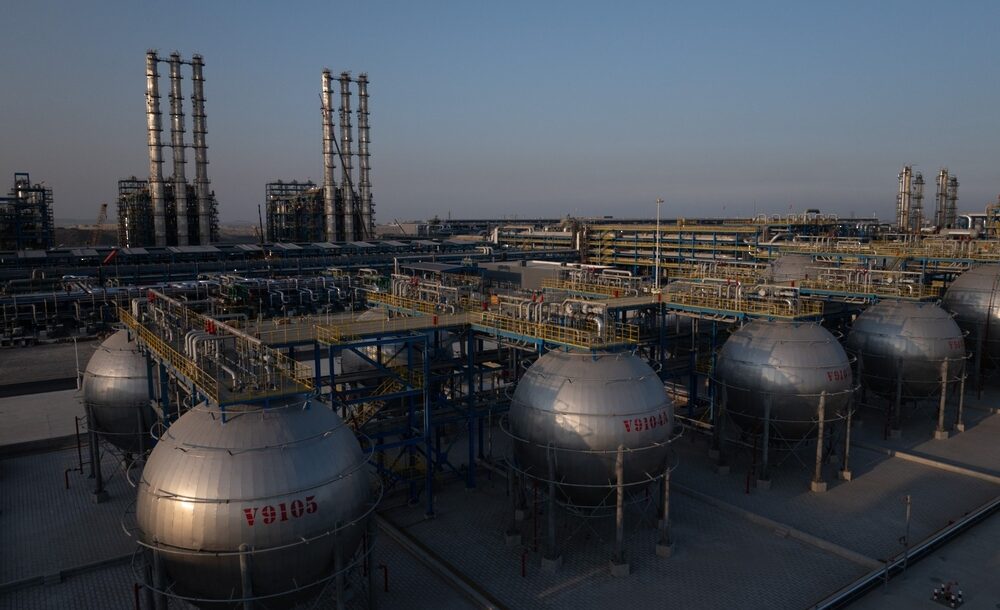
In the Special Economic Zone at Duqm, OPAZ is advancing future-oriented industries aligned with global sustainability trends. These include green hydrogen, green ammonia, renewable energy, iron production and petrochemicals. The authority is also working to strengthen supply chains to position Duqm as a regional hub for sustainable industrial development.
Read More
The fisheries and food industries sector is another key focus area in Duqm. Leveraging the region’s rich marine resources and logistics capabilities, OPAZ is developing an integrated cold-chain economic cluster to improve storage and distribution for temperature-sensitive products, enhancing the value of food and fisheries industries.
Meanwhile, the Sohar Free Zone is concentrating on the polysilicon industry and renewable energy manufacturing, supporting projects that build integrated value chains from raw materials to advanced production. At the same time, Sohar Industrial City is strengthening its plastics and downstream aluminium sectors through advanced infrastructure and industrial integration.
Al Sharji added that Khazaen Economic City is witnessing the establishment of pharmaceutical-related factories and a growing food industries cluster supported by major investments in logistics and infrastructure. Key projects include the central fruits and vegetables market, aimed at strengthening food security and creating new opportunities in food manufacturing.
She emphasized that industrial sectors remain one of the primary drivers for attracting investment, supported by advanced infrastructure, logistics services, competitive incentives and strategic access to ports, airports and international markets.
According to Al Sharji, sectors such as medical and pharmaceutical industries, green hydrogen, renewable energy, green minerals, food and fisheries industries, and petrochemicals are gaining increasing global importance due to their role in supporting the transition to a green economy, strengthening food and health security and advancing sustainable development.
She affirmed that infrastructure and service development across Oman’s special economic zones, free zones and industrial cities is being implemented through an integrated vision tailored to the priorities of each region.





