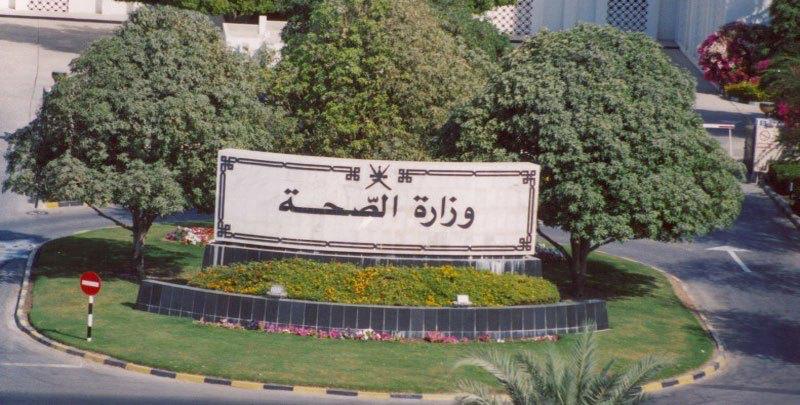

MUSCAT – The Ministry has urged the public to follow strict preventive measures to protect themselves from CCHF, a viral disease transmitted through infected ticks or contact with the blood and tissues of infected animals.
In an awareness advisory issued ahead of the Eid holidays, the ministry stressed the importance of slaughtering animals at approved abattoirs and adhering to health and safety precautions while handling livestock and meat.
The ministry advised people involved in slaughtering to wear protective clothing, including long gloves, boots and protective goggles, especially if slaughtering outside authorised facilities is unavoidable.
Read More
- Oman targets 30% local health manufacturing in three years and cut reliance on imports
- Oman and UK discuss bilateral ties, regional developments in Muscat
- Two expats arrested in Muscat over human trafficking, exploitation of woman
- Oman Meteorology issues thunderstorms, hail alert across Hajar Mountains and nearby areas
- Muscat Municipality urges safe use and disposal of detergents and pesticides
It also warned against touching or crushing ticks with bare hands or attempting to remove them directly from animals without protection.
The ministry called for proper disposal of slaughter waste in sealed trash bags and designated dumping areas to reduce the risk of infection and environmental contamination.
As part of food safety measures, the ministry urged residents to cook meat thoroughly and avoid consuming raw meat or organs such as liver and spleen.
According to the ministry, symptoms of Crimean-Congo Haemorrhagic Fever include fever, headache, muscle pain, nausea, diarrhoea and bleeding from the mouth, eyes or ears.
The ministry advised anyone who develops symptoms after handling animals to seek immediate medical attention at the nearest healthcare facility.





