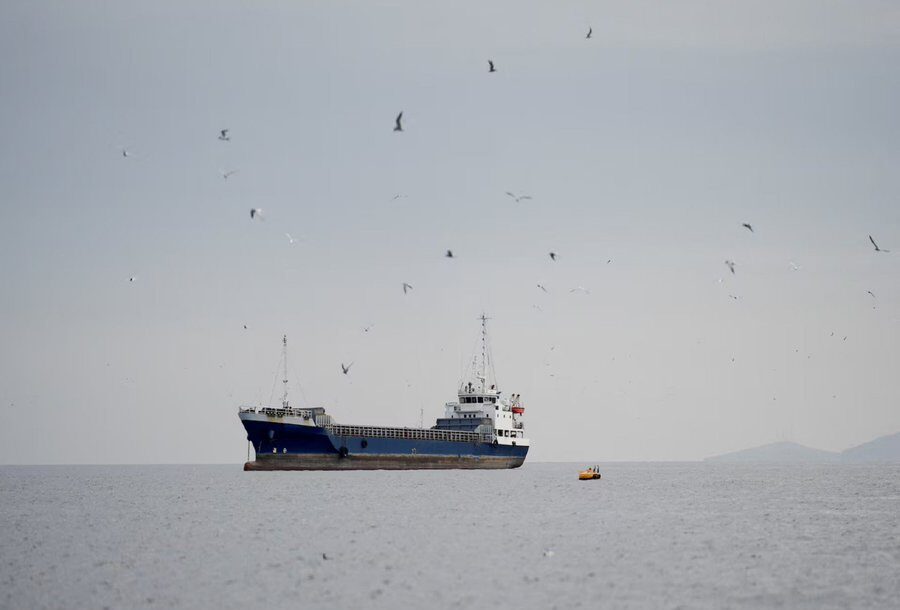

Jakarta: According to TankerTrackers.com, the Very Large Crude Carrier (VLCC) named “HUGE,” operated by the National Iranian Tanker Company, transported over 1.9 million barrels of crude oil undetected. The vessel was last spotted near Sri Lanka more than a week ago and is currently believed to be moving through Indonesia’s Lombok Strait toward the Riau Archipelago.
The tanker reportedly stopped transmitting signals on its Automatic Identification System (AIS) after March 20, following its departure from the Strait of Malacca toward Iran. The development aligns with claims by Iranian state media that at least 52 ships have successfully breached the US-led blockade in recent weeks.
However, US officials, cited by Al Jazeera, maintain that the blockade remains effective, asserting that Iran has lost billions in oil revenue and is struggling to sustain exports. Washington claims the restrictions are forcing Tehran to store excess oil, potentially halting production once storage capacity is reached.
Read More
- IndiGo cancels Riyadh flights until October 31, 3 other Saudi routes until October 27 amid evolving security situation
- UAE closes all beaches in Umm Al Quwain after tanker oil spill detected
- Earthquake of Magnitude 7.0 Strikes Tibet; 16 Dead, 32 injured
- Nigeria reports first imported Ebola Bundibugyo case in Abuja: WHO
- US midterm voting begins in Texas as Democrats target historic gains
Highlighting ongoing enforcement efforts, United States Central Command confirmed that the USS New Orleans (LPD-18) is actively operating in the Arabian Sea. The command stated that 48 vessels have been redirected over the past 20 days to ensure compliance with the blockade, which specifically targets Iranian ports and coastline, not key global routes like the Strait of Hormuz.
Amid rising tensions, US President Donald Trump said he is reviewing a new proposal from Iran aimed at ending the conflict, though he expressed skepticism over its viability. The proposal, reportedly a 14-point plan sent via Pakistan, counters an earlier US framework but has not been officially detailed by Iranian state media.
While diplomatic channels remain open and a ceasefire enters its third week, tensions persist over the Strait of Hormuz, a critical chokepoint through which nearly 20 percent of global oil and gas trade flows. The US has warned shipping companies against paying Iran for safe passage, cautioning that such transactions, including digital assets or indirect payments, could trigger sanctions.





