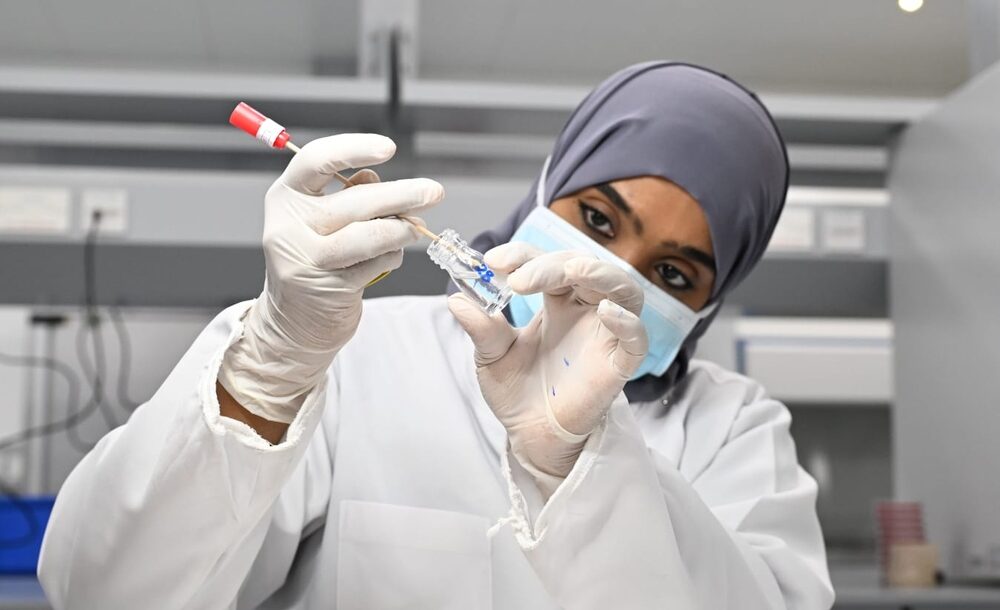

MUSCAT – The occasion highlights the importance of coordinated efforts to combat malaria, raise awareness on prevention, and strengthen health programmes aimed at eliminating the disease.
The Ministry of Health said it continues to implement advanced and integrated malaria control measures in line with World Health Organization (WHO) strategies, particularly the Global Malaria Strategy 2016–2030, which focuses on eliminating transmission, reducing mortality, and strengthening surveillance and response systems.
According to health data, Oman is in the final stages of meeting the requirements for WHO certification of malaria elimination. The country has successfully halted local malaria transmission since 2015, a milestone that reflects the effectiveness of its health system, with no locally acquired cases reported since then.
Read More
- Oman, Iran agree framework for safe shipping corridor through Strait of Hormuz
- Thunderstorms, strong downdraft winds sweep parts of Oman
- Saudi Crown Prince sends written message to His Majesty Sultan Haitham
- Oman FM arrives in Tehran, discusses safe passage of ships through Strait of Hormuz
- CPA seizes 1,668 soft drinks, 177 expired juice cans in Oman
The Ministry is currently implementing a revised national plan titled the ‘National Strategy for Prevention or Re-establishment of Malaria Transmission’. The strategy focuses on strengthening epidemiological surveillance, classifying cases, tracing infection sources, and ensuring rapid detection and treatment to prevent further spread. It also includes continued provision of free treatment for all nationalities, enhanced outbreak preparedness, and sustained vector control efforts, including insect monitoring.
Officials said all recorded malaria cases in Oman are imported. The country registered 380 imported cases in 2024 and 261 in 2025, most originating from malaria-endemic countries. These cases are managed under strict national protocols ensuring early diagnosis, immediate treatment, and prevention of local transmission.
The Ministry of Health has also expanded preventive measures, including early detection systems, free treatment, prophylactic medication for travellers to affected countries, and programmes to reduce mosquito breeding sites.
Oman follows updated treatment protocols aligned with WHO guidelines, which are regularly reviewed to ensure high standards of diagnosis, treatment, and disease control.
Authorities stressed that sustaining malaria-free status requires continued community awareness, noting that the presence of disease vectors and parasites means the risk of reintroduction remains. Public cooperation, they said, is essential to maintaining progress.
The Ministry urged residents to support vector control teams, eliminate stagnant water and waste, regularly clean agricultural basins, and use protective measures such as window screens and insecticides when necessary. It also advised expatriate workers and travellers to seek medical attention if symptoms appear after travel and to consult health facilities before visiting malaria-endemic countries for preventive guidance and medication.
The Ministry reaffirmed that maintaining Oman’s malaria-free status is a shared responsibility requiring sustained collaboration between health authorities and the community.





