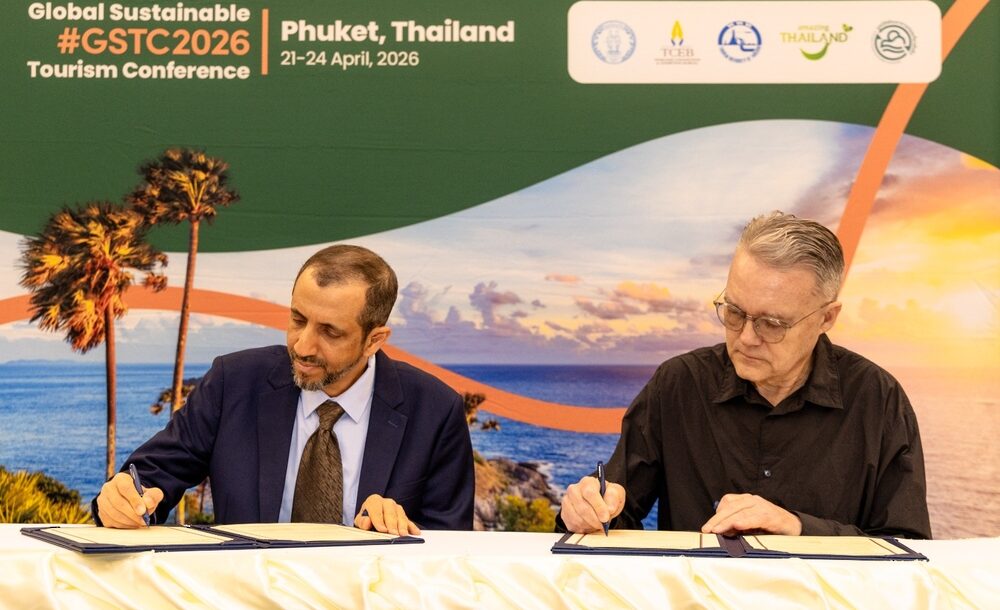

MUSCAT – The agreement marks a strategic step in strengthening Oman’s commitment to sustainability as a key pillar in developing its tourism sector.
The MoU was signed by His Excellency Sayyid Ibrahim bin Said Al Busaidi, Minister of Heritage and Tourism.
The agreement formalises the Ministry’s accession to the Global Sustainable Tourism Council as a governmental member representing tourism destinations. This membership will enable Oman to benefit from internationally recognised frameworks in developing sustainable tourism policies and applying global standards for destination management. It also supports national efforts to develop and adopt standards aligned with international best practices.
Read More
- HH Sayyid Shihab presides over recital of Prophet’s life story at Al Alam Palace
- Oman’s CPA shuts travel agency in Rustaq over failure to deliver promised services
- Oman expands organic farm Yuzu to boost food security and local production
- Oman to host ICESCO delegation in Dhofar to strengthen cultural diplomacy and cooperation
- Dhofar Municipality launches wage support scheme for seasonal Omani workers
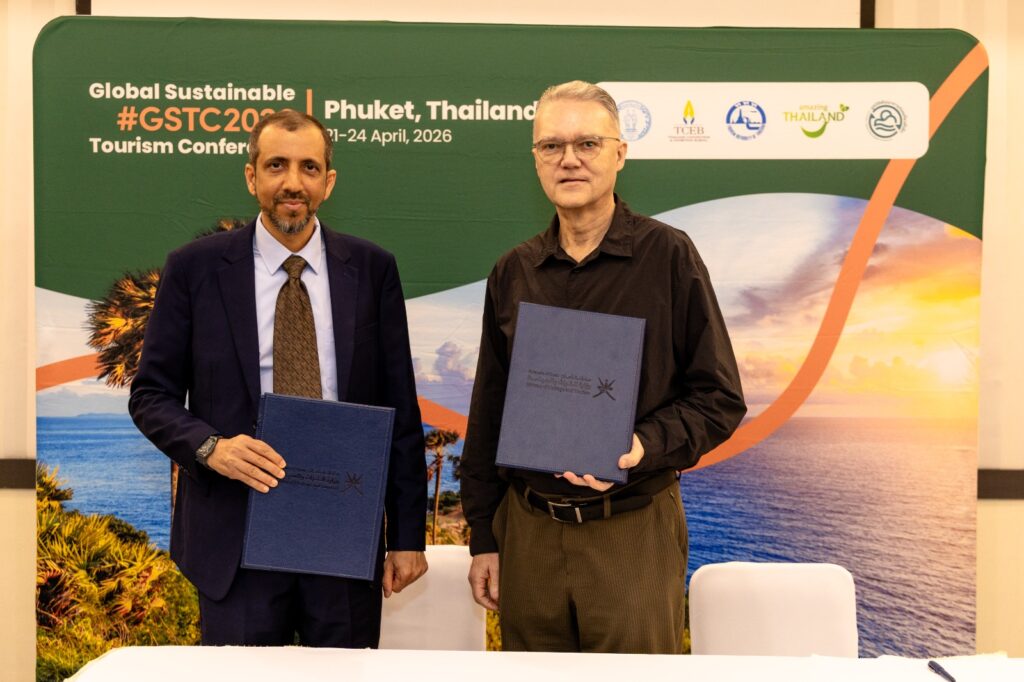
The MoU outlines cooperation in developing comprehensive policies for sustainable tourism, including the establishment of integrated institutional frameworks for managing sustainability in the sector. These frameworks cover planning, financing, performance measurement, and monitoring. It also provides for technical support from the Council in shaping policies and programs that integrate sustainability across all levels of tourism governance.
In addition, the agreement includes Oman’s application to the GSTC Standards Recognition Program, with the aim of adopting sustainability standards as an official national reference. It also encourages tourism establishments across the Sultanate to implement these standards, thereby improving service quality and enhancing the management of natural and cultural resources.
The MoU further emphasises capacity building through training national professionals and developing their skills in tourism sustainability management. It also promotes knowledge exchange and the sharing of global best practices, contributing to improved institutional performance within the sector.





