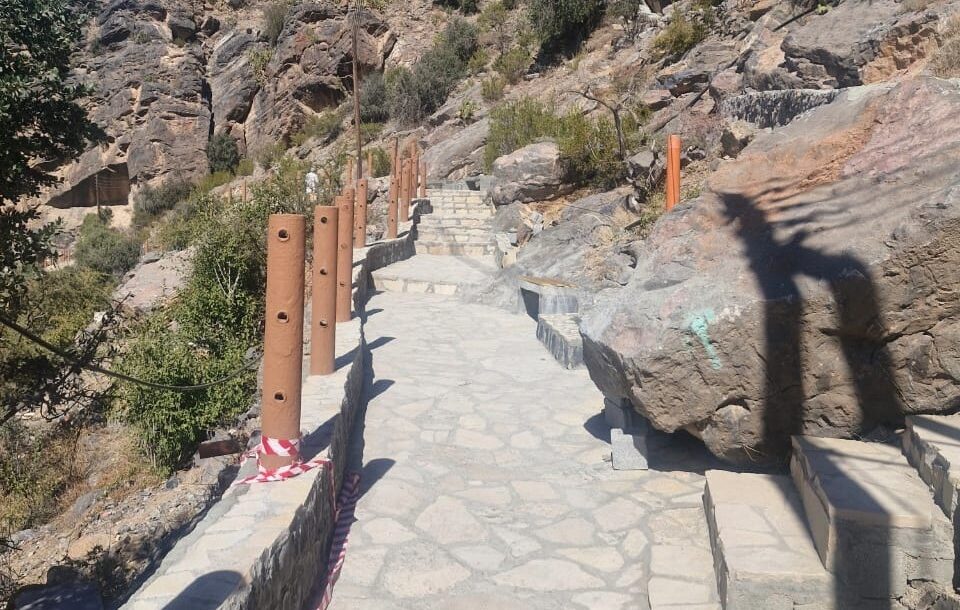

MUSCAT – Spanning approximately 2.4 kilometres and implemented at a cost of RO 83,500, the project is being developed by the Ministry of Heritage and Tourism in cooperation with the Governor’s Office and the municipality of Al Jabal Al Akhdar. It is designed to create a sustainable tourism experience connecting the mountain villages while boosting visitor numbers and supporting local communities.
According to Ahlam bint Hamad Al Qasabi, Director of the Heritage and Tourism Department in Al Dakhiliyah Governorate, the project represents a qualitative addition to Oman’s eco-tourism offerings. “The trail provides prepared walking paths, viewing platforms and interactive experiences, most notably the rose-picking season,” she said, noting that visitors will be able to explore terraced farms and walk through rose and pomegranate groves across the three villages.
The ministry’s role includes planning, supervision and ensuring safety standards, as well as equipping the route with signage and essential infrastructure. Efforts also focus on heritage preservation, marketing and involving local communities through training tour guides and supporting farmers and artisans.
Read More
- Oman condemns deadly church shooting in Jordan
- Online shoppers have a right to an invoice, Oman consumer authority says
- Oman and UK unveil £1 billion-plus AI data centre plan for Salalah
- Oman plans 84 digital economy initiatives by 2030, expands focus on private sector
- His Majesty Sultan Haitham returns home after UK state visit
The project features paved pathways using local stone, rest areas, shaded seating zones in Al Ain village, scenic viewpoints and protective barriers along sections of the trail. Additional infrastructure includes a stone protection dam and a designated crossing through a valley section between Al Aqr and Al Ain.
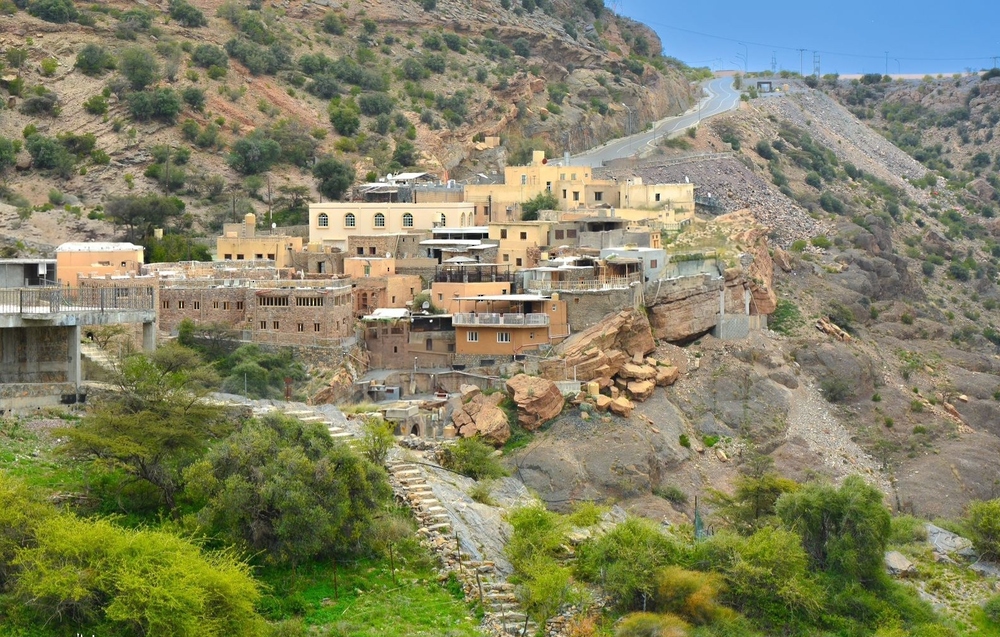
The route passes through orchards and plantations for which the Green Mountain is known, including roses, pomegranates, walnuts and apricots, alongside aromatic plants such as basil.
Al Qasabi said the initiative is expected to generate employment opportunities for small and medium enterprises and productive families, including the sale of rose-based products, traditional foods, handicrafts and rural hospitality experiences.
The project is also anticipated to enhance the value of agricultural produce and encourage the adaptive reuse of traditional homes into heritage lodges, cafés and small-scale museums, reinforcing sustainable development across the area.





