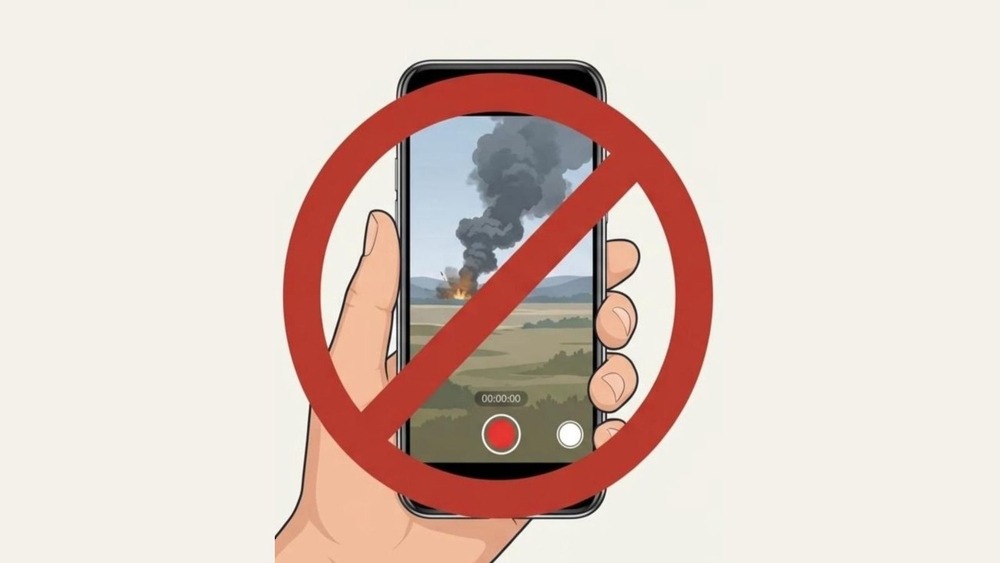

Muscat — The irresponsible sharing of photos, videos, or misleading information on social media platforms represents a significant threat to national security and undermines social stability, officials have warned. Awareness of this risk, they said, is a national duty, particularly during sensitive periods, and is essential for preserving the nation’s assets and maintaining security.
Lawyer Dr Ahmed bin Abdullah Al Shanfari told the Oman News Agency that Oman has established a legal framework balancing freedom of expression with the need to protect national security and the public interest. “The Basic Law guarantees freedom of speech, writing, and other forms of expression within the law, with a commitment to preserving national values and public order,” he said.
He noted that the Media Law, issued by Royal Decree No. 58/2024, prevents prior censorship of legally compliant content but prohibits publishing material that misleads the public, contradicts public morals, or reveals information related to national security, including military or security sites and ongoing security events.



Dr Al Shanfari emphasised that sharing images or videos from the scene of events requires responsibility and advised the public to rely on official sources such as the Oman News Agency and relevant government authorities. The Cybercrime Law (Royal Decree No. 12/2011) also criminalises publishing private content without consent or spreading false news that could disrupt social stability, with penalties including imprisonment of up to three years and fines of up to RO 3,000.
He added that the Media Law further allows penalties of three months to three years in prison and fines ranging from RO 5,000 to RO 200,000 Omani riyals for content that threatens national security, incites hatred, or sows sedition. Article 115 of the Penal Code supports these measures by criminalising dissemination of false news that could harm public interest or cause anxiety.
He pointed out that irresponsible posting on social media platforms, such as circulating misleading information or posting pictures and videos that violate the privacy of individuals, may be considered a direct violation of the provisions of the Cybercrime Law. It may also conflict with the provisions of the Personal Data Protection Law, which mandates responsible processing of data and information, including what is circulated on social media, he explained.
Dr Al Shanfari urged citizens and residents to practise digital responsibility: verify information before publishing, rely on official sources, and avoid sharing content that may incite hatred, threaten social peace, or violate privacy. “Adherence to these principles builds a conscious digital environment that supports sustainable development, strengthens community trust, and maintains security and stability,” he added.
Hisham bin Fayel Al-Saadi, technical content presenter at the Oman News Agency, highlighted the dangers of manipulated digital content, including altered images or old videos circulated as current events. He stressed that while social media is a fast news source, it can also spread rumours, especially during crises, and that unchecked circulation may create anxiety or confusion.
He encouraged relying on official information and using social media influencers to spread awareness of responsible digital behaviour. “Deliberately spreading misleading content requires legal action and serves as a deterrent,” he said, adding that every user must recognise the potential impact of a single post.
Rashid bin Abdullah Al-Shidhani, public opinion researcher, pointed out that images and videos from event sites could be exploited by hostile entities for digital intelligence, revealing strategic locations, timings, and security responses. He warned that such circulation may threaten infrastructure, disrupt economic sectors, mislead public opinion, and harm the state’s reputation.
Al Muhand bin Khalifa Al-Jahouri, a psychology specialist, explained the psychological impact of misleading content. He said images and videos can trigger strong emotional responses, spreading anxiety and panic through a phenomenon known as emotional contagion. “Exposure to fear-inducing content online leads the brain to mimic these emotions, especially in digital environments where reactions are amplified,” he noted.
He emphasised that social awareness, fact-checking, and reliance on official sources are crucial to maintaining public calm. “Omani society possesses a high level of psychological immunity against rumours, which serves as the first line of defence,” he said.
Officials concluded that responsible digital behaviour, verification of information, and adherence to official sources are essential for safeguarding national security, preserving social stability, and protecting the nation’s assets.
Read More
- Omani doctor injured in Riyadh airport attack, embassy says
- El Niño could affect rainfall, temperatures and cyclone activity in Oman
- Indian School Al Ghubra retains TAS badminton crown as Indian School Muscat finishes runner-up
- Nepal, Oman seek faster labour pact, discuss Omani embassy in Kathmandu
- TAS Conclave returns for sixth edition, putting Oman’s economic future in focus





