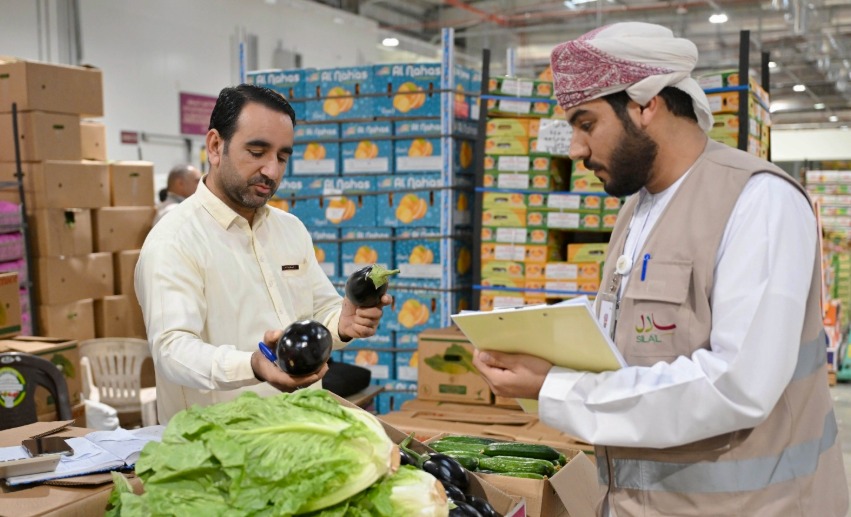

MUSCAT : In anticipation of high demand, trading parties have taken measures to ensure the availability of basic commodities like fruits and vegetables at reasonable and stable prices.
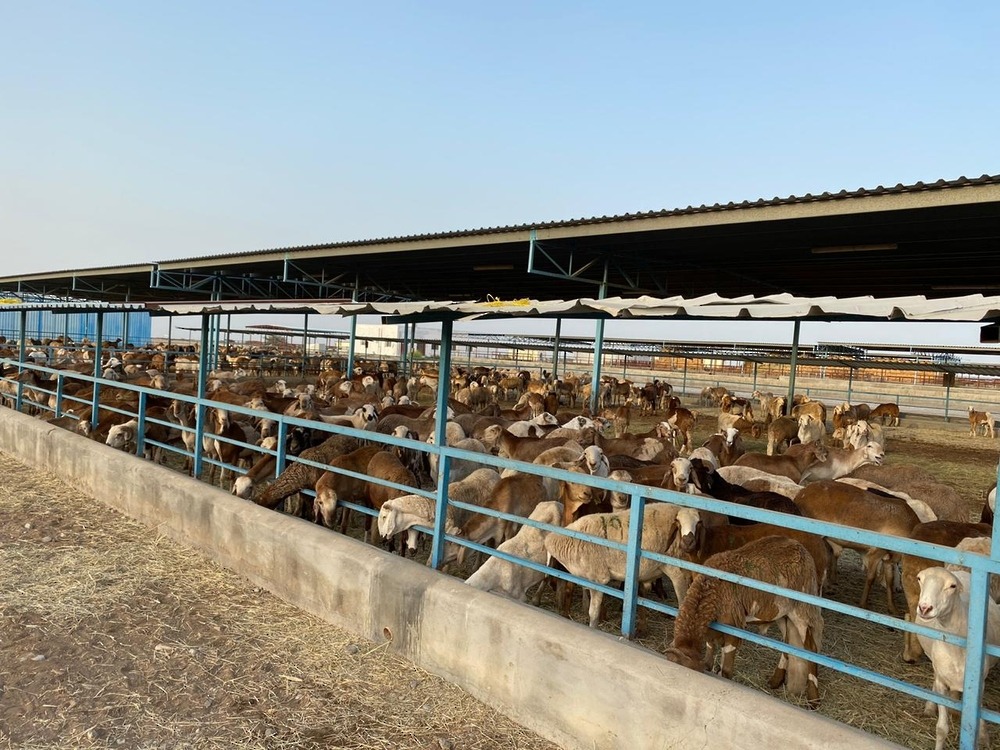
The Ministry of Agriculture, Fisheries and Water Resources reported that, with effect from February 1, 2026, the total number of imported livestock stood at 129,875 (including 9,456 heads of cattle and 120,419 sheep) for which 88 import permits issued.
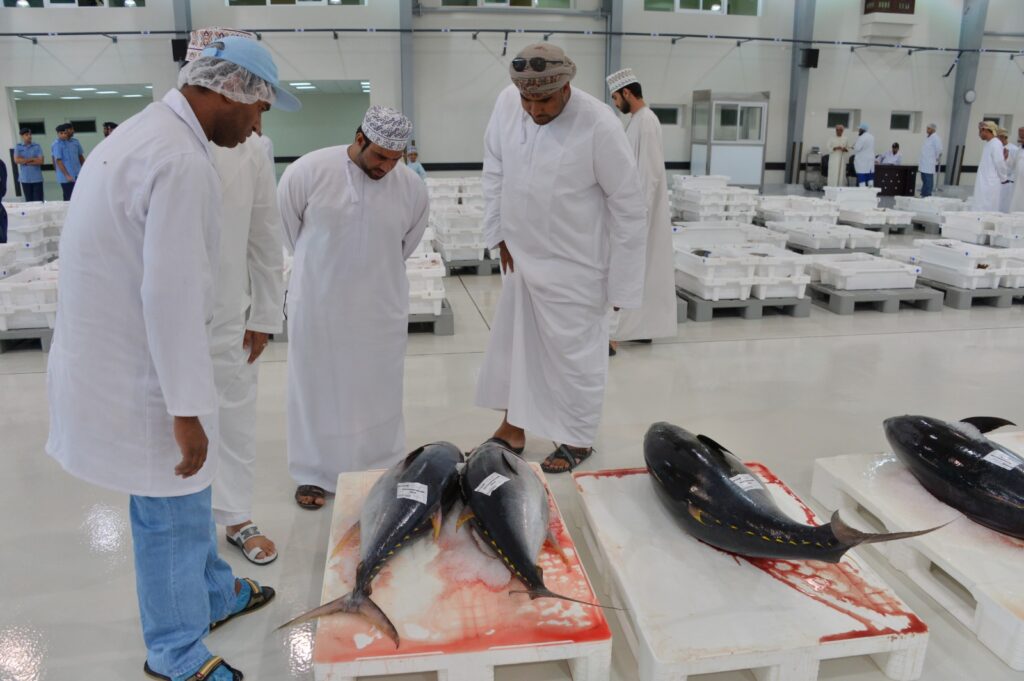
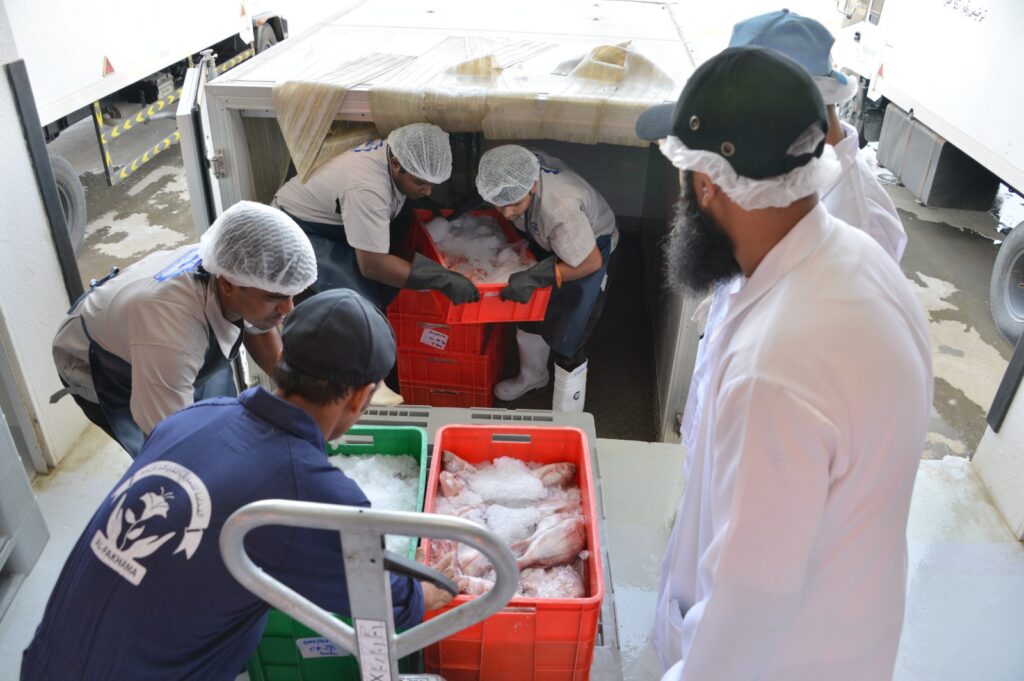
The Ministry also affirmed the availability of fish during the holy month of Ramadan. It reported that it acted in coordination with fish sale companies, transporters and retailers to ensure the availability of adequate supplies, even in the event of exceptional weather conditions.
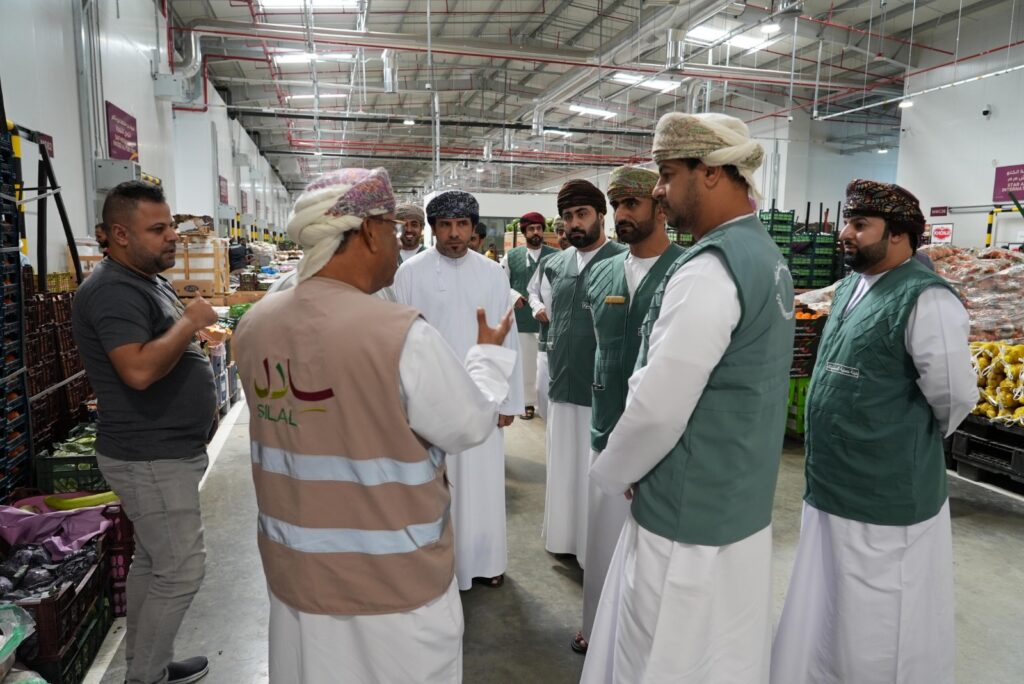
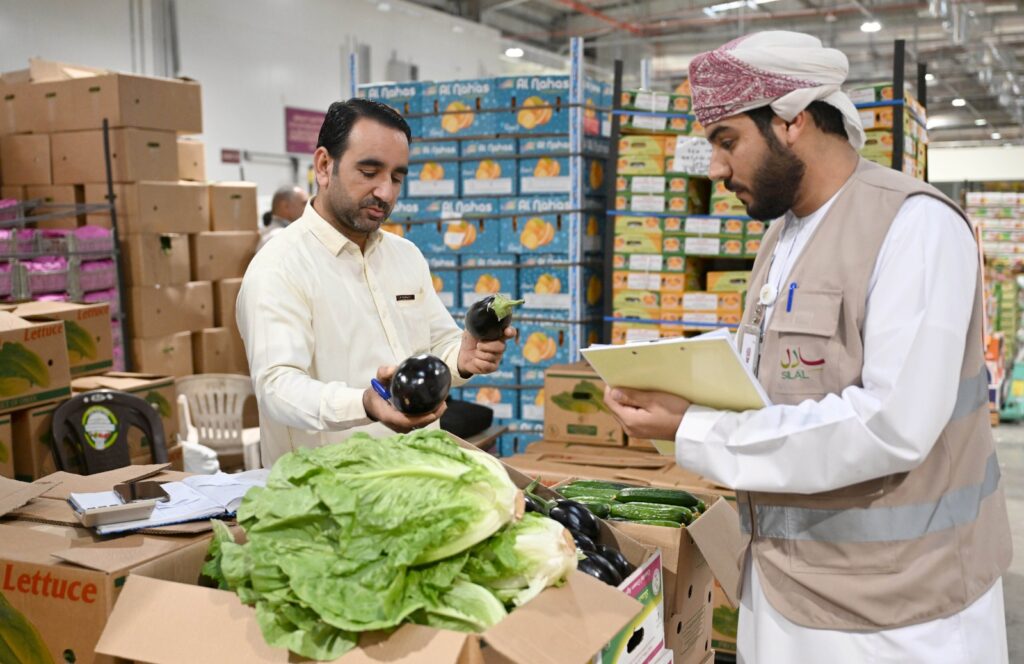
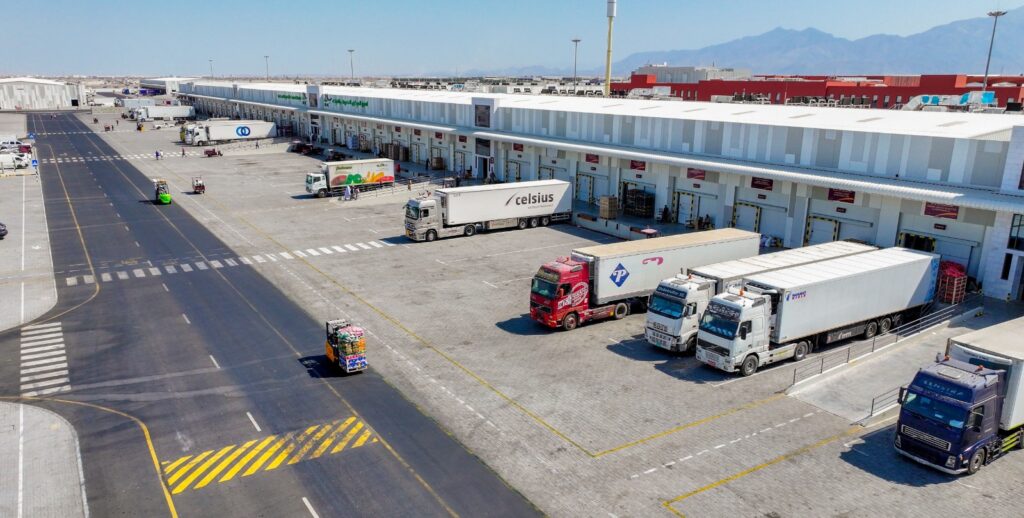
At the Central Vegetable and Fruit Market (Silal), operations have intensified significantly. Othman Ali Al Hattali, Director of Operations, said that since the beginning of February 2026, the market has received more than 520 shipments from countries of origin, carrying over 12,000 tons of vegetables and fruits.
Additionally, more than 11,000 tons of local agricultural produce have been supplied to the market during the same period, reflecting strong support for domestic farmers.
He explained that Silal market centre applies the highest standards of health and food safety in coordination with the competent authorities, including the Royal Oman Police General Directorate of Customs, the Agricultural Quarantine and Food Safety Department (Ministry of Agriculture, Fisheries and Water Resources) related firms.
In Dhofar Governorate, Mohammed Khalifa Al Badrani, Director General of Commerce, Industry and Investment Promotion, affirmed that markets are fully prepared to meet rising demand, with supply chains operating smoothly and contingency plans in place to address potential shortages.
Meanwhile, in the Governorate of South Al Batinah, the main markets in various wilayats have seen a tangible availability of food supplies, thanks to ongoing efforts and field monitoring conducted by municipalities and other departments.
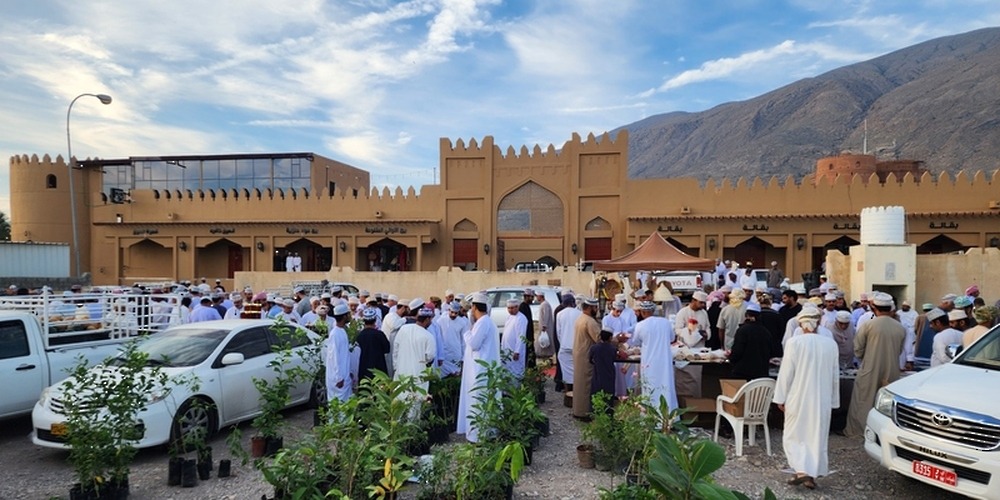
Al Rustaq market stands out as a prime example of this abundance, with relatively stable prices and a readily available supply of essential commodities.
In Musandam Governorate, field monitoring by the Consumer Protection Department confirmed sufficient stocks of vegetables, fruits, poultry, eggs and dairy products to meet consumer needs.
Authorities in Al Dakhiliyah and Al Dhahirah governorates have likewise intensified inspections and implemented operational plans to ensure food safety, proper storage practices and compliance with approved health regulations throughout Ramadan.
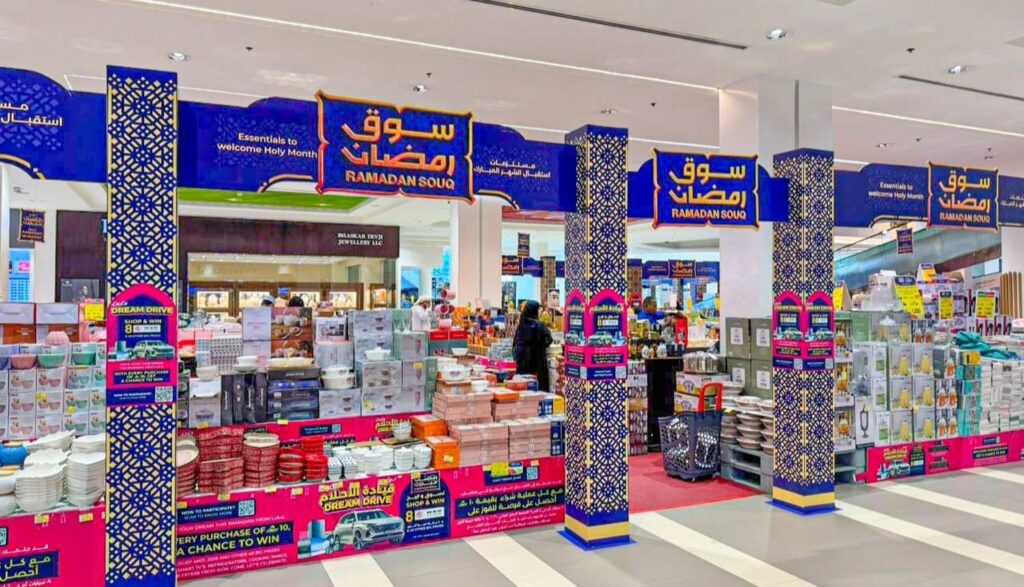
Officials emphasised that nationwide coordination between ministries, municipalities and market operators aims to guarantee the steady flow of essential commodities, price stability and consumer protection during one of the busiest retail seasons in Oman.
For all the latest news from Oman and GCC, follow us on Twitter, Instagram and LinkedIn, like us on Facebook and subscribe to our YouTube page, which is updated daily.
Read More
- Travelling to the Philippines from Oman? New e-visa system takes effect
- Oman’s tourism ministry launches Itqan digital platform and 14 e-services
- Oman records highest rainfall of 53.6mm at Jabal Shams during 2026 summer season
- Oman to establish duty-free markets at three land border crossings
- Muscat stargazing event offers chance to observe Saturn’s rings and crescent Moon





