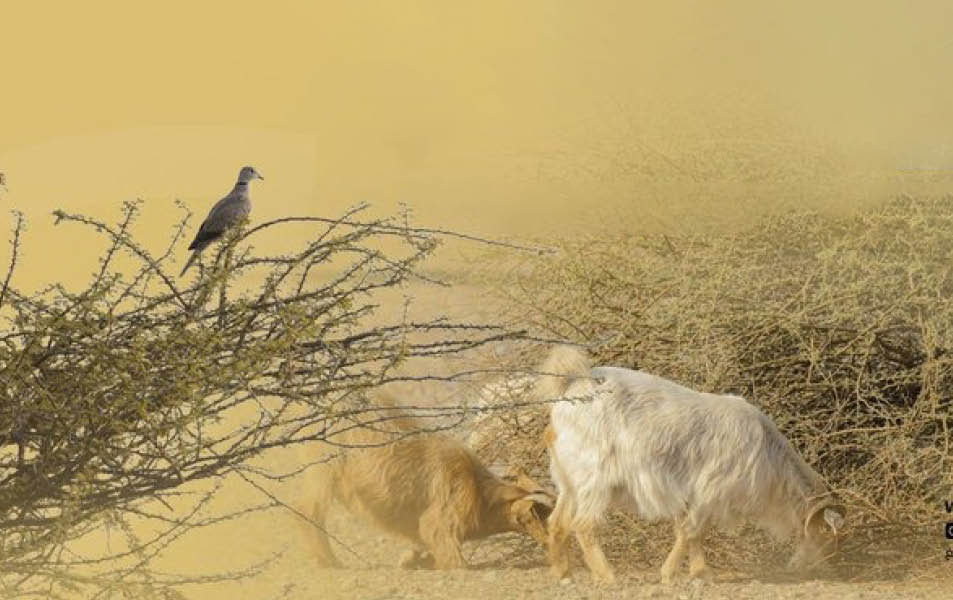

MUSCAT -The decision aims to preserve biodiversity, ensure sustainable use of natural resources, and regulate activities within the park’s boundaries.
Under the new regulations, certain activities now require prior permits, including entering or wandering within the park, photography and documentary production, conducting studies or research, sample collection, camping or overnight stays, grazing, construction or expansion of buildings, and agricultural or afforestation activities. At the same time, the decision specifies a number of prohibitions, such as hunting or collecting wildlife and fossils, using weapons or poisons, driving off designated tracks, cutting trees or damaging vegetation, polluting water sources, introducing invasive species, and tampering with park signage or boundaries.
The resolution also introduces a structured fee system for various activities. Park entrance fees are set at RO 1 for Omanis, RO 3 for non-Omanis, and 100 baisas for children under 16. Fees for wandering or safaris range from RO 2 for Omanis to RO 5 for non-Omanis, while camping or overnight stays are charged RO 2 for Omanis and RO 5 for non-Omanis, with a reduced fee of RO 1 for children. Mountain hiking fees have also been specified.
Read More
- Indian expat airlifted to hospital after road accident in Oman
- Truck carrying steel coils triggered deadly 15-vehicle Samail crash: Royal Oman Police
- Global experts to gather in Oman to combat water and climate challenges
- Oman orders investigation into horrific Samail crash that killed six
- Over 220 Raqaq bread packs seized in Oman over alleged expiry date manipulation
Certain groups are exempt from permits, including members of the Sultan’s Armed Forces and Royal Oman Police, government employees and researchers on official missions, school students on educational trips, residents of the reserve and their immediate relatives, and official government delegations. Administrative fines will be applied to violators depending on the nature of the offense.





