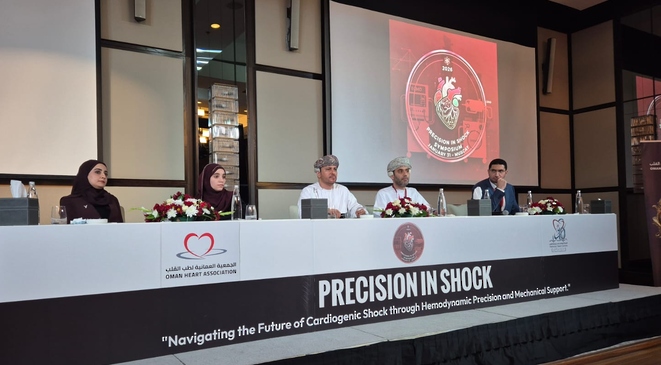

MUSCAT – The symposium underscored the importance of establishing unified treatment protocols for cardiogenic shock across healthcare institutions to ensure a swift and well-coordinated national response. It also highlighted the need to further develop medical and nursing staff capabilities in the use of advanced cardiac support technologies, including the HeartMate 3 artificial heart device, the Impella pump and extracorporeal membrane oxygenation (ECMO).
Participants called for the adoption of the ‘shock team’ concept to ensure seamless coordination between physicians and nurses when managing critical cases. The programme featured a series of scientific sessions covering fundamentals and diagnosis, mechanical circulatory support, national strategies, heart transplantation and artificial heart therapies, alongside the presentation of complex real-life cases. The symposium also included intensive hands-on training on cardiac support devices to enhance response times and reduce human error.
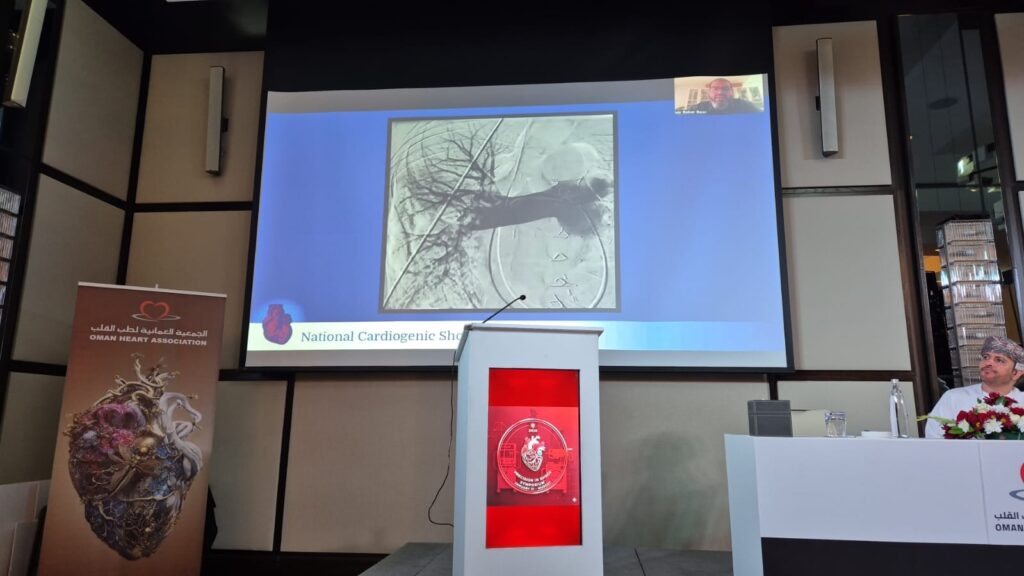
The event aimed to strengthen collaboration between local healthcare professionals and international experts, while improving the quality of cardiac care in the Sultanate of Oman. Dr. Najib bin Zahran Al Rawahi, Director of the National Heart Centre at the Royal Hospital, told the Oman News Agency that the symposium provided an important platform for promoting innovation, exchanging expertise and training staff in line with the highest international standards.
Read More
- Oman begins solar operations at Al Dhahirah Special Economic Zone project
- Muscat Nights 2026 ends on a high; Al Amerat Park attracts over 400,000 visitors
- Reckless drivers detained in Oman’s Liwa Wilayat for endangering public safety
- Oman expresses condolences to Iran following Bandar Abbas explosion
- Search and rescue teams in Oman find missing child safe in North Sharqiyah
He noted that the symposium forms part of ongoing efforts to enhance both international and local partnerships in cardiac healthcare, stressing that the implementation of standardised protocols for cardiogenic shock treatment plays a key role in improving clinical outcomes and reducing mortality rates in critical cases.
Dr. Al Rawahi also emphasised the importance of continuous training for doctors and nurses to ensure the optimal use of advanced medical devices, adding that closer cooperation between local professionals and global expertise reflects the Sultanate’s commitment to delivering high-quality healthcare services to citizens and residents alike.
The symposium concluded with specialised scientific sessions addressing key challenges and opportunities in the management of cardiogenic shock.





