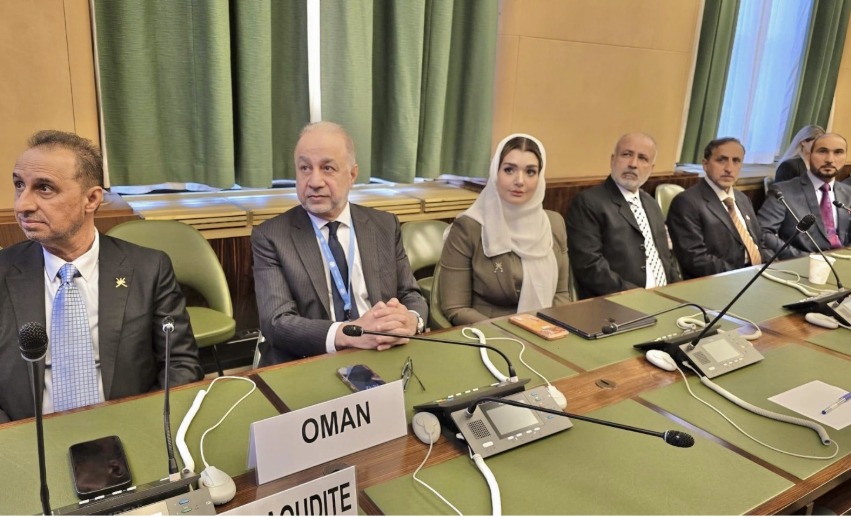

MUSCAT : The event was hosted by the Oman Human Rights Commission (OHRC) in cooperation with the Permanent Mission of Oman to the United Nations and International Organizations in Geneva.
The event aimed to showcase the institutional role of the Commission, highlight its priorities and achievements, promote international cooperation, and share best practices with national and international human rights bodies. It also provided an overview of Omani efforts in areas such as workers’ rights and public awareness initiatives.
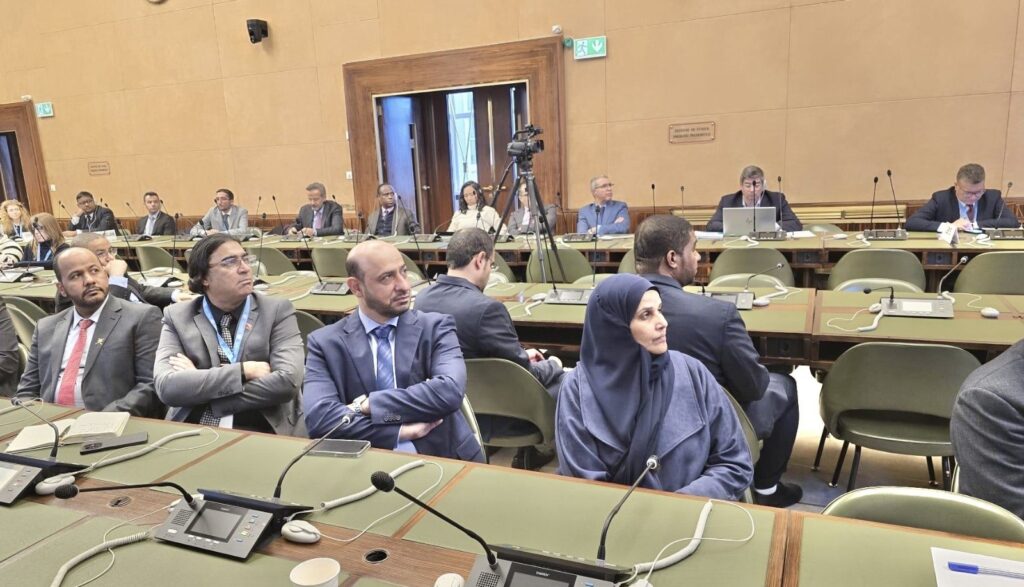
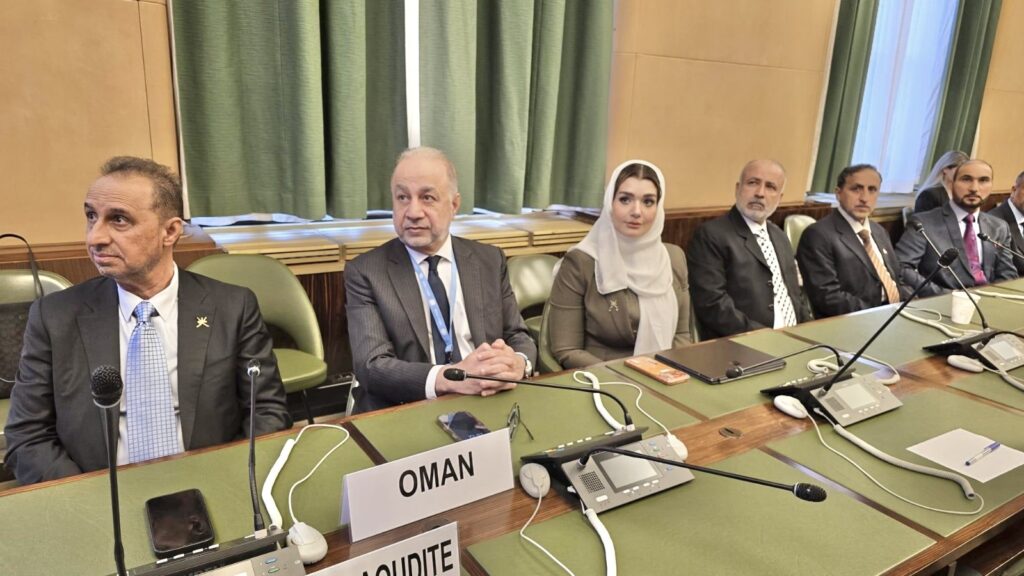
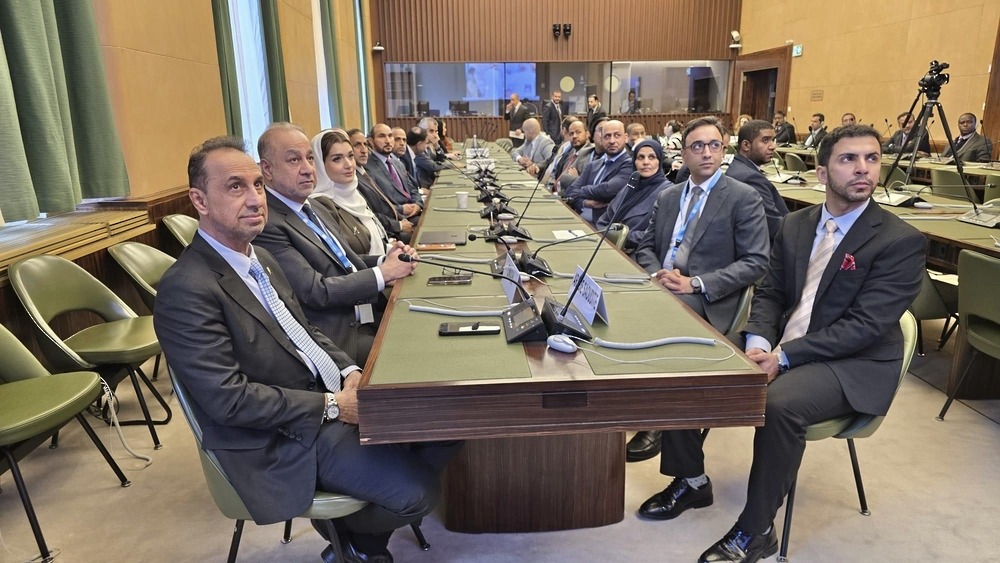
A wide range of stakeholders attended, including diplomatic missions, international organizations, UN agencies, national human rights institutions, civil society organizations, researchers, and media representatives.
During the event, three specialised working papers were presented. The first paper addressed ‘Business and Human Rights’, highlighting the integration of economic development with human rights standards, the Commission’s assessment and follow-up methodology, and qualitative initiatives such as guidance manuals.
The second paper focused on workers’ rights, covering monitoring of working conditions, housing, occupational safety, and mechanisms for receiving and addressing complaints.
The third paper presented parallel reports and awareness programs, detailing the preparation of shadow reports under UN guidelines and their role in promoting transparency and international cooperation.
On the sidelines, the Commission held an exhibition of its publications, including annual reports, human rights guides, booklets, and awareness materials, allowing attendees to learn about its methodology and experience in producing specialized reports.
Dr. Rashid bin Hamad Al Balushi, Chairman of the OHRC, highlighted Oman’s commitment to the rule of law and human rights, noting the Commission’s journey since its establishment in 2008 and its transition to a new phase under Royal Decree No. 57/2022, which strengthened its institutional independence, defined its formation, decision-making mechanisms, and competencies.
He emphasised the importance of proximity to the people as a key indicator of institutional maturity, explaining that the Commission receives and monitors more than a thousand reports annually through multiple channels that ensure accessibility, privacy, and clarity.
Dr. Al Balushi also discussed the development of human rights indicators as a scientific tool to support evidence-based policies, noting that Oman is now an active member of eight out of nine international human rights agreements, reflecting its strengthened presence in the global human rights system.
For all the latest news from Oman and GCC, follow us on Twitter, Instagram and LinkedIn, like us on Facebook and subscribe to our YouTube page, which is updated daily.
Read More
- Oman reviews school assessments, improvement plans for 100 schools
- Oman hotels report weaker first-half earnings as regional conflict hits bookings
- 12.8 million adolescents and youth in GCC States
- Oman warns witness tampering in human trafficking cases carries up to five years in prison
- His Majesty Sultan Haitham issues two Royal Decrees ratifying agreements with Angola





