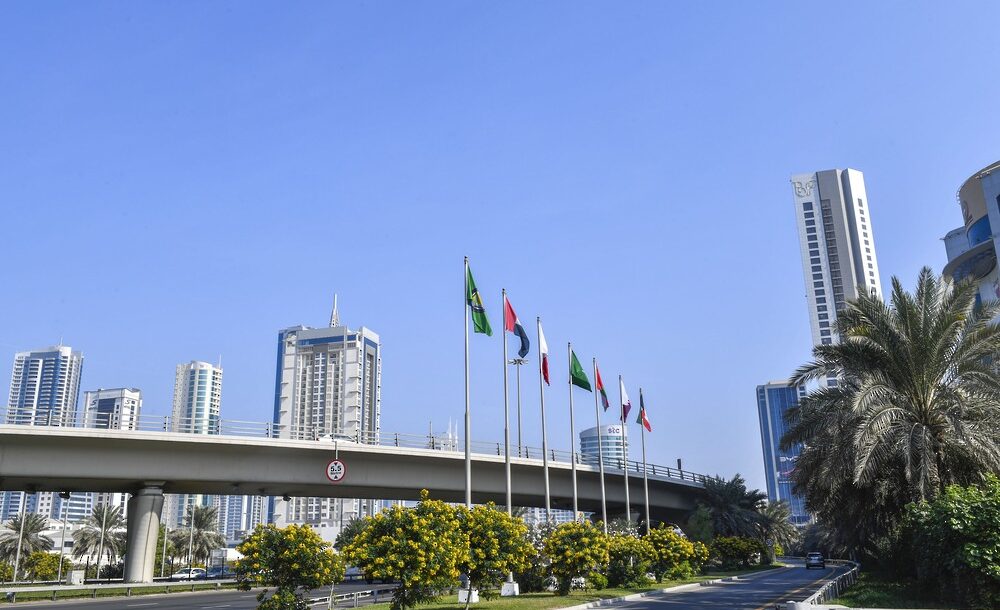

MUSCAT – His Majesty Sultan Haitham bin Tarik will lead the Sultanate of Oman’s delegation to the summit, which will be attended by their Majesties and Highnesses, and the leaders of the GCC member states.
The summit is expected to review the progress of joint Gulf cooperation and discuss the latest regional and international developments and their implications for regional security and stability. Leaders will also address collective Gulf efforts to advance comprehensive peace initiatives and coordinate positions on emerging regional issues.
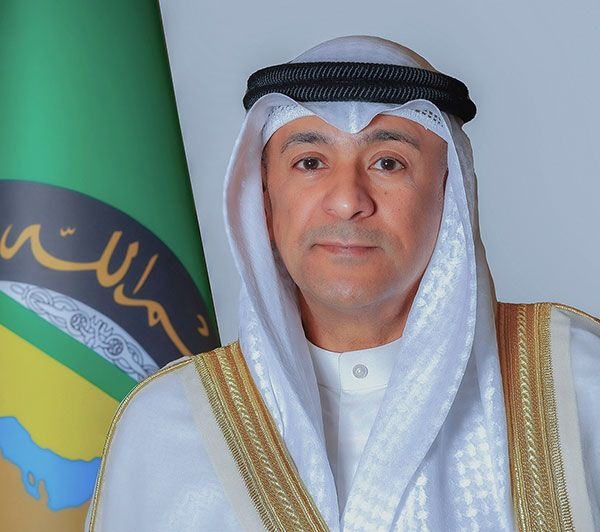
His Excellency Jassim Mohamed Al Budaiwi, Secretary General of the Gulf Cooperation Council, affirmed the Council’s ongoing efforts to strengthen Gulf, regional, and international cooperation. He expressed hope that the Bahrain summit will deliver constructive decisions that build upon the GCC’s achievements and reinforce the Council’s growing regional and global influence.
Al Budaiwi noted that the steady progress toward Gulf integration reflects the determination of GCC leaders to meet the aspirations of their peoples for greater unity and prosperity.
The 45th Gulf Summit, held in Kuwait in December 2024, saw agreements to expand clean energy use, boost sovereign wealth fund investments in technology and green transformation sectors, and advance economic integration. The summit also endorsed unified positions on emerging global issues and approved several joint economic initiatives linked to transportation, electricity interconnection, and artificial intelligence projects.
The GCC economies recorded a balanced performance in 2024, with real GDP growth reaching 1.9 percent, driven by non-oil sector growth of 4.4 percent. Real growth across the GCC is projected to rise to 2.8 percent in 2025, 3.7 percent in 2026, and 4.3 percent in 2027, supported by expanding investments in tourism, renewable energy, manufacturing, and technology.
Foreign direct investment in GCC member states reached US$523.4 billion in 2023, representing about 5 percent of global FDI flows. Intra-GCC investments increased to US$130.3 billion in 2023, accounting for 20 percent of the region’s total foreign investment stock.
Despite lower average oil prices, GCC foreign merchandise trade grew by 1.1 percent in 2024. Non-oil exports continued to expand, reflecting progress in diversifying the economic base, while re-exports benefited from the region’s advanced logistics infrastructure.
Total public revenues for GCC countries reached approximately US$670.2 billion in 2024, up 2 percent from the previous year, with spending amounting to US$659.3 billion. The increase in non-oil revenues reflects the adoption of indirect taxes and improvements in financial administration through digital transformation.
GCC stock markets also performed positively in 2024, with total market capitalization reaching US$4.2 trillion, supported by improved corporate profits, lower inflation, and sustained institutional investment flows.
In an interview with Oman News Agency, His Excellency Sheikh Ahmed bin Hashel Al Maskari, Head of the GCC and Regional Neighbourhood Department at the Ministry of Foreign Affairs, emphasised Oman’s steadfast commitment under the leadership of His Majesty the Sultan to strengthening joint Gulf action. He said unity of vision among GCC states remains a cornerstone of regional security, stability, and sustainable development.
He noted that Oman Vision 2040 aligns closely with the development priorities of other GCC states, particularly in trade, services, transportation, and infrastructure. These areas are expected to feature prominently in summit discussions, supporting the objectives of the Gulf Common Market and bolstering economic and investment cooperation.
His Excellency Al Maskari added that Oman advocates dialogue, diplomacy, and mediation as essential tools for addressing regional challenges. He also stressed the importance of expanding strategic partnerships, diversifying income sources, and strengthening cooperation in traditional and renewable energy, including green hydrogen.
GCC states are also discussing the introduction of a unified Gulf tourist visa (“Gulf Schengen”), which is expected to take effect once technical and legal frameworks are completed. The initiative aims to boost tourism and economic activity across the six member states.
He noted that unified Gulf positions have become increasingly important amid geopolitical shifts, fluctuations in global energy markets, and broader economic challenges. Enhanced coordination, he said, strengthens the GCC’s negotiating power and safeguards shared interests.
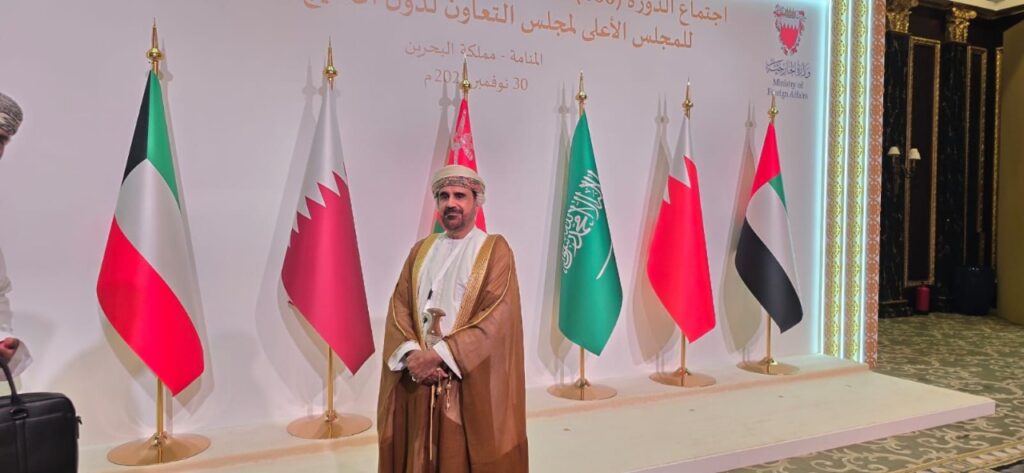
His Excellency Dr. Yousef Abdulkarim Bucheeri, Director General of Legal Affairs and Human Rights in Bahrain, highlighted his country’s readiness to host the 46th GCC Summit. He said the summit’s agenda includes social, economic, cultural, and investment issues, as well as reviews of strategic relations between the GCC and international partners.
He described the Gulf Railway as one of the summit’s most significant topics, noting that the agreement linking the six states is now close to being finalized. He also underlined progress in civil aviation cooperation, including the establishment of the GCC Civil Aviation Organization.
A preparatory meeting of GCC foreign ministers was held in Manama ahead of the summit, during which Kuwait handed over the rotating presidency of the ministerial council to Bahrain.
Read More
- Honourable Lady praises Omani women’s role, welcomes additional Shura Council seats
- Oman, 18 other countries condemn Colombia’s Jerusalem embassy opening
- Oman’s agriculture and fisheries output rises 3.3% to RO 623.5 million in first half
- Oman warns of hazardous floating containers after ship sinks off Musandam
- Indian Navy’s INS Sudarshini docks in Salalah on final overseas stop of transoceanic voyage





