

MUSCAT : At the heart of this renaissance is the steadfast integration of government, private sector, and community efforts, all centered around making Dhofar a vibrant hub for national economic diversification.
His Highness Sayyid Marwan bin Turki Al Said, Governor of Dhofar, emphasized that the governorate’s developmental leap is shaped by the directives of His Majesty Sultan Haitham bin Tarik, who envisions Oman’s governorates as the pillars of sustainable progress. Celebrating the National Day and the 281st anniversary of the Al Busaidi State, His Highness acknowledged the lasting legacy of unity, justice, and collective action that the Al Busaidi journey established, now propelling Dhofar confidently towards Oman 2040’s goals.
Dhofar’s recent progress shines across economic, services, and infrastructure sectors, with standout achievements in roads, housing, health, education, energy, tourism, and environment. Notably, Dhofar topped Oman’s 2024 institutional performance evaluation and also earned accolades for digital transformation.
Read More
- Oman-UK: From historical legacy to future partnership
- Oman to showcase climate achievements at COP31 in Türkiye
- Oman’s Health Ministry issues regulations for overseas premarital medical screening
- Oman targets wider export markets as dates and honey exhibition opens
- His Majesty Sultan Haitham arrives in UK for four-day state visit
The celebrated Dhofar Autumn Season attracted over one million visitors for 2024 and 2025, up 11.3%, earning praise from the Council of Ministers and clinching the “Distinguished Arab Tourist Destination” award for 2025.
Tourism projects flourished, with major developments in the Al-Hafa area, Al-Rathath Boulevard, and several natural attractions in Salalah, Mirbat, Rakhyut, and Dhalkut.
The foundation stone for the new Visitor Center and Frankincense Trees Nature Reserve Factory was laid, solidifying Dhofar’s reputation as a tourist magnet.
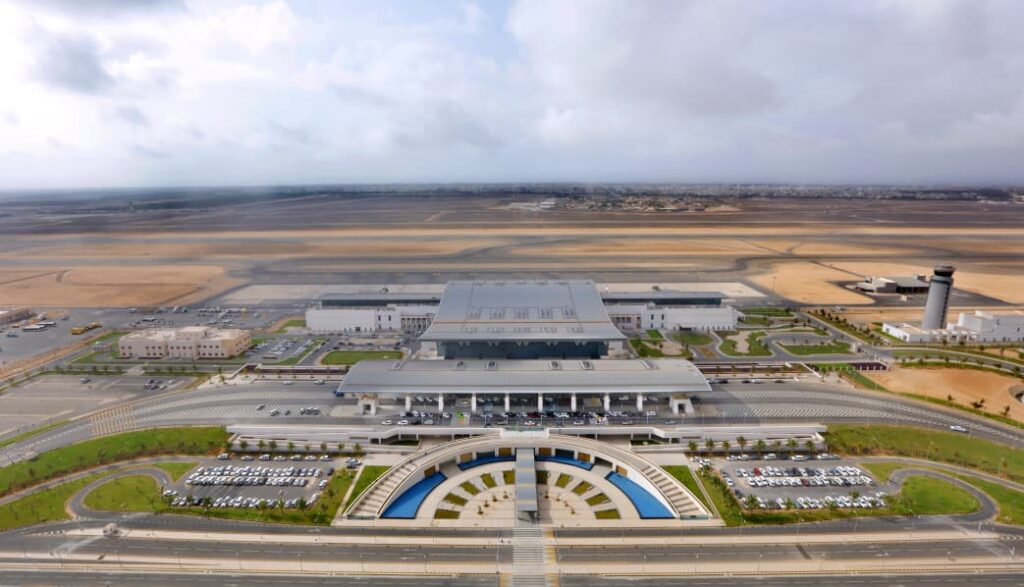
Salalah Airport witnessed marked growth, recording 9,217 flights (Jan-Sept 2025), up 3.1% from last year, and handling 1,376,518 passengers, up 8.5%. Incoming autumn season flights climbed 12%, while passenger volumes surged 13%.
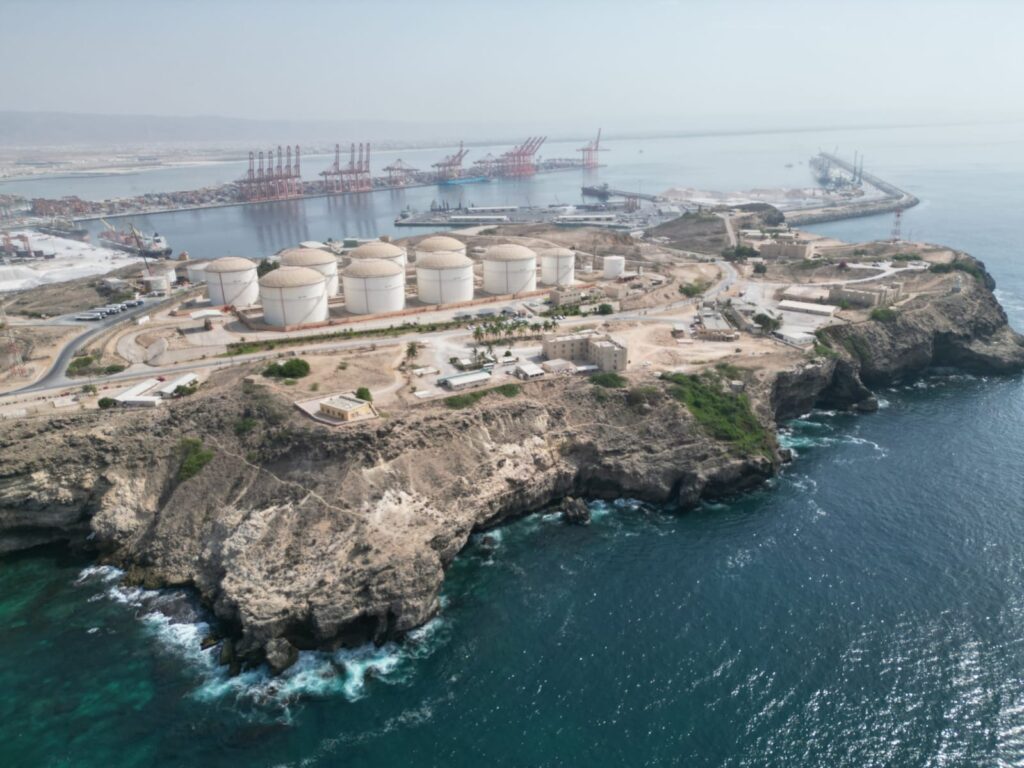
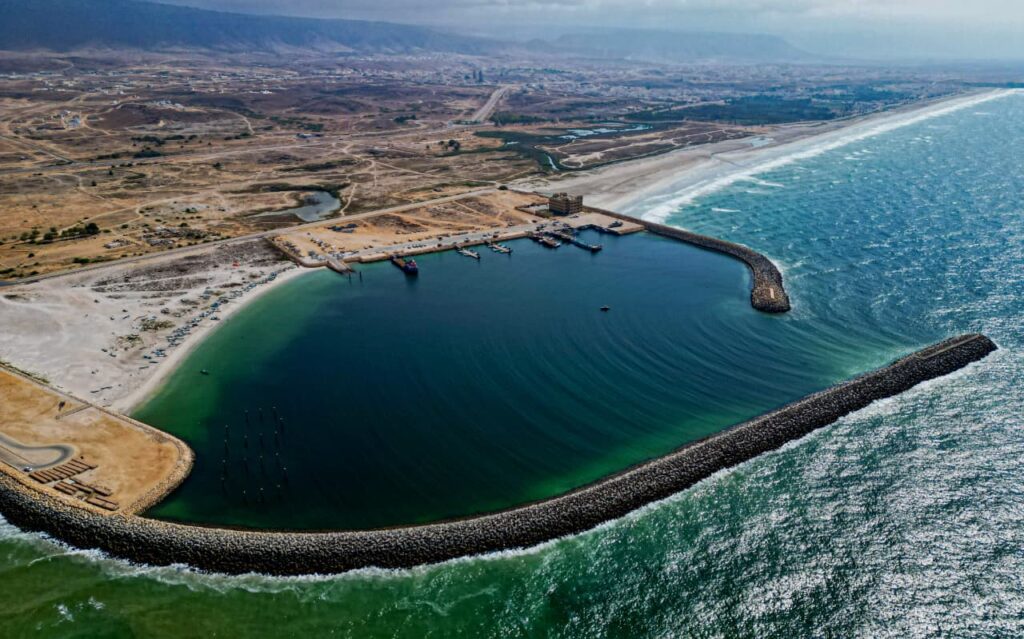
The expansion of Salalah Port’s container terminal, raising capacity to 6.5 million TEUs at an investment of over RO 115 million, positions the port as a regional gateway to the Middle East, Indian subcontinent, and Africa.
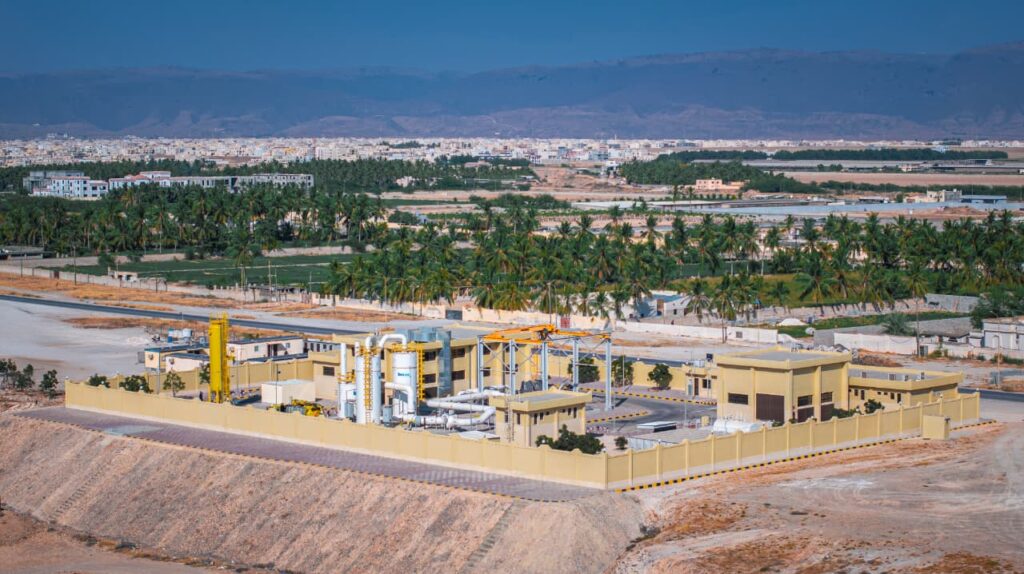
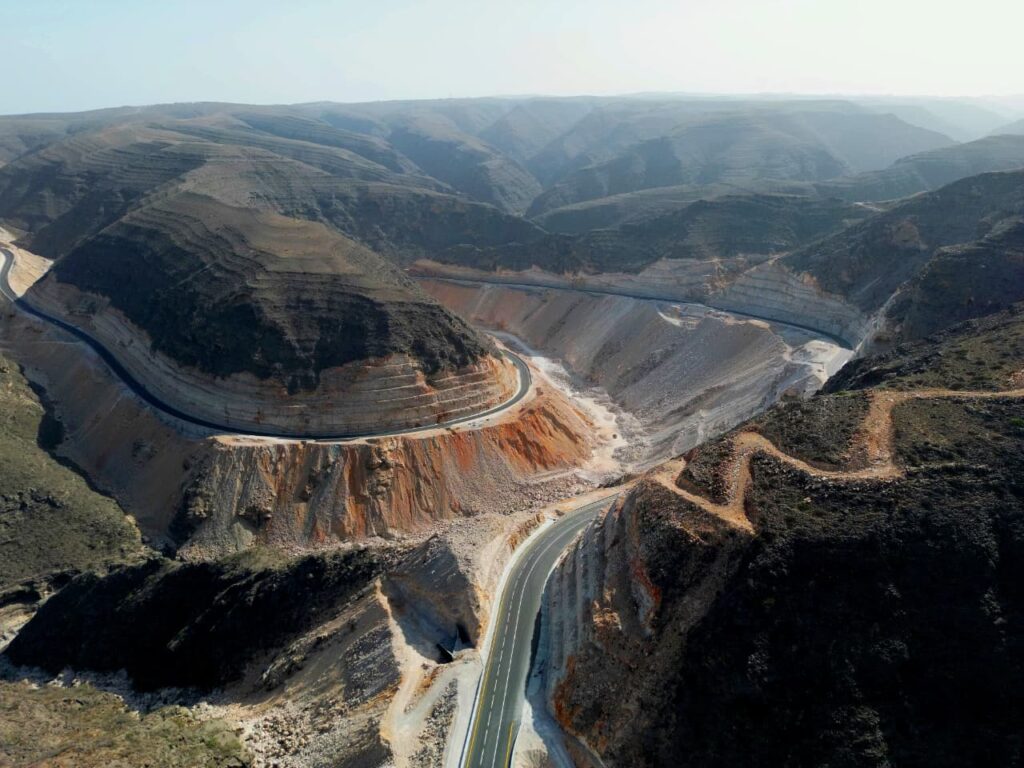
Dhofar marked significant infrastructure milestones, including the first phase of Sahalnut’s sewage network (RO 45 million), electricity projects in Mirbat (RO 9 million), and a new water reservoir. Key road projects, like the Itin Tunnel, Arjot-Sarfit Mountain Road, Shasr-Khadhf Road, extended and upgraded over 300 kilometers at RO 36 million.
Strategic roads are nearing completion, such as Harweeb–Al Mazyouna–Meten (78%), asphalt networks in Muqshin (73%), and multiple dual carriageways in Salalah.
The Ministry is also upgrading the Al-Shuwaimiyah mountain pass and preparing future connectors to spur economic and tourism growth.
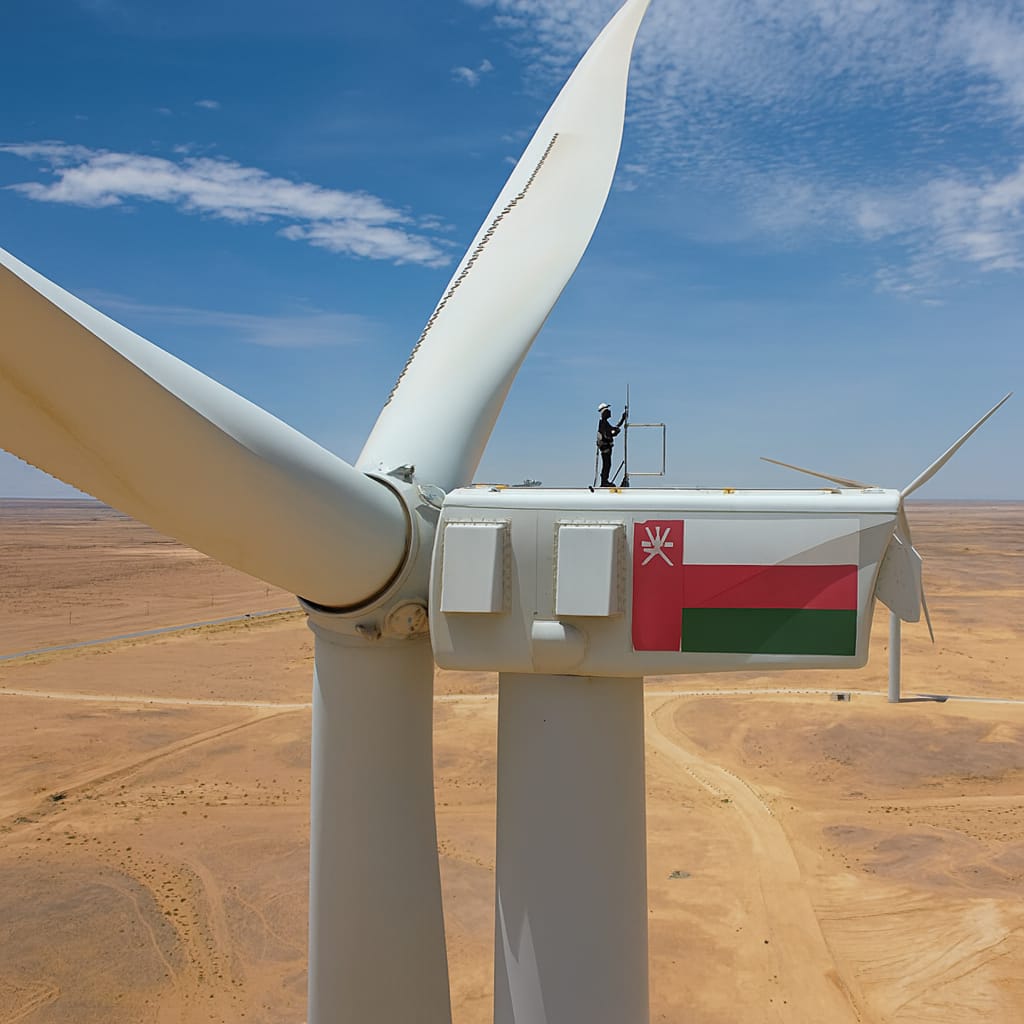
Dhofar is advancing in renewables, with wind, solar, green hydrogen, and ammonia projects led by partnerships like Hydrome. Investments in Salalah Free Zone surged to RO 5.1 billion, with 20 industrial/logistic ventures totaling over RO 900 million and international investors from more than 20 countries.
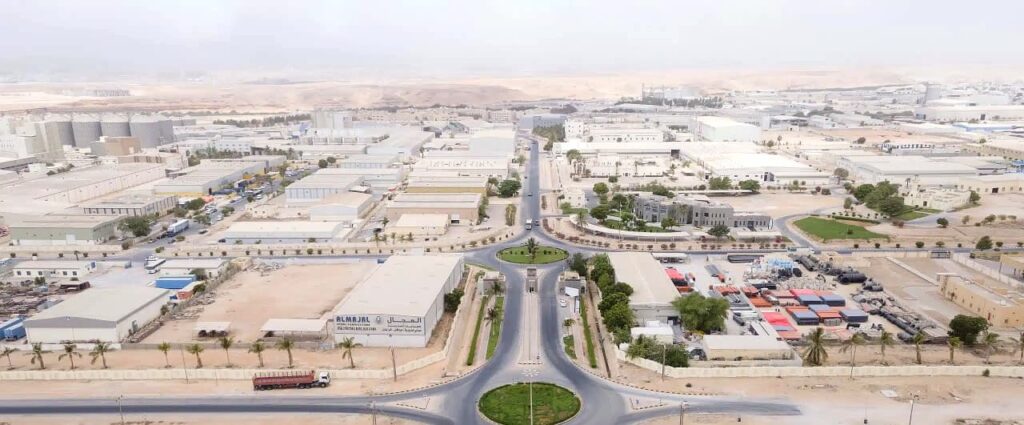
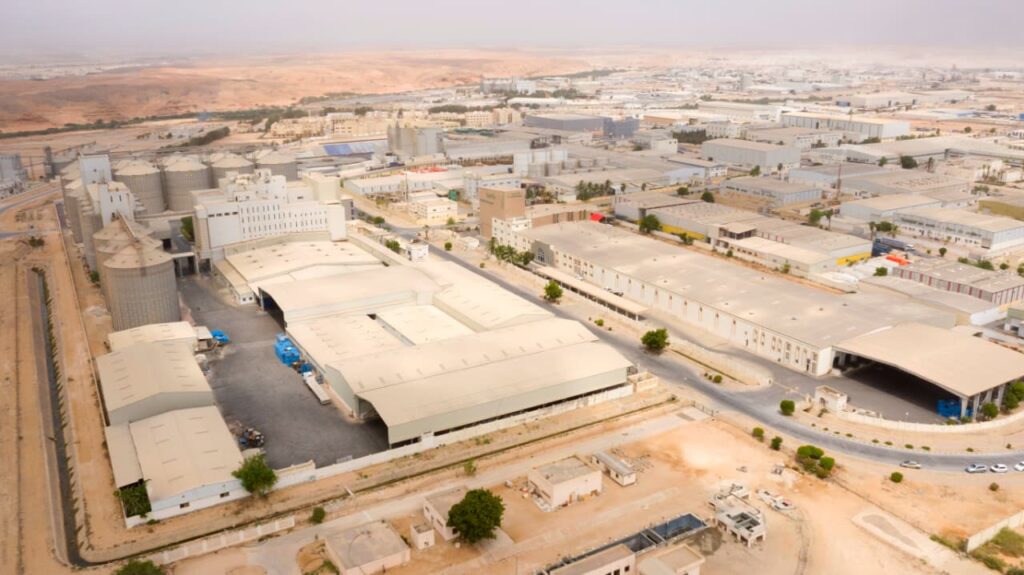
Raysut Industrial City grew to 200 projects and 624 million riyals by mid-2025, while expansions in logistics and new industrial cities fortify Dhofar’s profile as an innovation powerhouse.
Modernization is evident in hospital expansions, new health centers, and the advanced Sultan Qaboos Hospital project (77% complete). Dhofar University broke into the Times Higher Education and QS World Rankings for 2026, and new labs, schools, and research centers signal a leap in national capacity-building.
Social and cultural initiatives reached over 96,000 people. Economic empowerment saw more than 15,000 enrolled in training, while social development programs distributed hundreds of assistive devices and supported vulnerable groups.
Agricultural ventures flourished, the Najd Agricultural City, the Frankincense “White Gold Reserve,” camel cheese processing in Rakhyut, and expanded wheat projects.
Mining gained ground with the Shuwaimiyah Industrial Minerals Project spanning 1,500 sq. km., shipping 40 million tons of raw materials yearly.
The fisheries sector rolled out five strategic projects, including new ports and administrative buildings across multiple regions at a cost of RO 11.5 million.
Tree planting soared, with more than 8,793 trees and 42,000 seedlings planted in 2025. Quality projects preserve Arabian tamarisk and myrrh trees, plus initiatives like Desert Shadows Garden and live rangeland restoration.
Wild biodiversity conservation, flood protection dams (RO 47 million), and urban planning, including Salalah’s future city and the Al Shurooq model neighborhood, shape a balanced developmental vision.
Dhofar’s vibrant cultural scene engaged thousands in library and sports initiatives.
The governorate built new mosques, upgraded religious institutions, and boosted charitable endowments, ensuring welfare programs reached all corners of society.
His Highness Sayyid Marwan bin Turki Al Said affirmed that Dhofar Governorate will continue its balanced, comprehensive development, bringing more high-quality projects in key sectors and reinforcing Dhofar’s pivotal role in the Omani Renaissance.
He paid tribute to His Majesty Sultan Haitham bin Tarik, praying for continued security, stability, and prosperity for Oman as Dhofar steps confidently into a future of elevation and achievement.
For all the latest news from Oman and GCC, follow us on Twitter, Instagram and LinkedIn, like us on Facebook and subscribe to our YouTube page, which is updated daily.





