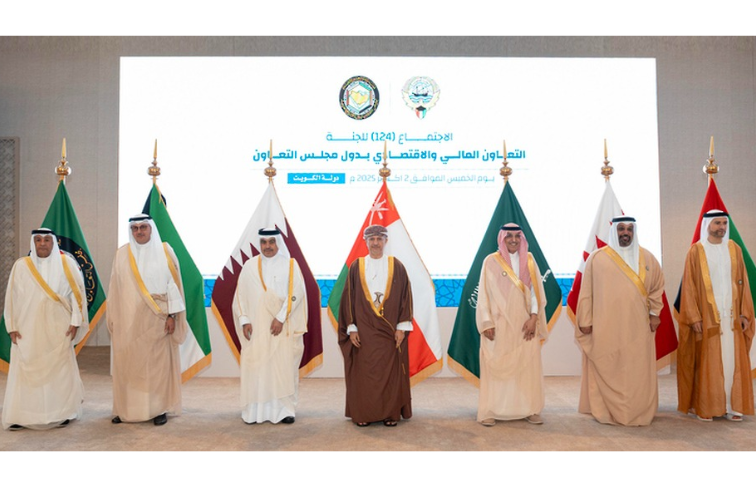

Kuwait, 2 Oct (ONA) — The Sultanate of Oman participated today in the 124th meeting of the Financial and Economic Cooperation Committee of the GCC States, held in the State of Kuwait.
The meeting aimed to discuss several topics geared towards achieving financial and economic convergence, cooperation, and integration among GCC countries.

The Omani delegation was headed by Sultan Salim Al Habsi, Minister of Finance.
Read More
- Oman launches national framework to strengthen government risk management
- Oman, U.S. discuss bilateral cooperation and regional developments
- Oman breaks ground on RO 5.8 million tourism and commercial project in Masirah
- Oman airports handle 9.3 million passengers by end of August, down 7.1%
- Over 700 banned tobacco products seized in Oman’s Masirah Wilayat
During the meeting, the Committee reviewed the recommendations and outcomes from the meeting of the GCC Governors of Central Banks Committee, the Joint Gulf Market Committee, the Customs Union Authority, and the Committee of Heads and Directors of Tax Administrations in the GCC states. Additionally, the Committee reviewed the latest developments concerning negotiations for Free Trade Agreements (FTAs) between the GCC and other international countries and blocs.
On the sidelines of the meeting, the two annexes amending the articles of the Unified Agreement for Value Added Tax (VAT) and the Unified Agreement for Selective Tax for the GCC states were signed.

Separately, the Minister of Finance along with the Governor of the Central Bank of Oman (CBO) participated in a joint meeting between the GCC Ministers of Finance and Central Bank Governors and the Managing Director of the International Monetary Fund (IMF).
Discussions during this joint meeting covered the economic outlook and challenges facing the region, as well as ways to cooperate on enhancing financial stability. The meeting also addressed ensuring long-term financial stability by building fiscal buffers, deepening local capital markets, strengthening regional cooperation, accelerating structural reforms to boost productivity, coordinating fiscal and monetary policies, and enhancing cooperation to support stability and provide financing for the region’s economic diversification agenda.