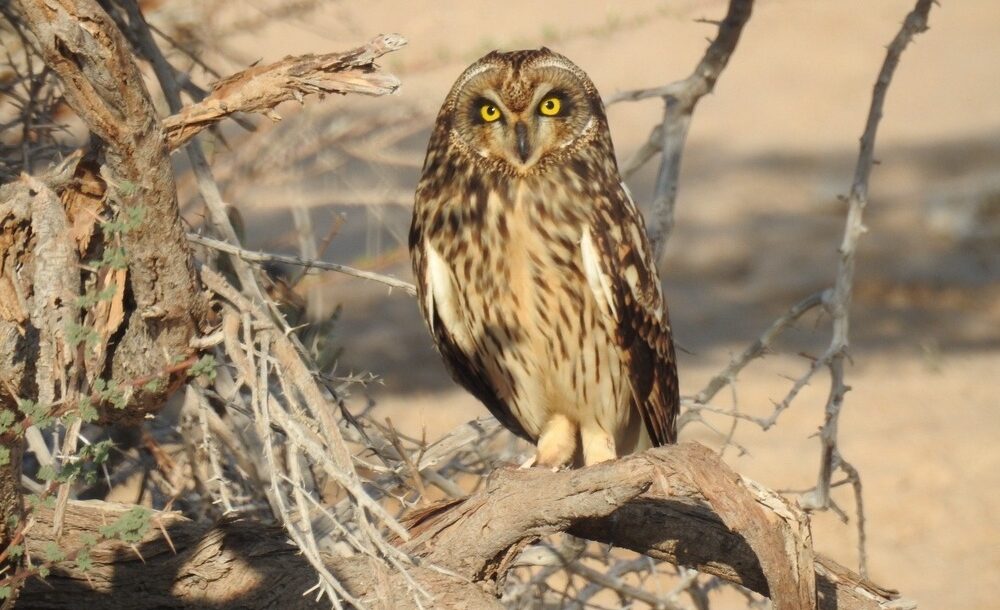

MUSCAT – The project aims to document owl populations and behaviours, monitor the challenges these species face – including threats to their survival – and enhance scientific understanding of their ecological significance and role in maintaining environmental balance.
Eng. Salem bin Saeed Al Maskari, Director of the Environment Department in Al Buraimi, stated that the survey focuses on identifying owl habitats and tracking their presence through various monitoring and documentation stages. He emphasized the importance of continuing these efforts to support long-term environmental conservation.
Read More
- Travel agency representative in Muscat jailed, agency shut for a year over cancelled trips
- Oman’s CDAA urges mountain safety after foreign national critically injured in Jabal Shams fall
- Oman’s media must adapt to AI while upholding accuracy, minister says
- Oman forecasts thunderstorms from October 25 as low-pressure trough approaches
- Oman, UK agree to deepen defence, investment and technology partnership
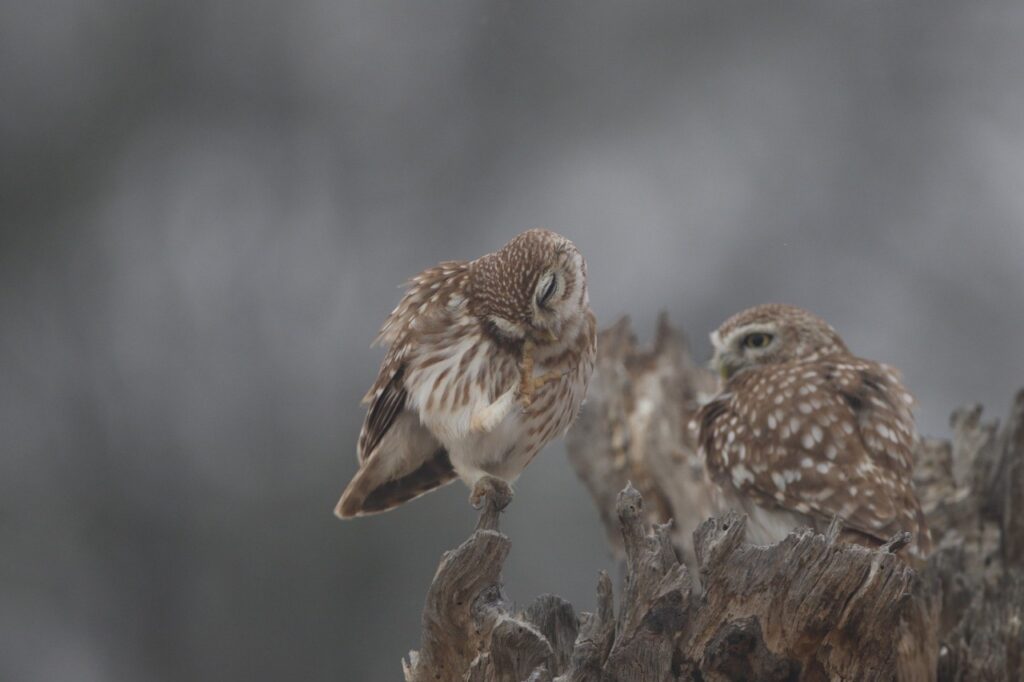
Mohammed bin Salem Al Balushi, a biodiversity specialist at the department, noted that owls play a crucial role in maintaining ecosystem health by regulating prey populations. He added that the survey has so far documented six owl species in Al Buraimi, including four resident species: Pharaoh Eagle-Owl, Barn Owl, Barred Owl, and Little Owl.
In addition, two migratory species have been observed: Short-eared Owl and the European Owl.
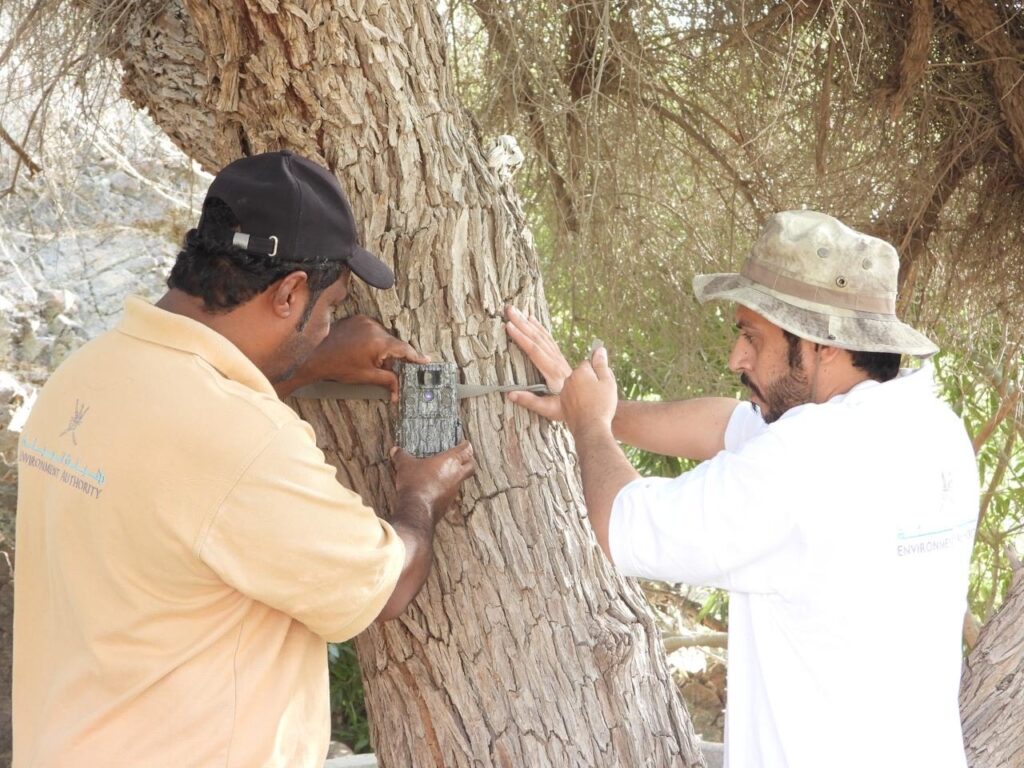
The survey spans diverse landscapes across the governorate, including nature reserves, mountainous and desert regions, valleys, and sand dunes, and uses modern electronic tools to collect data and track progress throughout the project’s phases.
The Environment Authority reaffirmed its commitment to preserving Oman’s natural resources and called on community members to actively support environmental protection efforts, ensuring a sustainable future for generations to come.





