
MUSCAT – The programme was launched in partnership with the Royal Academy of Management (RAM), the University of Technology and Applied Sciences (UTAS) and Omani Society for Human Resources Management (OSHRM).
‘Irtiqa’ programme seeks to groom a whole generation of leaders who are capable of spearheading transition and realizing innovation in the government work system. It also aims to achieve excellence in rendering services, improving the experience of users of digital platforms and meeting the goals of ‘knowledge economy’, based on the view that digital knowledge represents a new capital and a fundamental driver of sustainable economic growth.
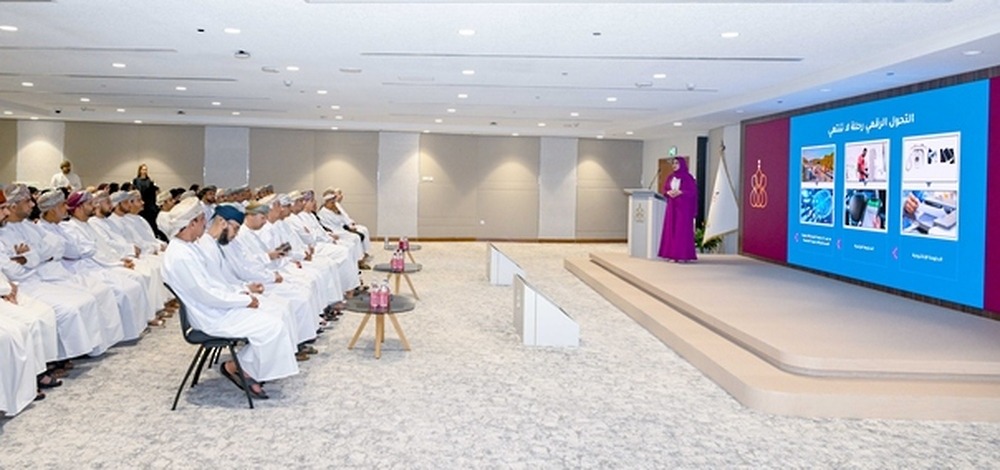
On the sidelines of the ceremony, a visual presentation featuring key pillars of government digital transition was held. The presentation highlighted the importance of building capacities and empowering them to achieve the requirements of government digital transition in the Sultanate of Oman. It also explored means of exchanging expertise in the sustainability of digital knowledge.
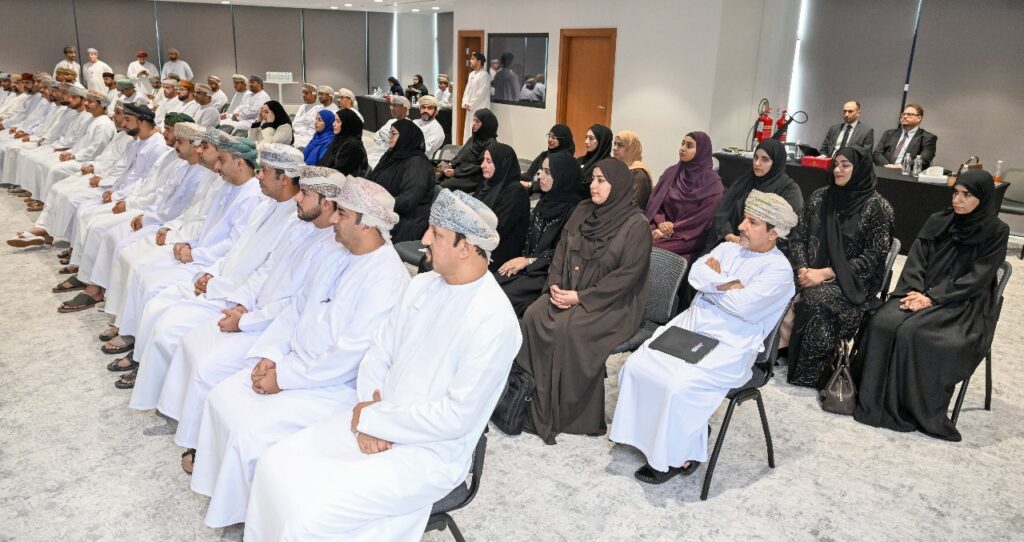
The ceremony also included a dialogue session that focused on the role of human beings in leading digital transition.
Read More
- Three expats arrested with crystal meth and marijuana in Oman’s Al Musannah
- Corporate table bookings open for HerStory Oman Summit & Awards 2026
- Oman prepares online food delivery rules after customers raise price concerns
- Ministry invites bids to establish LPG filling station in Oman’s Masirah
- Travel agency representative in Muscat jailed, agency shut for a year over cancelled trips
‘Irtiqa’ is in pursuance of earlier programmes on upgrading performance, including the National Programme for Government Digital Transition, codenamed ‘Tahawul’ that achieved an overall performance rate of 80 percent by the first half of 2025, compared to 73 percent in 2024.





