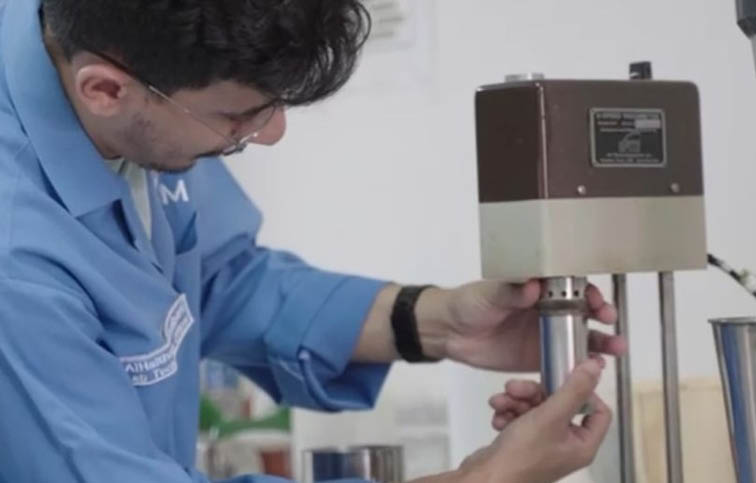

Muscat: Al Kalbani’s research focuses on developing technical converters using carbon nanotubes (CNTs) as a sustainable alternative to traditional silicon-based systems. By leveraging the unique quantum properties of CNTs, the project seeks to produce highly efficient devices with broad applications across technology, healthcare, energy, and environmental monitoring.
Targeted sectors include the electronics and IT industry, through advanced processors and chips; the healthcare sector, with medical nanosensors for early diagnosis; and the energy and environment sectors, where CNT-based sensors can help rationalize power use and detect pollutants.
Highlighting the advantages of CNTs, Al Kalbani noted their flexibility, smaller size, and adjustable conductive properties, which make them ideal for integration into wearable devices and flexible displays. Crucially, the innovation also reduces power consumption in electronic devices, helping lower carbon emissions while enhancing performance.
Read More
- India-Oman AYUSH Information Cell inaugurated at KIMS Health Hospital, Muscat
- Oman sets temporary 30-litre refuelling limit at stations near border crossings
- Oman warns of legal action over online posts offending countries, their leaders
- Oman’s higher education sector gains global attention, says top Ministry of Education official
- GCC tourism revenue rises 9.7% to $131.9 billion in 2025
He emphasized that the project not only supports Oman’s innovation landscape but also contributes to global research in atomic technology, offering solutions that merge sustainability with cutting-edge engineering.





