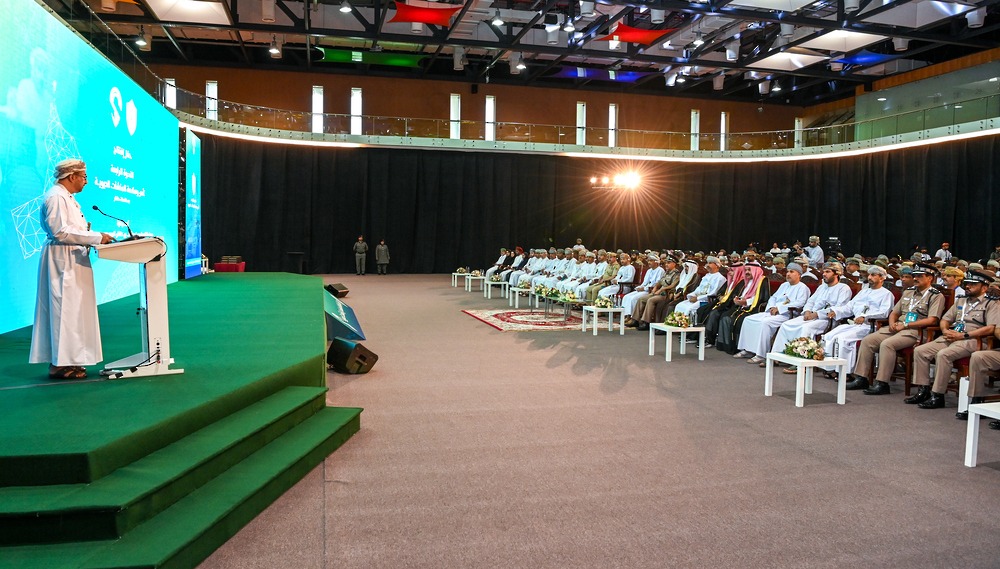

MUSCAT – The three-day symposium is organised by the Security and Safety Services Corporation.
The symposium seeks to highlight the multiple aspects of security and safety by offering comprehensive insights and innovative solutions to address various risks. It also aims to devise partnerships between security and safety organizations and specialists in the field of protecting vital infrastructure facilities, enhancing professional culture and establishing preventative measures for a safe work environment.
The symposium will deal with four main topics: Security measures for protecting facilities and industrial engineering; Occupational safety and health measures; Psychological factors and modern technologies in the field of artificial intelligence (AI), cybersecurity and information security; and Protecting lives and assets against common risks.
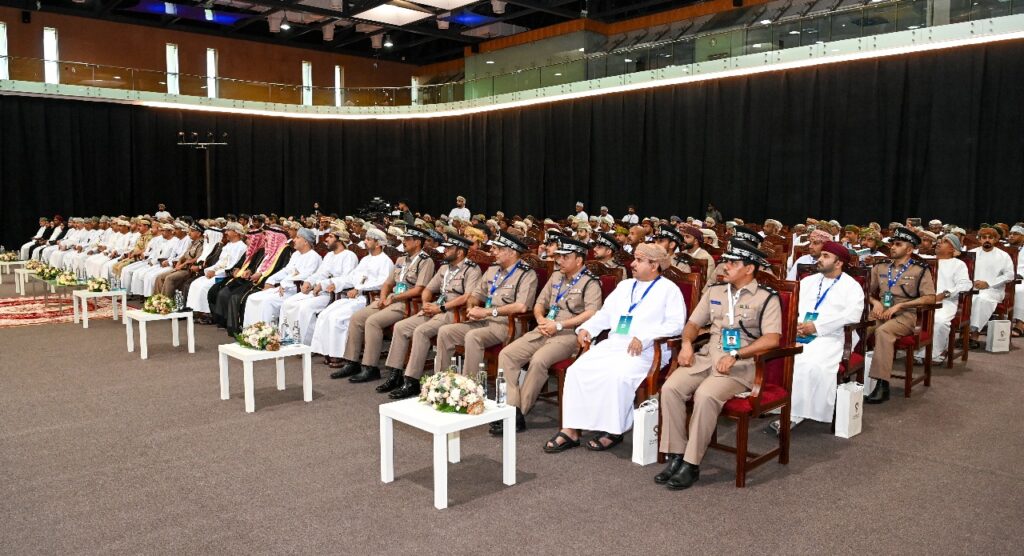
The first day of the symposium included working papers in which experts and specialists from the Sultanate of Oman abroad discussed a strategy for the security of vital facilities; the goals of development seen from an international perspective; the management of manpower; intelligent predictions of occupational accidents; and readiness and response to emergencies.
Read More
- Youth are the pillar of Oman’s development and future, says minister
- His Majesty Sultan Haitham issues decrees amending Council of Oman, Shura election laws
- Oman moves to ensure essential goods supply, price stability as CPA meets retailers
- 13 expats arrested for gambling in Muscat
- His Majesty Sultan Haitham expresses condolences to Jordan King over church attack
The symposium will focus on different topics, including the role of artificial intelligence in the security and safety of facilities; the challenges of mental health and safety in the workplace; health, safety, and the environment in oil and gas facilities; crisis management between proactive measures and flexibility of response; the best practices for ensuring the security of major facilities; and specific risks of cybersecurity posed to industrial systems.





