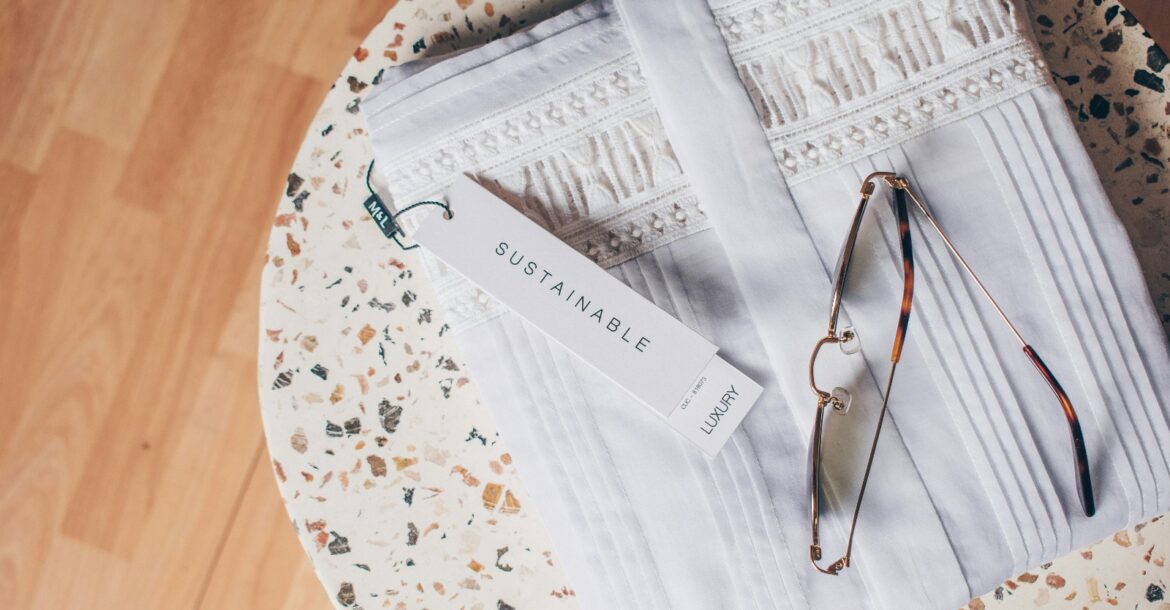

From recycling to using eco-friendly fabrics, the fashion industry has been adopting various sustainable methods, while still maintaining style and creativity.
What is Sustainable Fashion?
Sustainable fashion, in simple terms, refers to fashion that is made ethically and environment friendly. It includes design, production and consumption of clothing in a socially responsible manner. With ever-changing trends and rising consumer demand, the fashion industry faces challenges such as overproduction and overconsumption, both of which have a significant environmental impact. To address this, we need to bring about a change in our shopping habits.
Read More
- The St. Regis Al Mouj Muscat Resort welcomes the holiday season with curated festivities
- Walk your way to better health and happiness
- TAS Weekly – Beauty redrawn: From expression to expectation
- Mojawhraty by Malabar Gold & Diamonds debuts with 6 GCC showrooms highlighting Arabic jewellery allure
- How color affects mood: A guide to choosing the right paint

Sustainable Fashion Choices
Second hand fashion/Thrifting: Shopping second hand allows you to find unique pieces at affordable prices. Thrift stores often have items that are not available in mainstream malls, and buying second hand reduces environmental footprints. It’s a way of giving clothes a second life.
Use Sustainable fashion brands
Support brands that follow environmentally and socially responsible practices, such as:
- Using recycled materials and offering repair-and-return policies for defective items.
- Adopting organic fabrics such as cotton and linen, as well as natural dyes.
- Avoiding use of any animal products.
- Utilising innovations production techniques that reduce resource consumption and minimise waste.
Making clothes last longer
Circular Economy: The fashion industry aims to reduce waste and pollution by designing products for longevity, recyclability, and reuse – shifting away from the traditional linear ‘take-make-dispose’ model. This approach prioritises extending the life of clothing through repair, resale, and recycling.
Renting: Wedding dresses, jewellery, and performance costumes can all be rented. Additionally, rental services are also offering everyday clothes and occasion dresses, which significantly reduce waste. According to research estimates, renting one piece of clothing can save up to 24 percent water, 6 percent energy, and 3 percent CO2 emissions, when compared to buying a new item. Although there are few limitations to renting clothes used on a daily basis, it can be a step in the right direction.
Adapting new methods for sustainability can be challenging, but it’s a necessary shift for our planet’s future. Sustainable practices in the fashion industry benefit producers, workers, distributors, consumers, and society as a whole. As consumers, we hold the power to influence both the fashion industry and the environment. By choosing sustainable fashion, we can reduce our environmental footprint, support ethical and responsible practices, and help create a more sustainable future for our planet.





