

MUSCAT : This success reflects the rapid pace of implementation and the programme’s impact in enhancing prevention of retinopathy complications and protecting diabetic patients from the risk of vision loss.
Using artificial intelligence technologies, the programme has expanded its services to include 25 healthcare facilities across the Sultanate of Oman.
This expansion is part of national efforts to improve the quality of ophthalmology services. By employing modern technologies and artificial intelligence, the initiative is supporting early diagnosis and facilitating timely access to screening and treatment services.

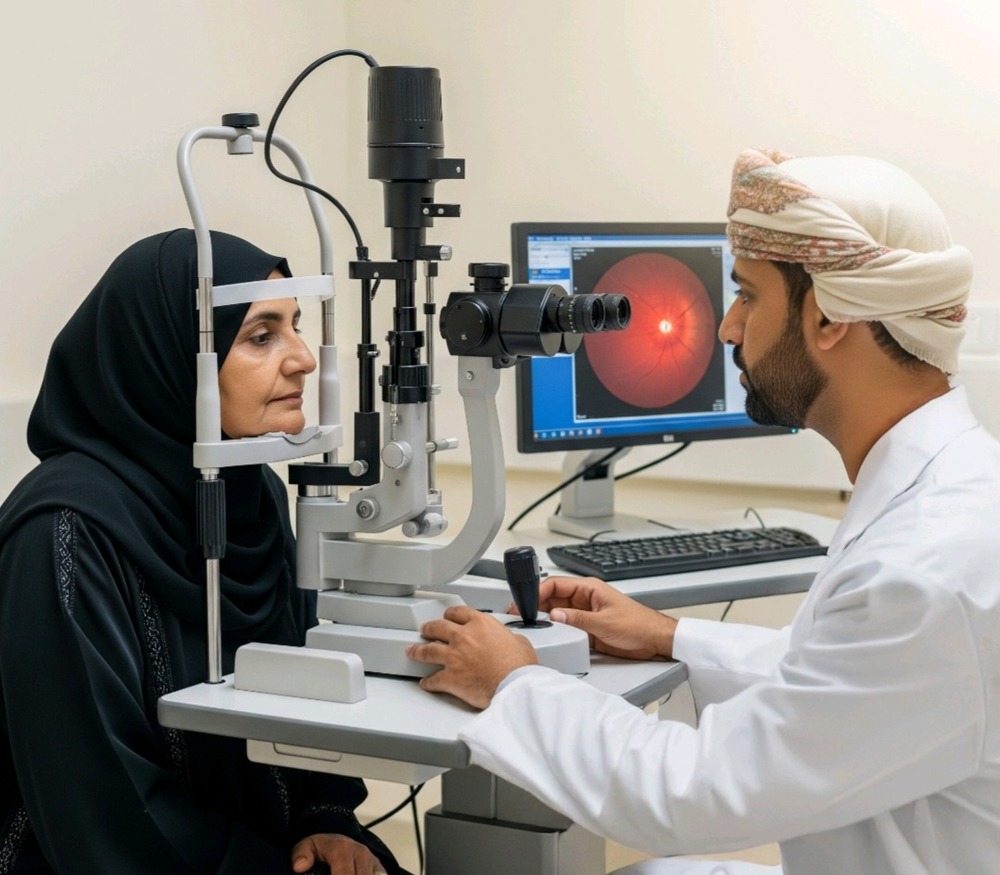
Dr. Majid bin Salem Al Shaibi, Consultant in Retinal Diseases and Intraocular Infections at Al Nahda Hospital and operational director of the national program for early detection of diabetic retinopathy using AI technologies, told Oman News Agency: “Since the implementation of the programme nationwide, we have been able to screen more than 10,000 patients in less than six months. A number of diabetic retinopathy cases were detected in the early stages, before the patient showed any clear symptoms.”
He added that preliminary data indicates that the percentage of detected cases exceeds 30 percent of the total number of cases tested, a feat that was not possible with the same effectiveness prior to the introduction of artificial intelligence technologies.
He explained that diabetic retinopathy is a silent disease in its early stages and is usually discovered after serious complications have occurred. Early diagnosis allows for rapid therapeutic intervention, whether through close monitoring, laser treatment, or intraocular injections. This significantly reduces the likelihood of the disease progressing to advanced stages that could lead to permanent vision loss. This early intervention is also in line with global recommendations for reducing blindness resulting from diabetic complications.
Regarding the mechanism for transferring patients diagnosed with the disease to specialised treatment centres, he stated that the program has been electronically linked to the National Health Records System (Shifa System). This ensures that patients who are diagnosed with the degree of disease requiring evaluation or treatment are transferred directly to specialised eye clinics in referral hospitals. Priority is determined based on the severity of the condition, to ensure that patients most in need of treatment reach them as quickly as possible.
He pointed out that the programme uses globally recognised AI fundus image analysis systems capable of detecting diabetic retinopathy of various degrees. The technology operates using advanced algorithms based on deep learning for automated image classification, providing results within seconds of capturing the image.
For all the latest news from Oman and GCC, follow us on Twitter, Instagram and LinkedIn, like us on Facebook and subscribe to our YouTube page, which is updated daily.
Read More
- Honourable Lady praises Omani women’s role, welcomes additional Shura Council seats
- Oman, 18 other countries condemn Colombia’s Jerusalem embassy opening
- Oman’s agriculture and fisheries output rises 3.3% to RO 623.5 million in first half
- Oman warns of hazardous floating containers after ship sinks off Musandam
- Indian Navy’s INS Sudarshini docks in Salalah on final overseas stop of transoceanic voyage





