

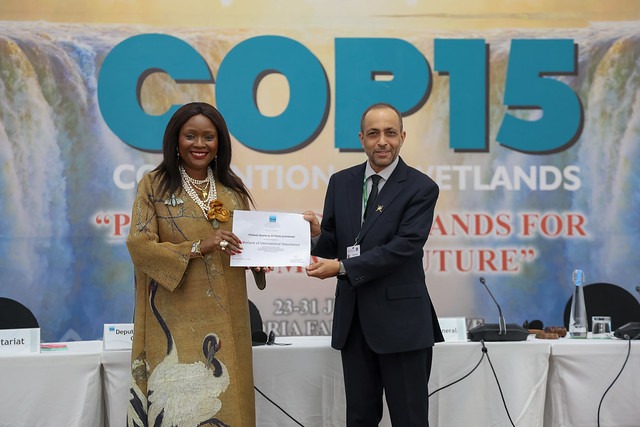
MUSCAT – This marks Oman’s third entry into the Ramsar list, following the Qurum Nature Reserve (2013) and Al Ansab Lakes (2020).
The announcement was made on the sidelines of the 15th meeting of the Conference of the Contracting Parties to the Ramsar Convention on Wetlands (COP15), currently underway in Zimbabwe under the theme ‘Protecting Wetlands for Our Common Future’. The conference runs through July 31.
Read More
- Oman’s CPA seizes 800kg of smokeless tobacco, arrests suspect
- Game changer: Oman unveils AI zone to attract global giants
- Oman signs deal to localise advanced mining laboratory services
- Oman police urge pedestrians to follow safety rules to reduce road accidents
- Oman’s Environment Authority probes sewage dumping violation in South Sharqiyah
This official international recognition represents the culmination of the Sultanate of Oman’s efforts to conserve biodiversity and its commitment to implementing international environmental standards to protect fragile ecosystems. It also highlights the reserve’s status as one of the most important environmental sites on both the regional and global levels.
The Al Wusta Governorate Wetland Reserve is distinguished by the presence of rare ecosystems such as mangrove forests (the largest unspoiled area in the Sultanate of Oman, with an area of 162 hectares), sabkhas, coral reefs, and seagrasses, in addition to nesting habitats for endangered sea turtles such as the olive and green turtles.
The Ramsar-designated site covers approximately 81 percent of the total area of the Al Wusta Governorate Wetland Reserve, which amounts to 714,213 hectares, creating a unique ecosystem that combines sensitive natural habitats and rare species.
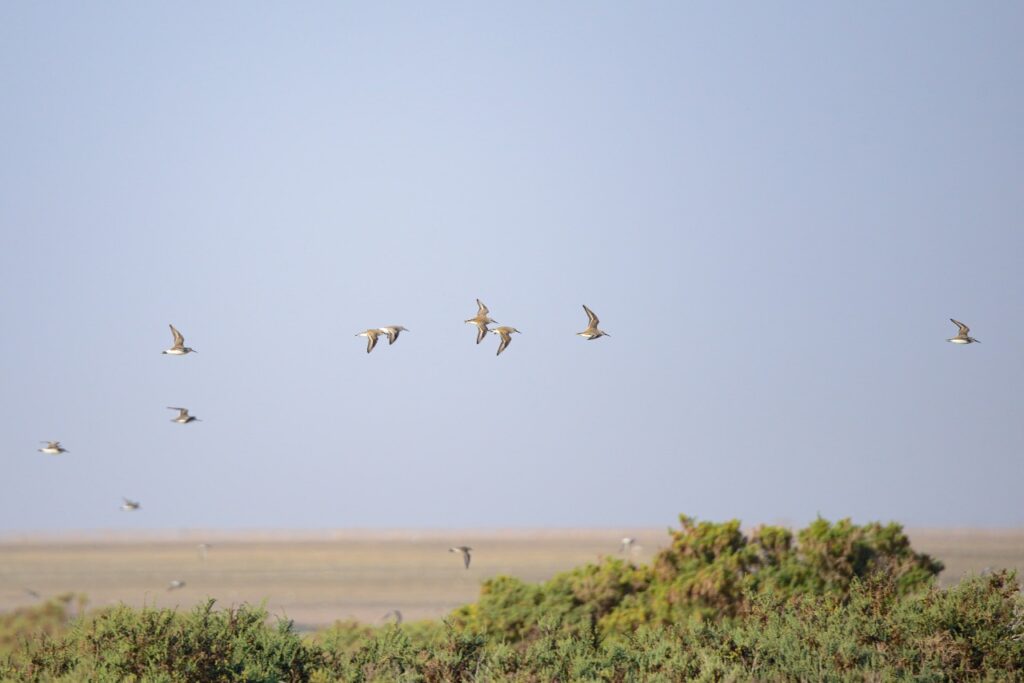
The reserve is considered the best site in the Middle East for hosting birds during the winter, receiving more than half a million waterbirds annually, including 23 species representing more than 1 percent of the total number of migratory birds between Asia and East Africa, such as flamingos, plovers, and gulls. The reserve also includes rare and endangered marine species such as the Arabian humpback whale and dolphins, and supports 80 species of globally important organisms.
The reserve meets all nine Ramsar Convention criteria, most notably: containing rare ecosystems (such as silt and salt flats), supporting endangered species (such as whales and turtles), and being a major source of food and breeding for fish.
The reserve is an ecotourism destination that attracts birdwatchers and wildlife enthusiasts, promoting sustainable tourism. It also supports the national economy through environmentally friendly investment projects that adhere to international standards to ensure resource sustainability.
The reserve began its role as a centre for waterfowl studies in the 1980s, and the Environment Agency officially declared it a Ramsar site in November 2023.
It is worth noting that the Ramsar Convention is an international framework for the protection of wetlands, and the Sultanate of Oman joined it under Royal Decree No. 64/2012, reflecting its commitment to preserving biodiversity in accordance with international best practices.





