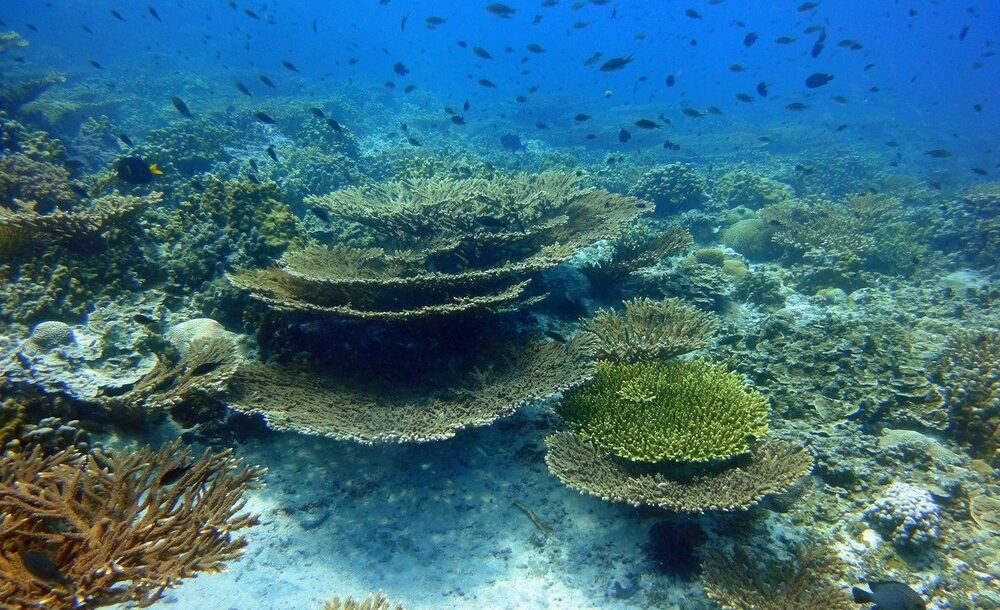

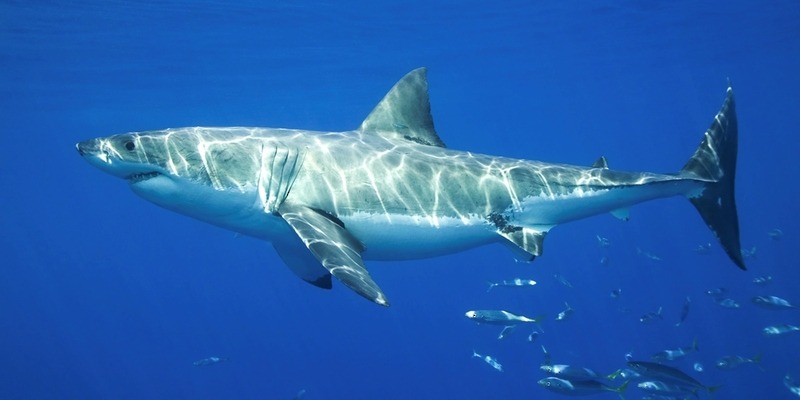
MUSCAT – With a coastline stretching over 3,165 kilometres, Oman is home to diverse marine ecosystems, including coral reefs, endangered sea turtles, whales, dolphins, and numerous fish and seabird species. Recognising the ecological and economic value of its marine resources, Oman has prioritised marine conservation as a central pillar of its environmental policy, aligned with Oman Vision 2040 and the national environment strategy.
The Environment Authority, tasked with overseeing marine protection, has implemented a range of strategic initiatives. One of the most notable is the “Artificial Coral Reefs” project, which aims to rehabilitate damaged reef areas, enhance marine biodiversity, support sustainable fisheries, and protect coastal zones.
Read More
- Sayyid Bilarab opens Muscat Art 2026 with more than 300 artists
- Indian Ambassador visits seafarers injured in vessel attack at Muscat hospital
- Oman, Pakistan foreign ministers discuss regional security
- Oman sets October 31 deadline for municipal council voter registration
- Oman businesses must obtain licence before advertising discounts, ministry warns
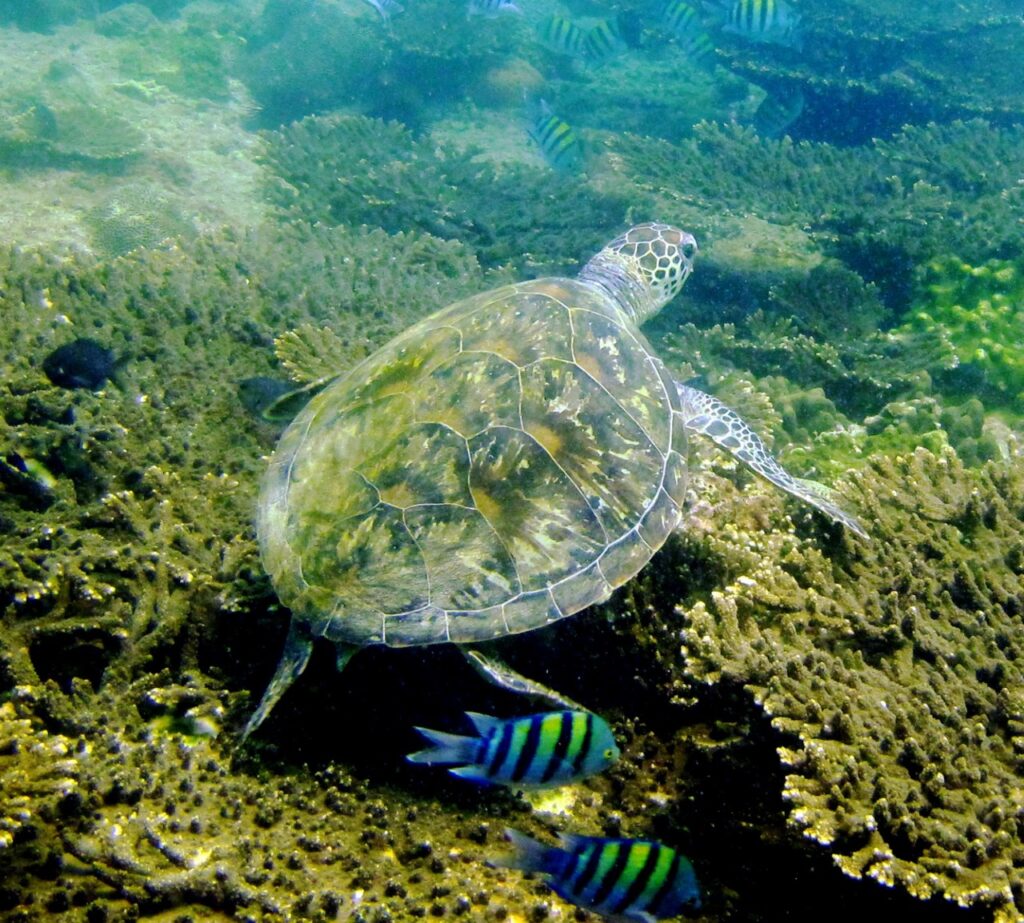

Engineer Ahmed bin Saeed Al Shikaili, Director of the Marine Environment Conservation Department at the Environment Authority, highlighted the significance of these efforts in a statement to the Oman News Agency. He noted the establishment of several marine reserves such as the Daymaniyat Islands, Turtle Reserve, and Khor Reserves in Dhofar Governorate, which serve as sanctuaries for rare and endangered marine species.
He pointed out that the Sultanate of Oman attaches great importance to international cooperation in the field of marine environment protection, as evidenced by its participation in a number of global environmental agreements and programs, including the Convention on Biological Diversity, which aims to preserve biodiversity and ensure its sustainable use.
As part of its commitment to international agreements, Oman is submitting national reports to regional and international agreements such as the Convention on International Trade in Endangered Species of Wild Fauna and Flora (CITES), the Ramsar Convention on Wetlands, and the Memorandum of Understanding for the Conservation of Sea Turtles in the Indian Ocean, in addition to strengthening control over illegal trade in wildlife.
Oman has also bolstered its efforts to raise community awareness and enhance participation through awareness campaigns and workshops aimed at educating citizens and residents about the importance of preserving the marine environment. This is aimed at enhancing environmental awareness among members of society, especially the younger generations, and encouraging them to contribute effectively to conservation efforts.
Al Shikaili explained that the Environment Authority’s national efforts to protect the marine environment and conserve biodiversity in the Sultanate of Oman’s seas are represented by protecting endangered marine organisms through the implementation of environmental laws and legislation, most notably the Environmental Protection and Pollution Control Law and the Natural Reserves and Wildlife Conservation Law, under which beaches, marine life, and sensitive ecosystems such as coral reefs and mangrove trees are protected.
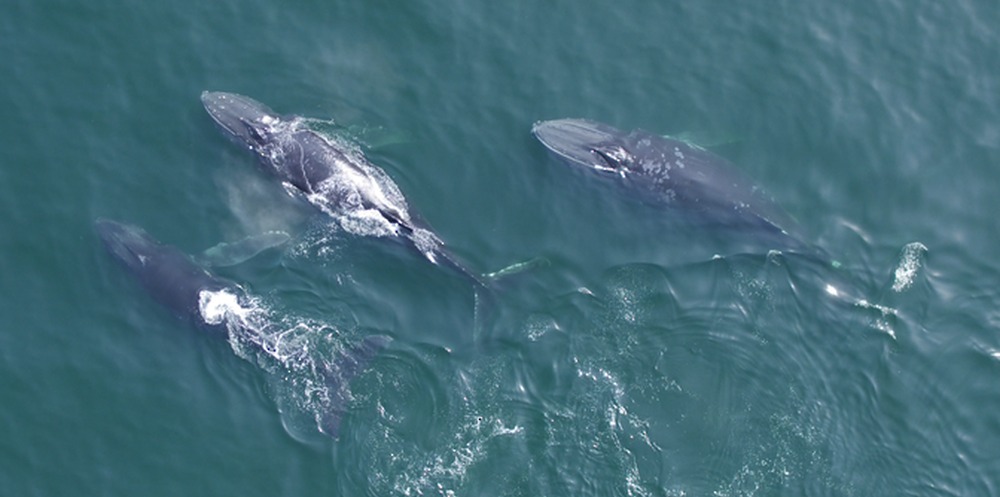
He stated that the Authority is using modern technologies to monitor marine organisms, particularly whales and sea turtles, by attaching tracking devices to these creatures to study their behaviour, feeding areas, and migration routes. This year, the Authority is implementing the final phase of a whale and dolphin survey project in Musandam Governorate to prepare a national management plan to protect marine mammals.
Dr. Amer bin Nasser Al-Muta’ani, President of the Environment Society of Oman (ESO), underscored the value of collaboration between civil society and government. Since its founding in 2004, ESO has partnered closely with the Environment Authority on marine-focused projects, including studies on whales, dolphins, sea turtles, coral reefs, and environmental awareness surrounding the Daymaniyat Islands.
ESO also leads extensive educational outreach, with programs for schools, universities, fishermen, women’s associations, and coastal communities. These initiatives aim to foster a culture of conservation and empower citizens to take an active role in protecting the marine environment.
Despite ongoing efforts, Oman’s marine environment faces multiple threats, both natural and human-induced — including climate change, hurricanes, plastic and oil pollution, overfishing, noise pollution, and irresponsible tourism.
To address these challenges, Oman continues to strengthen legal enforcement through frameworks like the Environmental Protection and Pollution Control Law and the Natural Reserves and Wildlife Conservation Law. These laws regulate waste disposal, protect marine life, and safeguard critical ecosystems such as coral reefs and mangrove forests.





