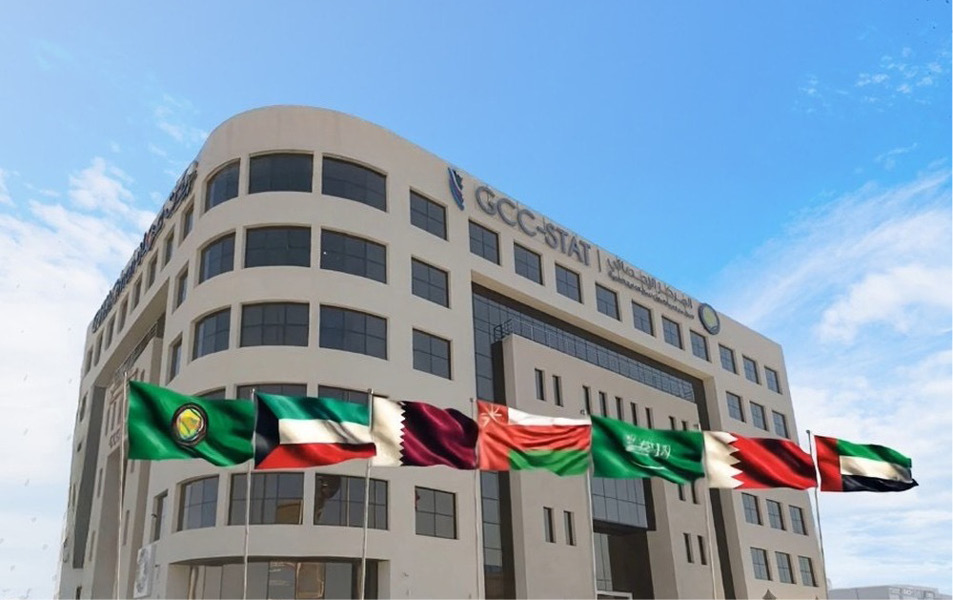

Muscat: In a report released on the occasion of World Population Day (July 11), the Gulf Statistical Center revealed that the GCC population has rebounded sharply since the COVID-19 pandemic, growing by around 7.6 million people — or 14.2% — since 2021. The data underscores a marked return to growth following the demographic slowdown witnessed in some member states during the global health crisis.
Compared to 2023, the region is projected to welcome an additional 2.1 million people by the end of 2024, bringing the total population to 61.2 million. The statistics highlight the GCC’s resilience and its appeal as a hub for economic opportunity and migration.
The demographic breakdown shows a pronounced gender imbalance in the region. Males account for approximately 38.5 million people, or 62.8% of the total population, while females make up about 22.7 million, or 37.2%. This results in a gender ratio of 169 males for every 100 females — starkly higher than the global average of 101 males per 100 females.
Read More
- Kuwait intercepts drones as IRGC claims strike on US base
- Hamas accepts US-backed roadmap to disarm and exit Gaza governance
- Germany records nearly 10,000 heat-related deaths this year
- US military completes two-hour strikes on dozens of IRGC targets in Iran
- Russia charges Telegram founder Pavel Durov with ‘facilitating terrorism’, issues international arrest warrant
Despite the growth, the GCC still represents a modest share of the global population, comprising just 0.7% of the world’s total.





