
Muscat: According to Al Mukhtar bin Saif Al Saidi, member of the Oman Society for Astronomy and Space, astronomical calculations indicate that the summer solstice will occur at 6:42 am Oman time. On this day, the sun’s rays will be directly over the Tropic of Cancer, signalling the start of summer in the Northern Hemisphere, which will last approximately 93 days, 15 hours, and 37 minutes.
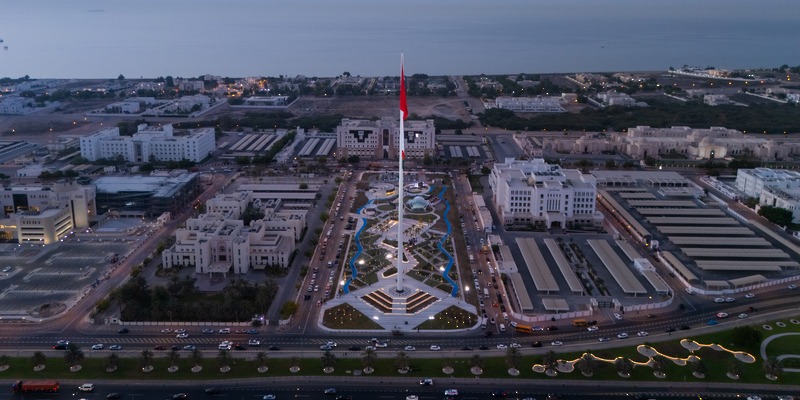
In Muscat Governorate, the sun will rise at 5:21 am, reach its zenith at 12:09 pm, and set at 6:57 pm, resulting in a day length of 13 hours, 35 minutes, and 35 seconds—making it the longest day of the year and the shortest night in most regions of the northern hemisphere, which includes Europe, Asia, North America, and the Arctic.
Read More
- SalamAir resumes direct Muscat–Beirut flights
- His Majesty Sultan Haitham issues Royal Decrees on national symbols, facility protection and multinational tax
- Oman opens Muscat Airport office to protect arriving workers from exploitation and trafficking
- Misleading health ads in Oman could draw RO 1,000 fines, licence suspension or cancellation
- Muscat Expressway works to begin by November; changes to office hours under study
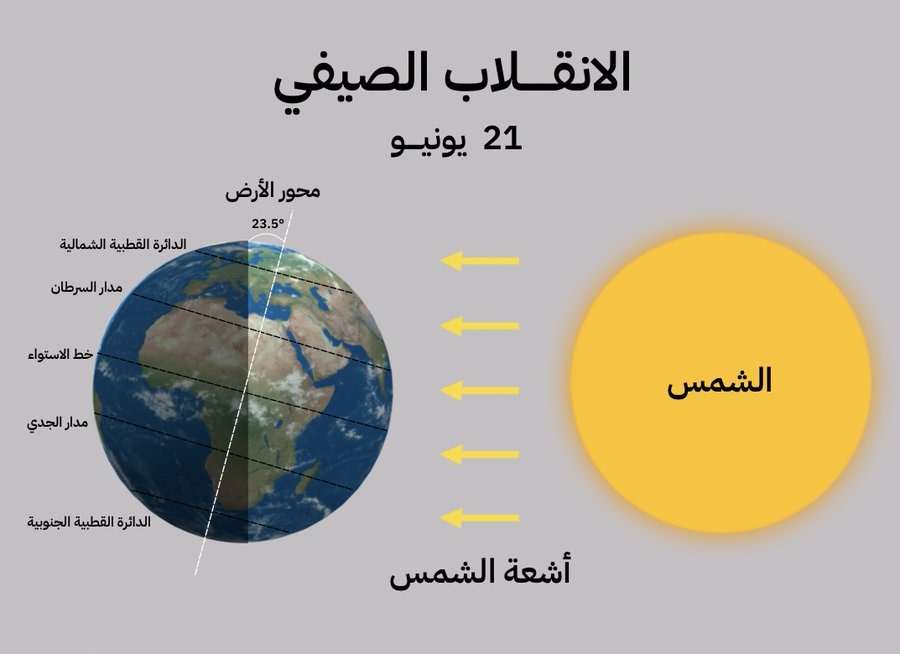
He pointed out that the summer solstice marks the beginning of astronomical summer in the Northern Hemisphere and winter in the Southern Hemisphere. He explained that the Earth’s axial tilt of 23.5 degrees is what causes the solstices and equinoxes as the planet orbits the sun. However, he clarified that these astronomical events do not necessarily mean a direct correlation or change in temperature, as temperatures on the Earth’s surface are affected by climatic and atmospheric factors such as air currents, heat waves, and wind movements. These are all considered changes related to the weather, not to astronomical seasons.
The event also signals the start of the Khareef season in Dhofar, characterized by monsoon winds and dense cloud cover moving in from the Arabian Sea and Indian Ocean, impacting the coastal wilayats from Dhalkut in the west to Mirbat in the east.
On the solstice, certain Omani regions located along the Tropic of Cancer—such as Al Amerat, Fanja, Wadi Al Maawil, Rustaq, and Ibri—will experience no shadow at noon, due to the sun being directly overhead. Additionally, the sun will rise from its farthest northeastern point and set at the farthest point in the northwest, after which daylight hours will gradually begin to shorten, leading toward the autumnal equinox on September 22.





