
History repeats itself, first as tragedy, second as farce,’ said Karl Marx in 1852. That saying has been passed down like an heirloom – whispered in classrooms, debated on news panels, and scrawled on napkins in late-night bars.
But is it just poetic, or does it actually happen?
Look around. The past is stitched into our present from the clothes we wear to the movements we join.
Read More
- What Shakespeare knew about economics before economists did
- Respect is earned, not expected: Rethinking the teacher-student relationship
- Never underestimate a woman who enjoys her own company
- Rethinking schooling in the age of Artificial Intelligence
- Reeling from endless social media content? Pause the doomscroll, rewind to screen-free time
Fashion: A Never-Ending Circle
Walk down on any shopping street or scroll through your Instagram feed, and you’ll notice fashion looping back.
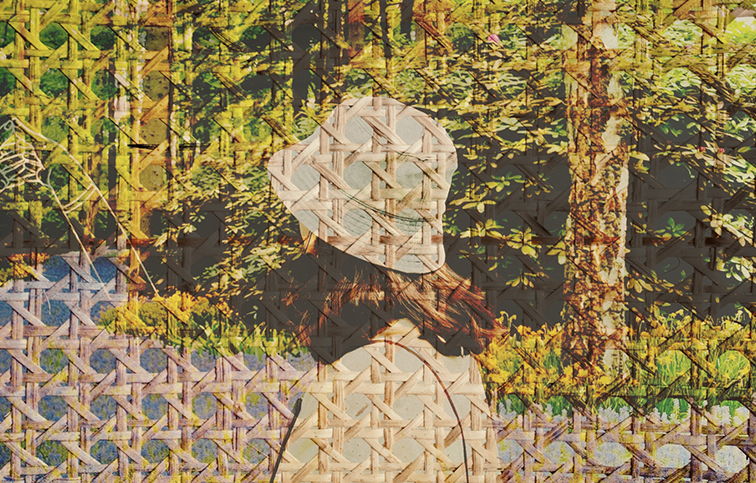
Take bucket hats. First used in the early 1900s for sun and rain, then by soldiers in WWII, they disappeared for decades only to return around 2010 as a trendy staple, reimagined by influencers and designers.
Or consider a handbag I once saw in a small store. Its pattern mirrored the rattan furniture from my childhood home in India, woven, tropical, and oh-so-1970s. Rattan faded from popularity but is now back, not in chairs, but accessories. That’s fashion: recycling old ideas with new meaning.
Design: Past Meets Present
It’s not just what we wear, it’s where we live. Earthy tones, round-edged furniture, and houseplants of the 1970s have returned, offering warmth and nostalgia.
In graphic design, vintage fonts and grainy textures are back too. But designers blend the retro with the modern, creating visuals that feel familiar and fresh, especially comforting when the future feels uncertain.
Politics: Familiar Struggles We Face
Globally, politics feels like déjà vu. Nationalism is rising. Tensions between powers like the US, China, and Russia echo the Cold War. The methods may differ, but the ideological conflict remains.
In civil rights, the pattern is clearer. The 1950s–60s Civil Rights Movement, with leaders like Martin Luther King Jr., called for justice through peaceful protest.
Today, the Black Lives Matter movement does the same, fighting racial injustice using marches, advocacy, and social media. Different era, same goal.
Technology: New Faces, Old Fears
Even tech isn’t exempt. Virtual reality was explored in the 1980s, failed, and returned decades later with better tech.
Now we talk about the “metaverse.” AI followed a similar arc, hot in the 1950s, again in the ’80s, and now powering today’s biggest tech revolution.
Each wave brings the same hopes and fears, job loss, smarter machines, promises of transformation.
In our Conversations: Echoes We Speak
History repeats not just in actions, but in words. Everyday conversations often revive old ideas, phrases like “power to the people” or “the personal is political” still appear, decades after they first gained traction.
Even on social media, debates around justice, freedom, and identity often echo those of the past. The way we speak reflects the struggles and hopes we have inherited, proving that history lives on in the stories we tell and retell.
Why Do We Repeat?
Partly, it’s psychological. In times of uncertainty, we seek familiarity. Nostalgia offers comfort.
But it’s also practical. When problems like inequality or climate change go unresolved, they come back. The names and hashtags change, but the issues remain.
Repetition isn’t always bad; it can be a second chance. When the past returns, we can choose to do better. It’s not just history repeating – it’s history offering a rewrite.





