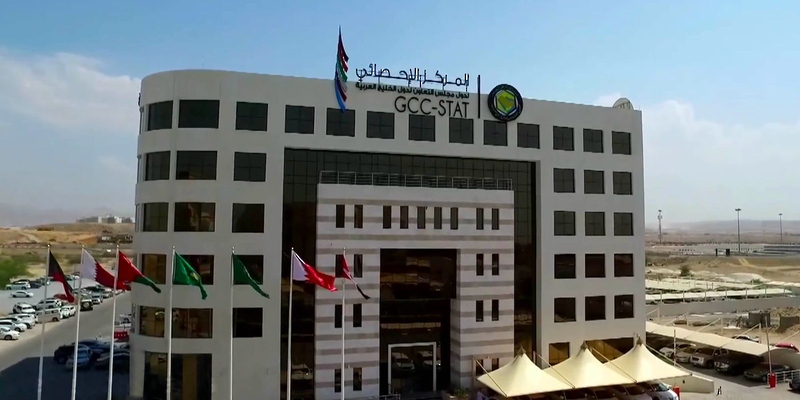

Muscat: The GCC nations achieved an average score of 41.5 on the 2024 Circular Carbon Economy Index, well above the global benchmark. The CCEI is a comprehensive tool that tracks the progress of 125 countries toward net-zero emissions by evaluating their use of circular carbon strategies—including mitigation technologies, recycling, and enabling infrastructure.
A key highlight of the report is the dramatic rise in the contribution of GCC countries to the global renewable energy landscape. The design capacity of renewable energy plants in the region now represents 0.43 percent of the world’s total in 2024, a substantial increase from just 0.03 percent in 2015.
In the realm of carbon capture and storage (CCS), the GCC has three active commercial facilities with a combined capacity of 3.8 million tons of CO₂ annually. Looking ahead, projections estimate that the region’s carbon capture and storage capabilities could reach 65 million tons per year by 2035.
Read More
- Trump says he is ‘losing faith’ in Iran as nuclear talks continue
- Heavy rain batters India’s Kerala, killing at least four
- Keralam: Pathanamthitta gets 300 mm+ rainfall in 2 hours, administration on alert
- Macron thanks Australia, Lithuania for aid in combating wildfire in France
- Kuwait intercepts drones as IRGC claims strike on US base
Experts highlight that such initiatives are pivotal in limiting global temperature rise to 2°C and meeting net-zero targets by 2050, with carbon capture, storage, and utilization playing a central role in the region’s energy transition.





