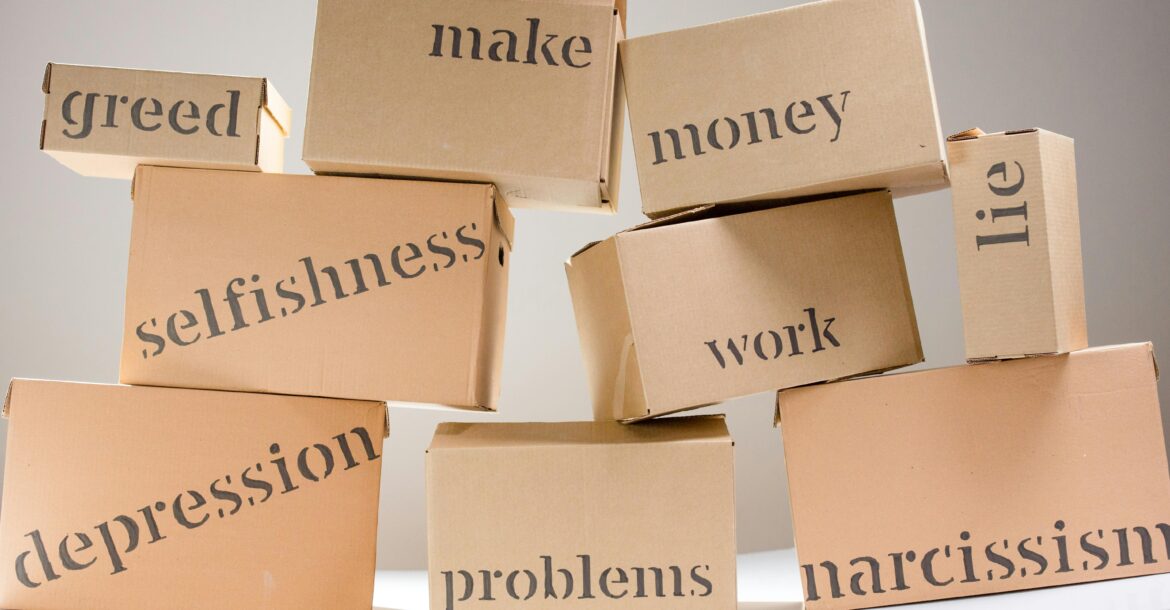

We live in a world where selfies, likes, followers and personal brands dominate daily life.
From influencers sharing carefully, displaying their lives online to people obsessively, and checking how many people viewed their stories, modern culture seems increasingly self-focused. Narcissism was once reserved for clinical discussions, and ancient myths have become part of our everyday language. But, how did we get there, and why does this way of living feel so normal now?
To understand our current relationship with narcissism, it helps to look at both where we came from and the pressures shaping us today.
From Old Story to the Modern World
The idea of narcissism comes from a Greek myth about a young man named Narcissus. He saw his reflection in a pool of water, fell in love with it and couldn’t stop looking at himself. In the end, he got wasted away. The story was meant as a warning against being too focused on yourself. In the past, people mostly lived in close-knit communities. Your identity came from your family, your tribe and your role in the community. What mattered most was how you helped others and your place in the group. There wasn’t much reason to stand out or promote yourself.
Of course, people still had pride and ego. But life was slower and more grounded. Your neighbours knew who you were, and being known as a good person mattered.
Read More
- What Shakespeare knew about economics before economists did
- Respect is earned, not expected: Rethinking the teacher-student relationship
- Never underestimate a woman who enjoys her own company
- Rethinking schooling in the age of Artificial Intelligence
- Reeling from endless social media content? Pause the doomscroll, rewind to screen-free time
Now, life is very different. We live in a fast-paced world of technology, advertising, and social media. Everywhere we turn, we’re told to “be unique,” “stand out,” and “build our brand.” Today’s world doesn’t just allow narcissism; it often encourages it.
Navigating Change: Between Tradition and the Digital World
To understand how narcissism manifests today, let’s consider cultures like Oman where strong traditional values like family honour, community ties, and respect for tradition and religion have long been emphasised. In such societies, an individual’s place is often well-defined, and public behaviour is shaped by the community’s expectations.
In this world, showing off or putting oneself above others isn’t just seen as wrong as it doesn’t fit with the prevailing cultural ethos. Here, one is expected to act in ways that maintains peace and respect in the community.
However, many societies, as in Oman, have undergone rapid modernisation, without shifting allegiance to peace and respect. Modernisation has led to the growth of cities, and advancements in education and technology, which, in turn, have led to increased access to the internet and social media platforms for younger generations.
Consequently, young people today are growing up in a mix between two worlds. On one hand, they’re expected to respect tradition. On the other hand, they’re encouraged to express themselves online, build a personal image and even try to become famous. This can be confusing for them.
For example: A young woman might want to post fashion photos, but also feel pressure to stay moderate. A young man might want to act confident online, but feel unsure inside. These mixed feelings can create stress and lead people to act in ways that aren’t truly them.
The Impact of Social Media
Social media doesn’t just change how people act; it changes how people see themselves. Traditional social spaces, like Majlis in Oman, created avenues for direct, meaningful interactions Now, many people spend more time connecting online, where popularity matters more than honesty or kindness.
In modern urban settings, social cafés or digital spaces may now function as informal meeting points. While these can foster creativity and openness, they may also, inadvertently, emphasise aesthetics and online validation over deeper engagement. This shift reflects how appearances and popularity are becoming more important than authenticity and connection.
As a result, the way people see themselves and relate to others is also changing. On social media, likes, views, and comments have become a way to measure your worth, and even though people seem confident online, many are feeling unsure inside. The loud, boastful kind of narcissism isn’t as prevalent as the quiet, self-centred kind, which comes up from the need for attention to feel comfortable.
In Oman, where community values are still strong, this kind of fragile self-image might not be obvious.
Then and Now: What’s changed
In the past, one’s identity was simple and clear. They belonged to a family, a place and a way of life. There wasn’t much freedom, but there was a strong sense of belonging. Today, young people are told “they can be anyone and can do anything”. That sounds exciting, but it also means you have to constantly prove yourself. You must build your identity, keep it up and never let it slip. If something goes wrong, you can’t blame the community, it feels like it’s all on you.
This creates the perfect conditions for narcissism, not because they’re bad but because they’re trying to survive in a world that demands constant performance and perfection to survive in the world.
Despite the fast pace of change, Oman continues to value its cultural roots. Youth-focused development initiatives, digital transformation and economic diversification reflect the country’s commitment to balanced progress. While these reforms have opened new opportunities, especially in education, entrepreneurship and digital spaces, they have also increased the pressure on young folks to succeed, stand out and be constantly visible. In this environment, many feel pushed to create idealised versions themselves online.
This subtle form of narcissism is not about arrogance, but about growing the need to be noticed and proven in a rapidly changing society.
Finding Balance: Keeping What Matters?
So, what’s the answer? Oman, like many societies, is standing between two worlds, one rooted in community, the other in global trends and digital life.
If we want to move past shallow self-promotion, we need to bring back spaces that support real connection. Whether it is in schools, homes or online, we need to teach people that their worth doesn’t come from likes or followers. It comes from being real, being kind and being connected.
Wanting to feel good about oneself isn’t wrong. Everyone needs confidence. But when that need turns into be constant search for attention, it often hides deeper problems, like fear of not being good enough.
In the end, I would like to say is what we want isn’t more admiration. It’s the connection. It’s love. It’s being understood. First, it is to understand yourself, then it is to be understood by others.





